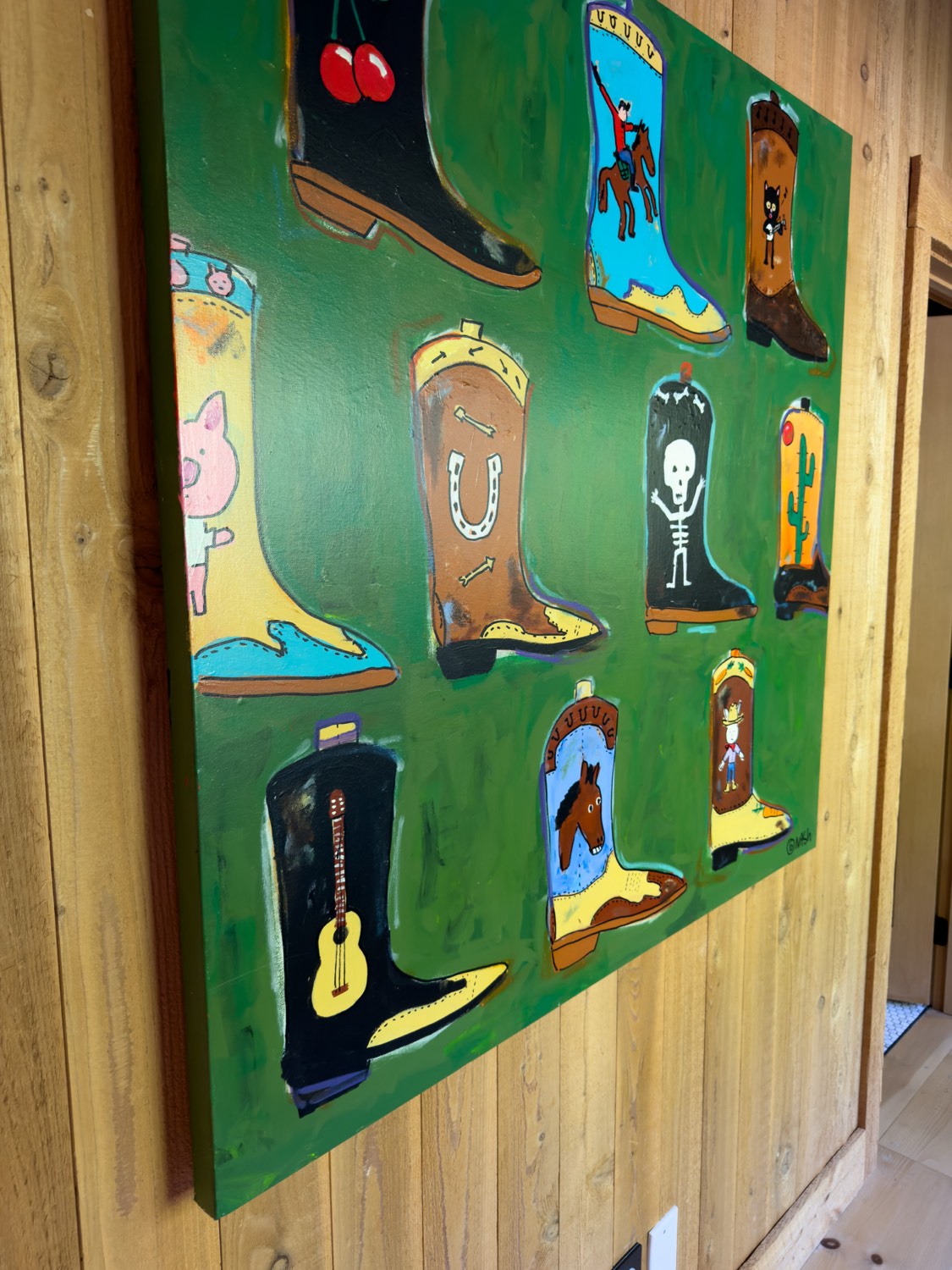
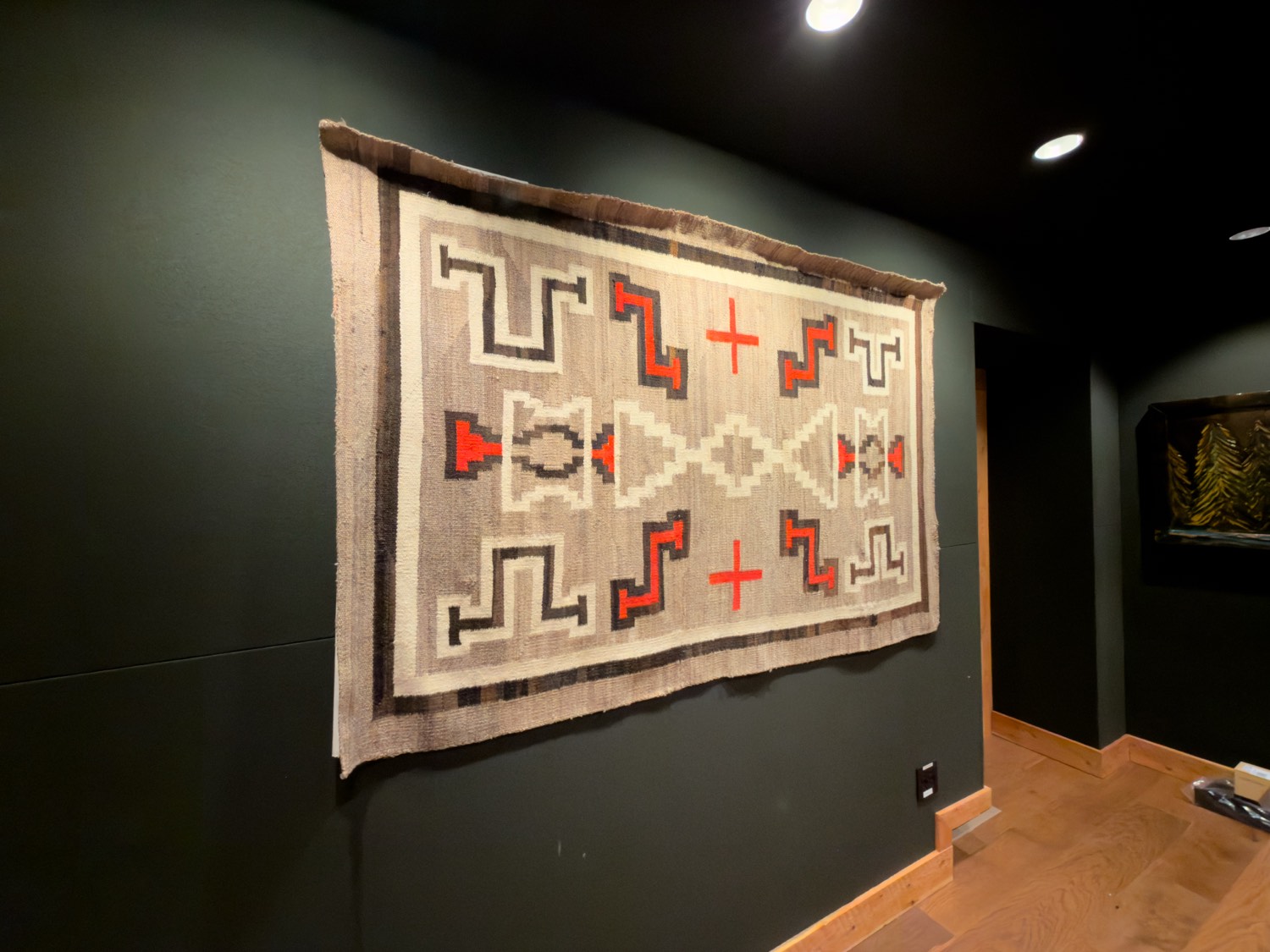
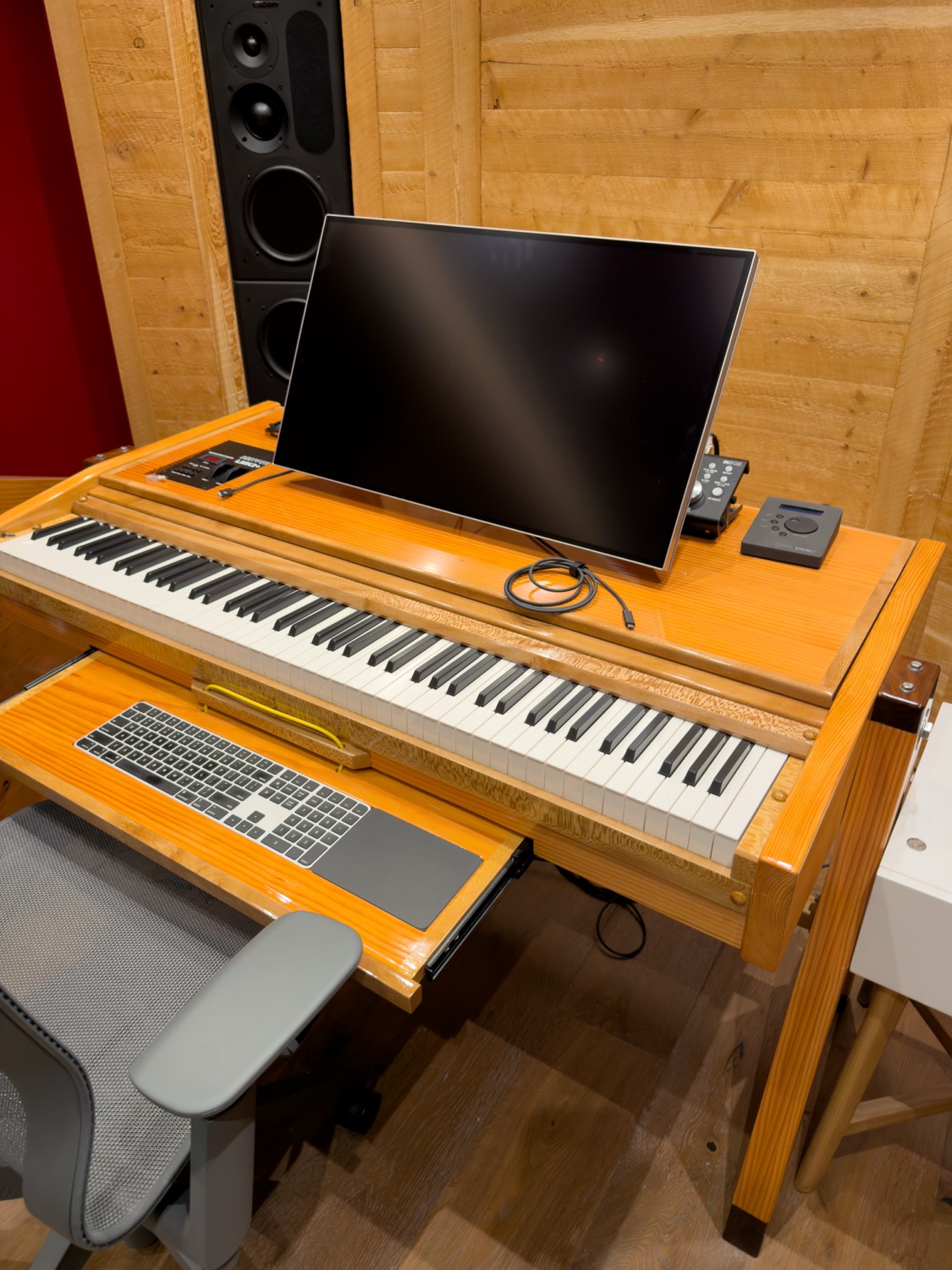
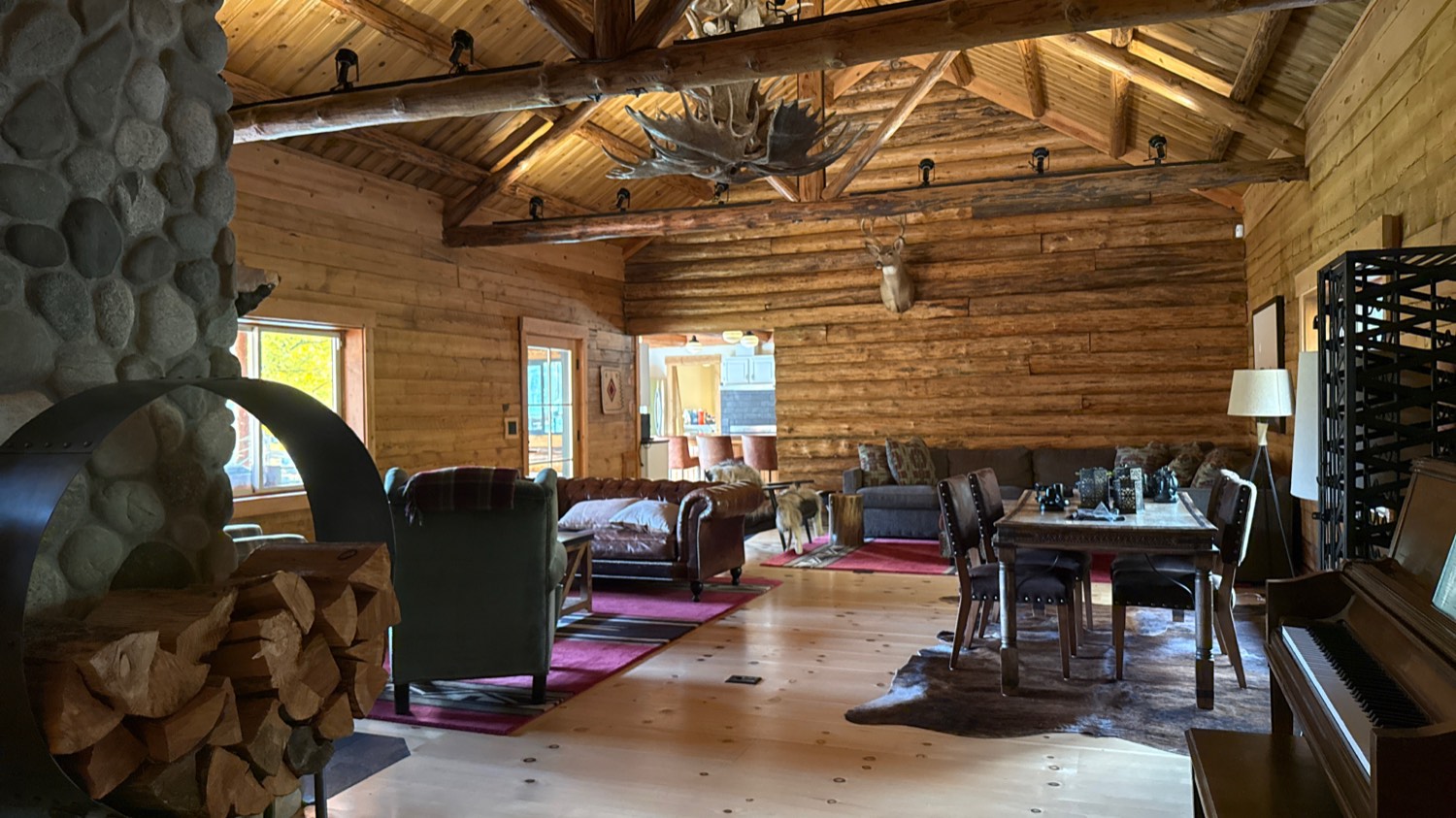
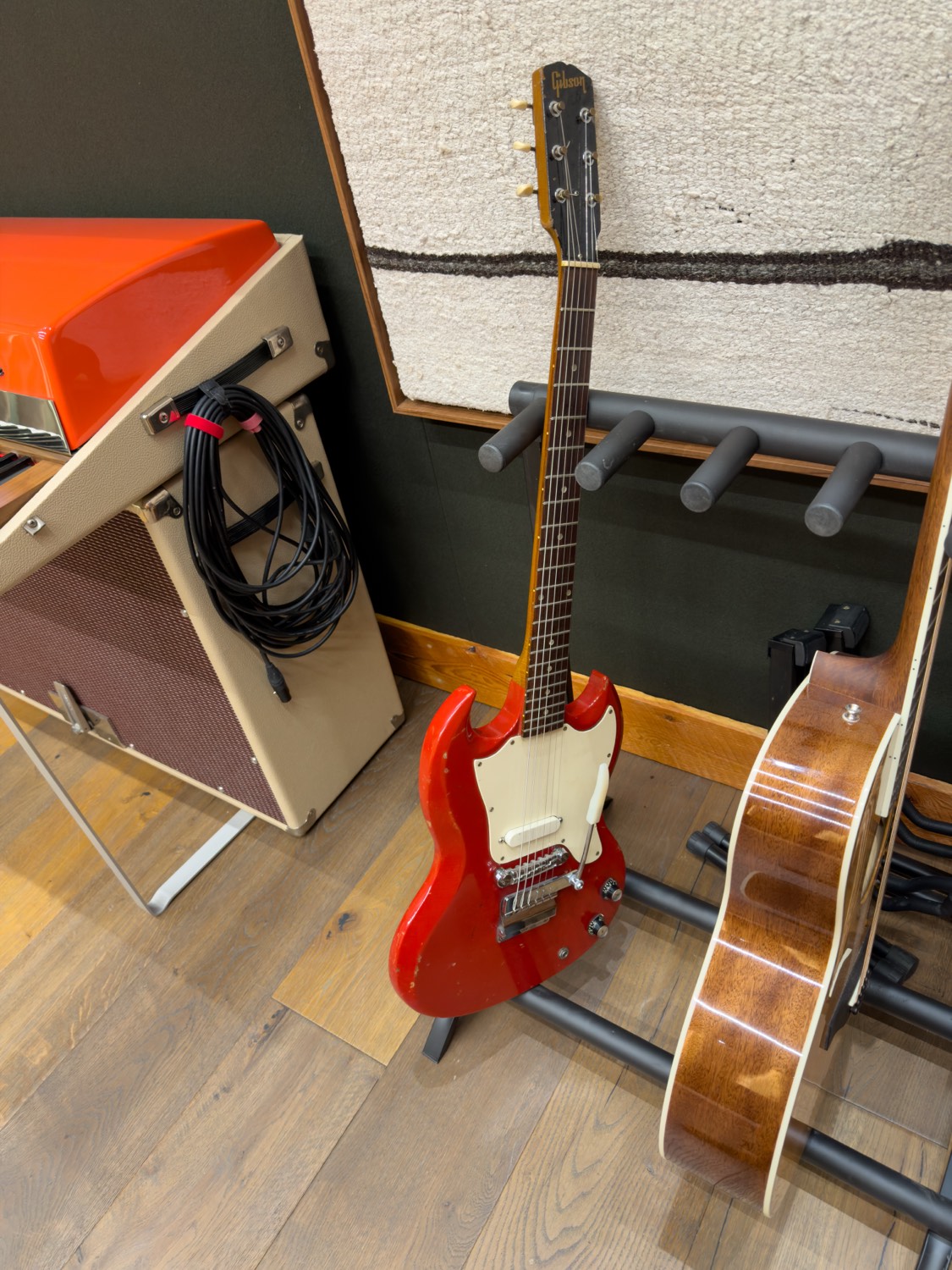
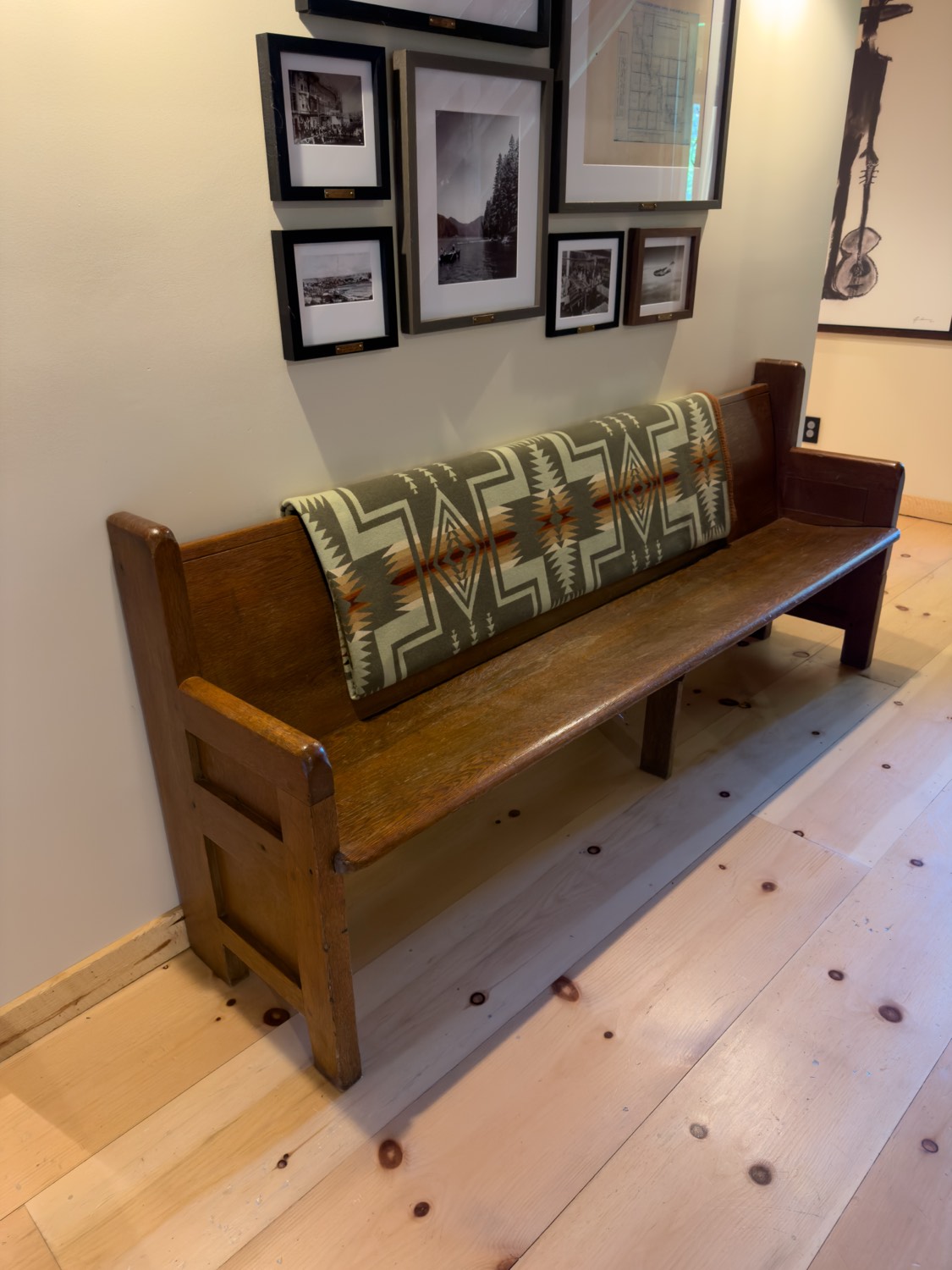
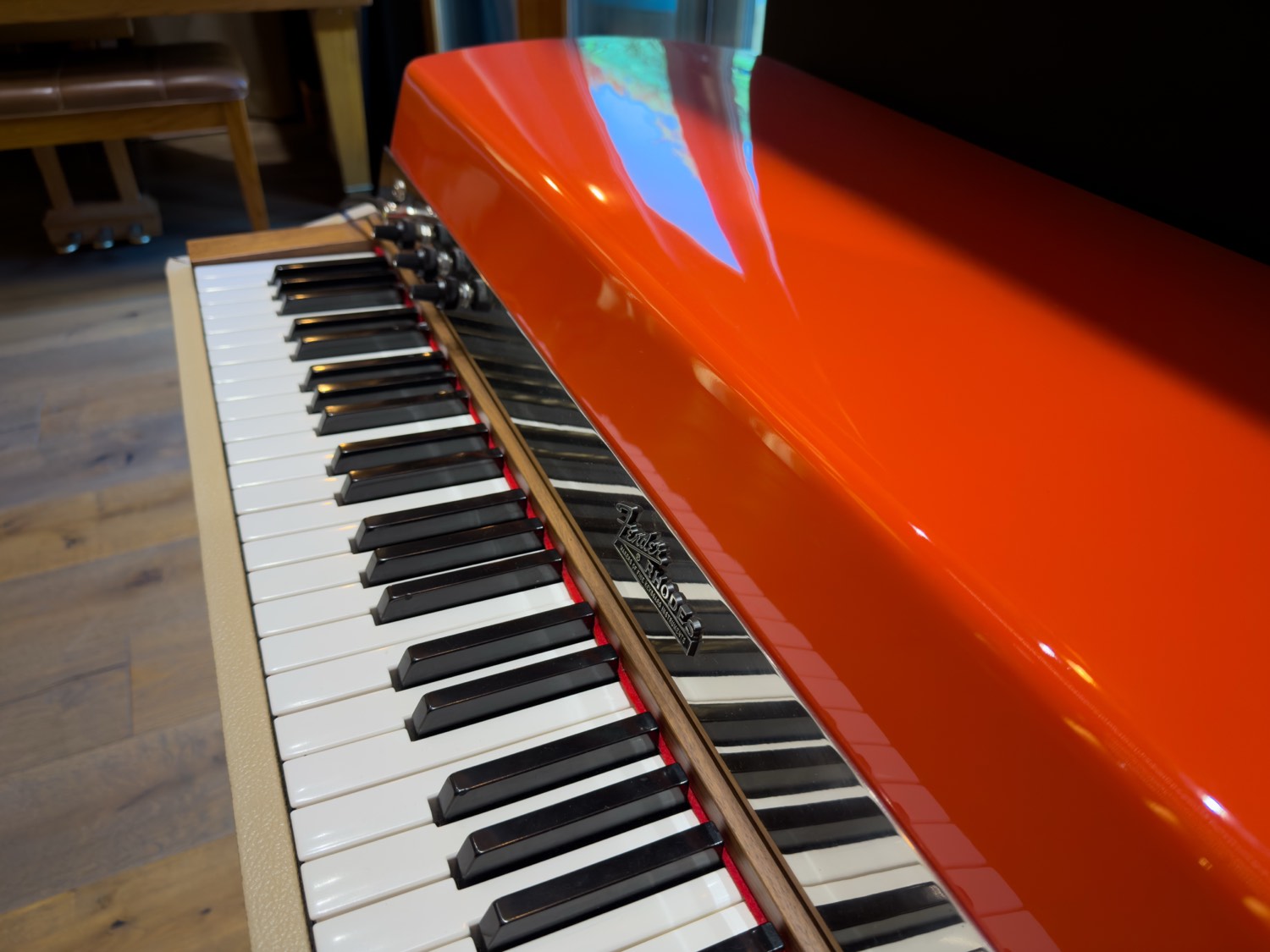
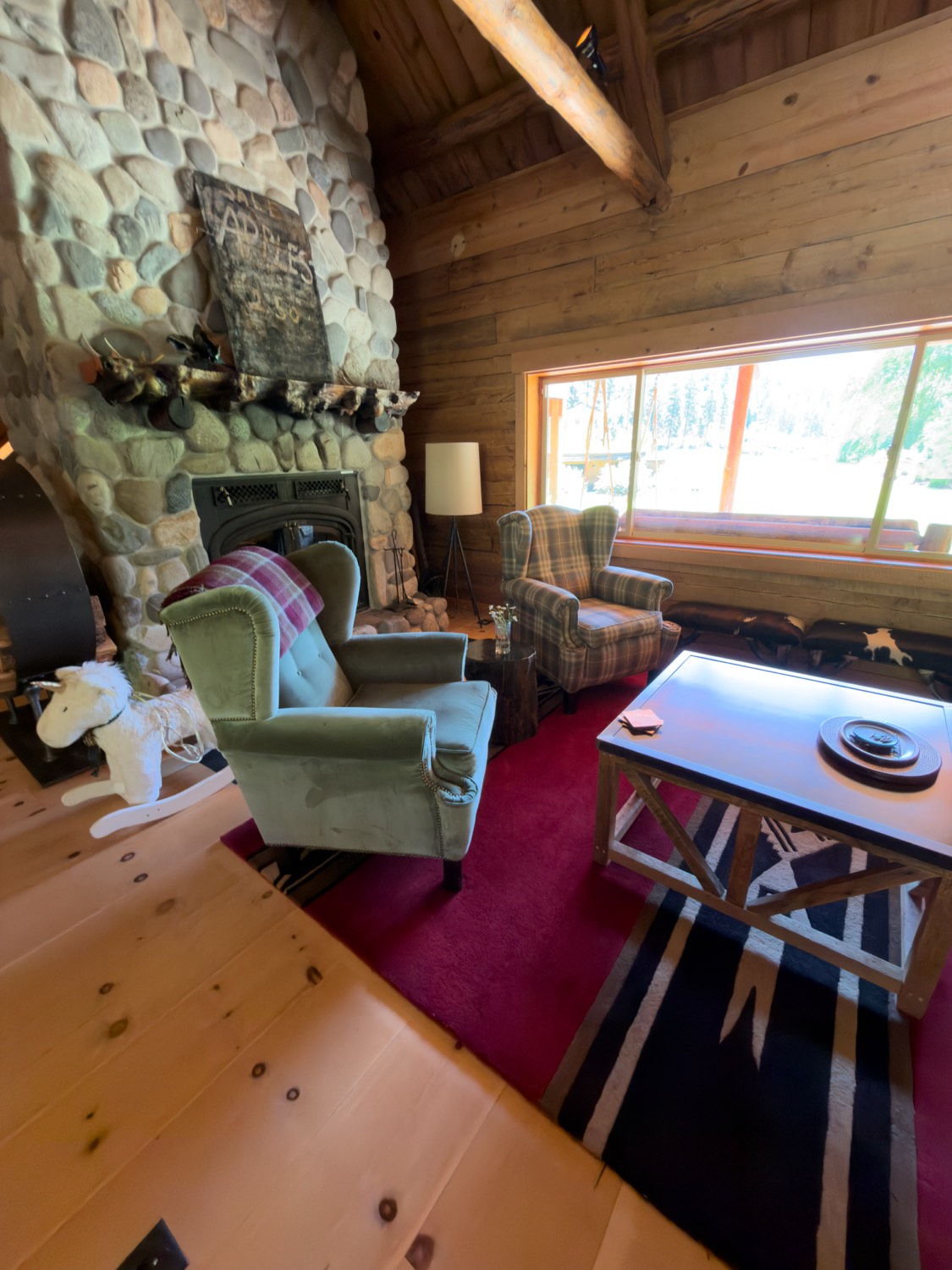
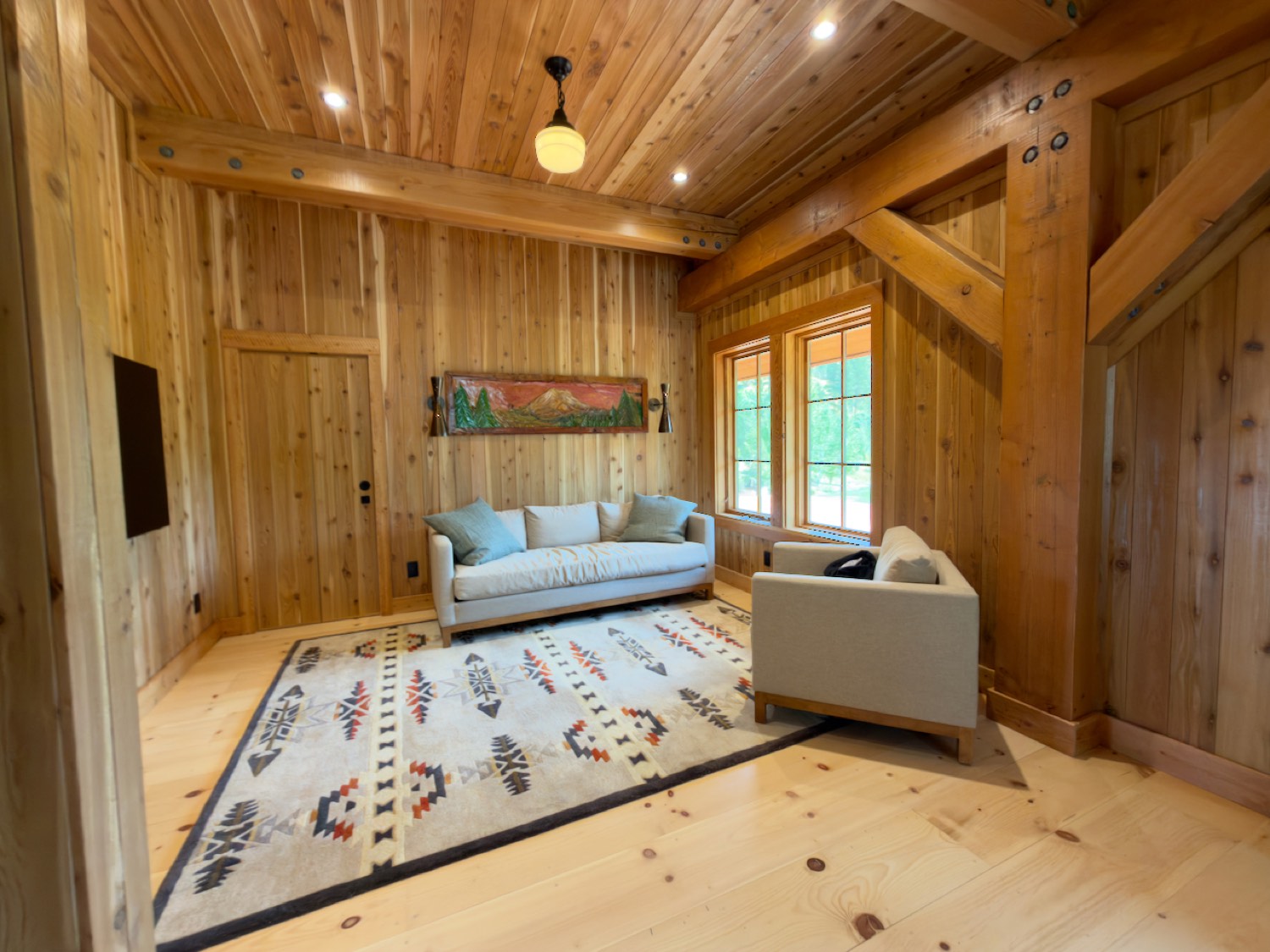
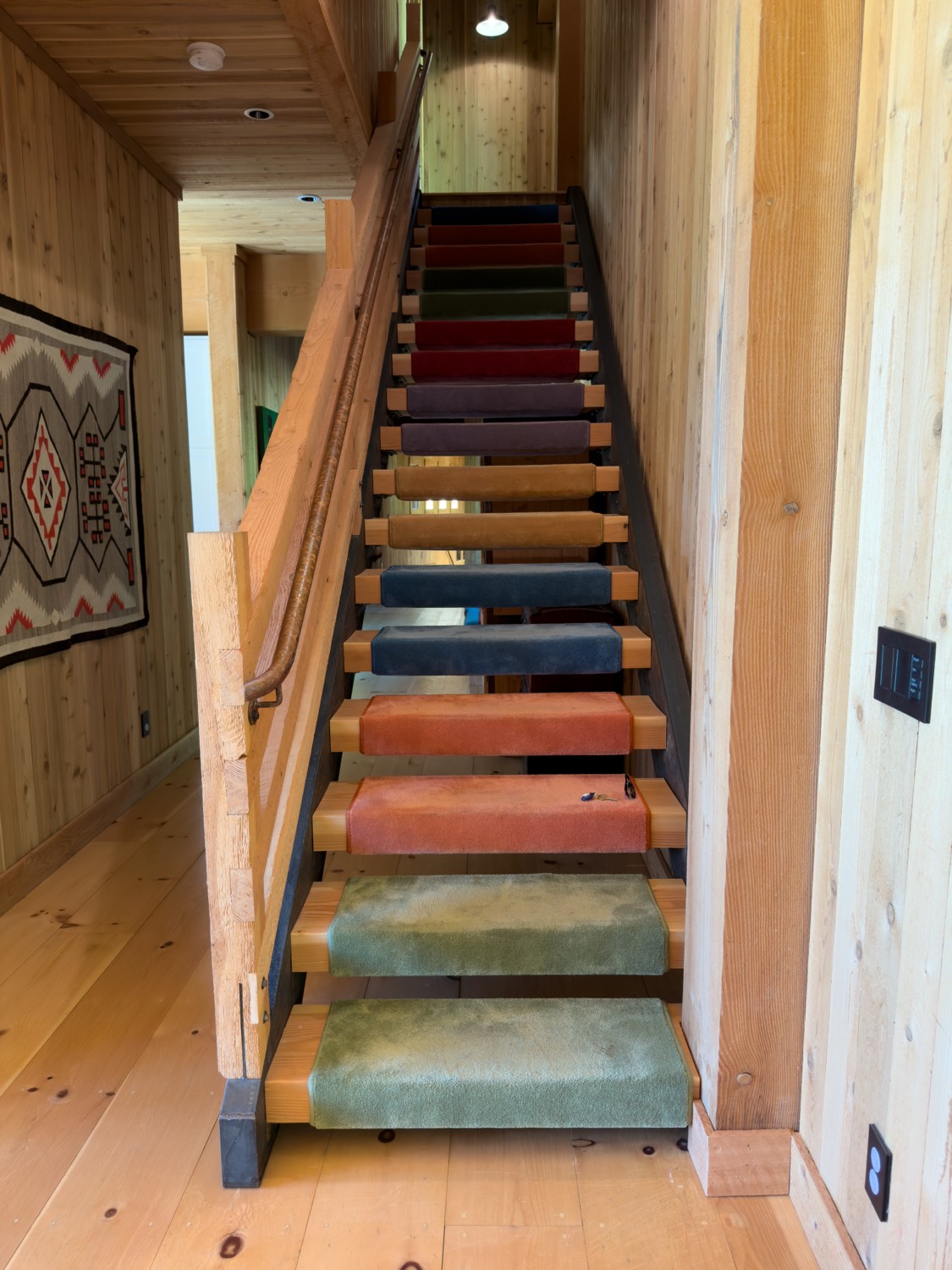
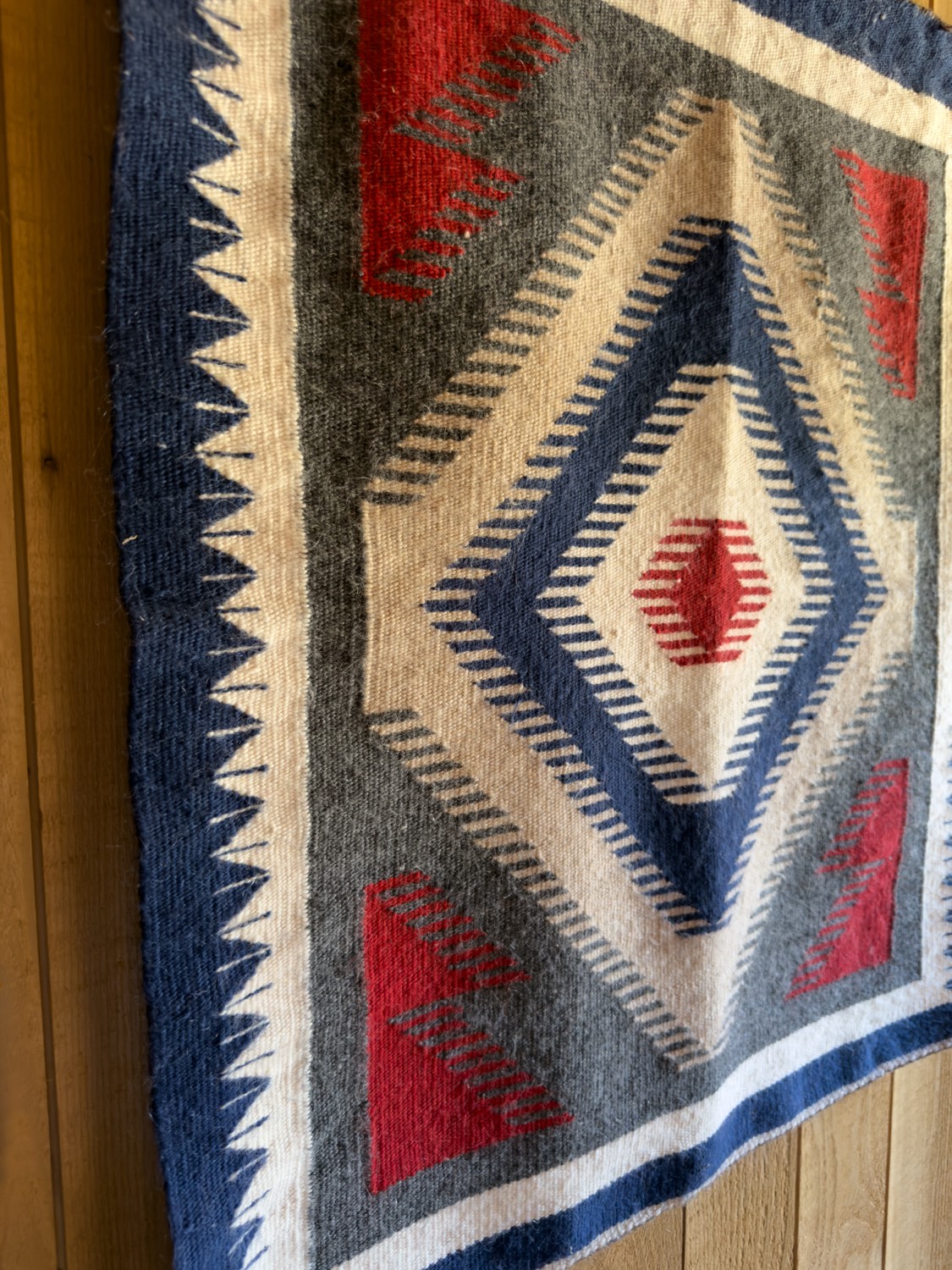
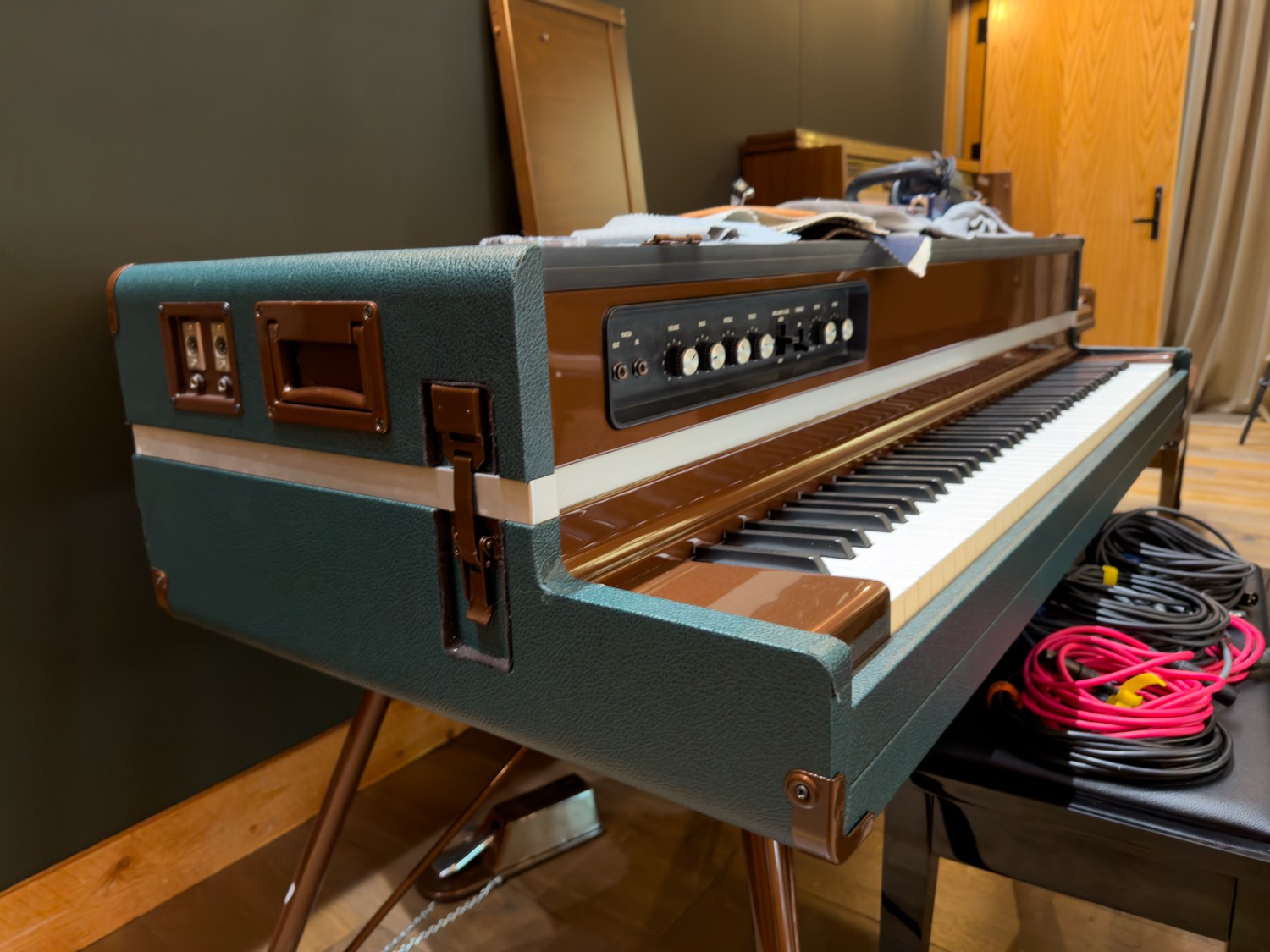
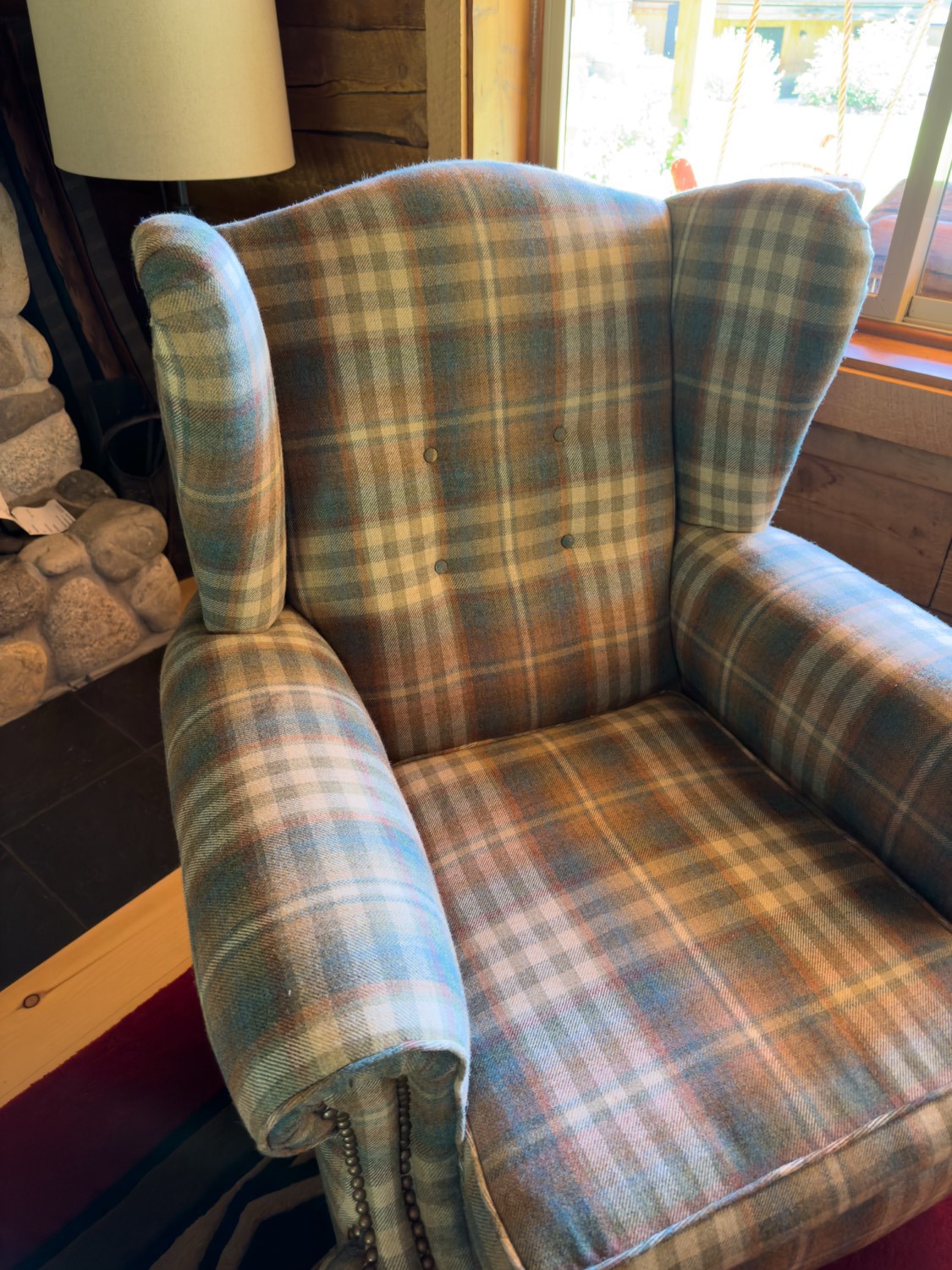
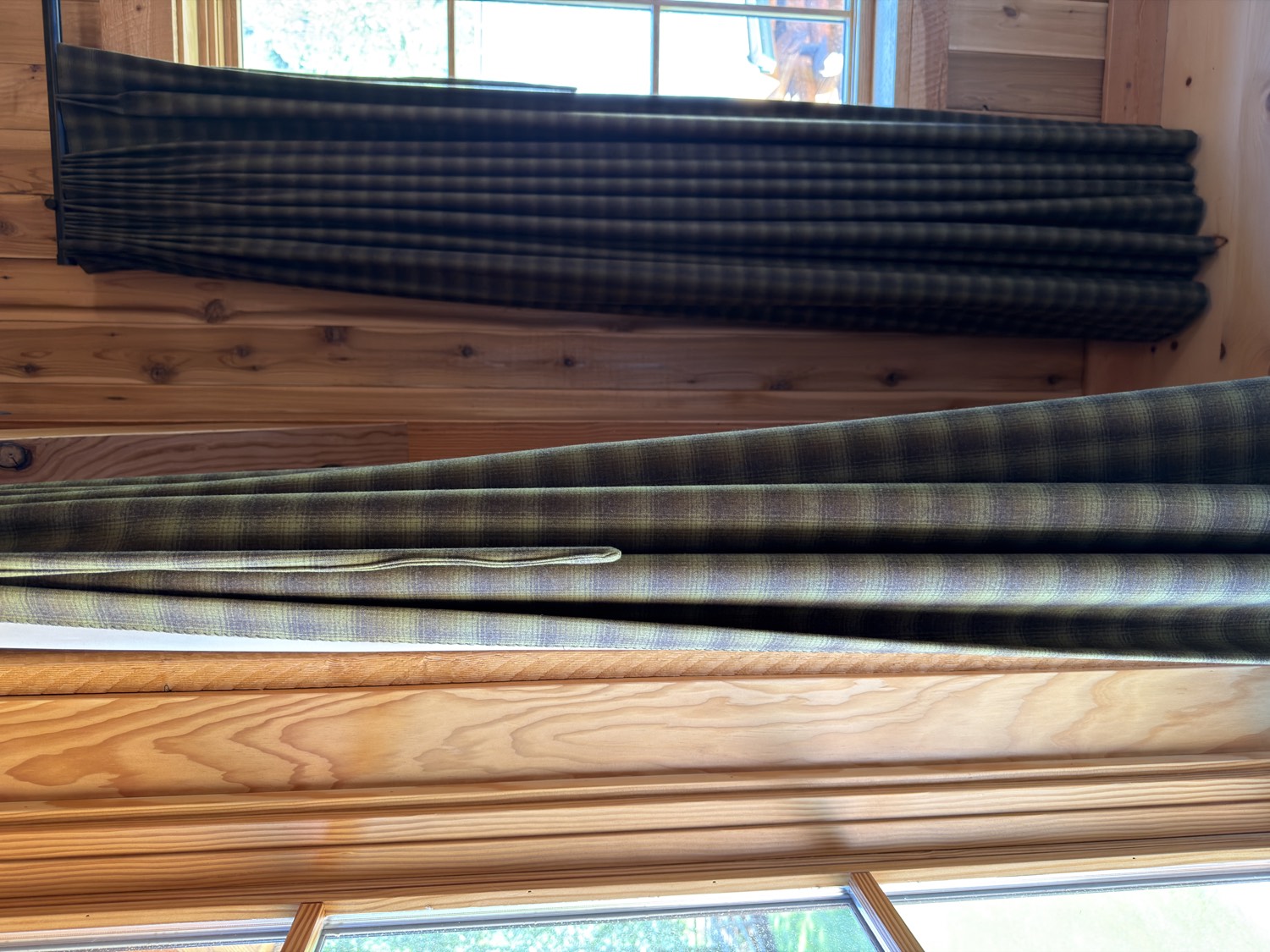
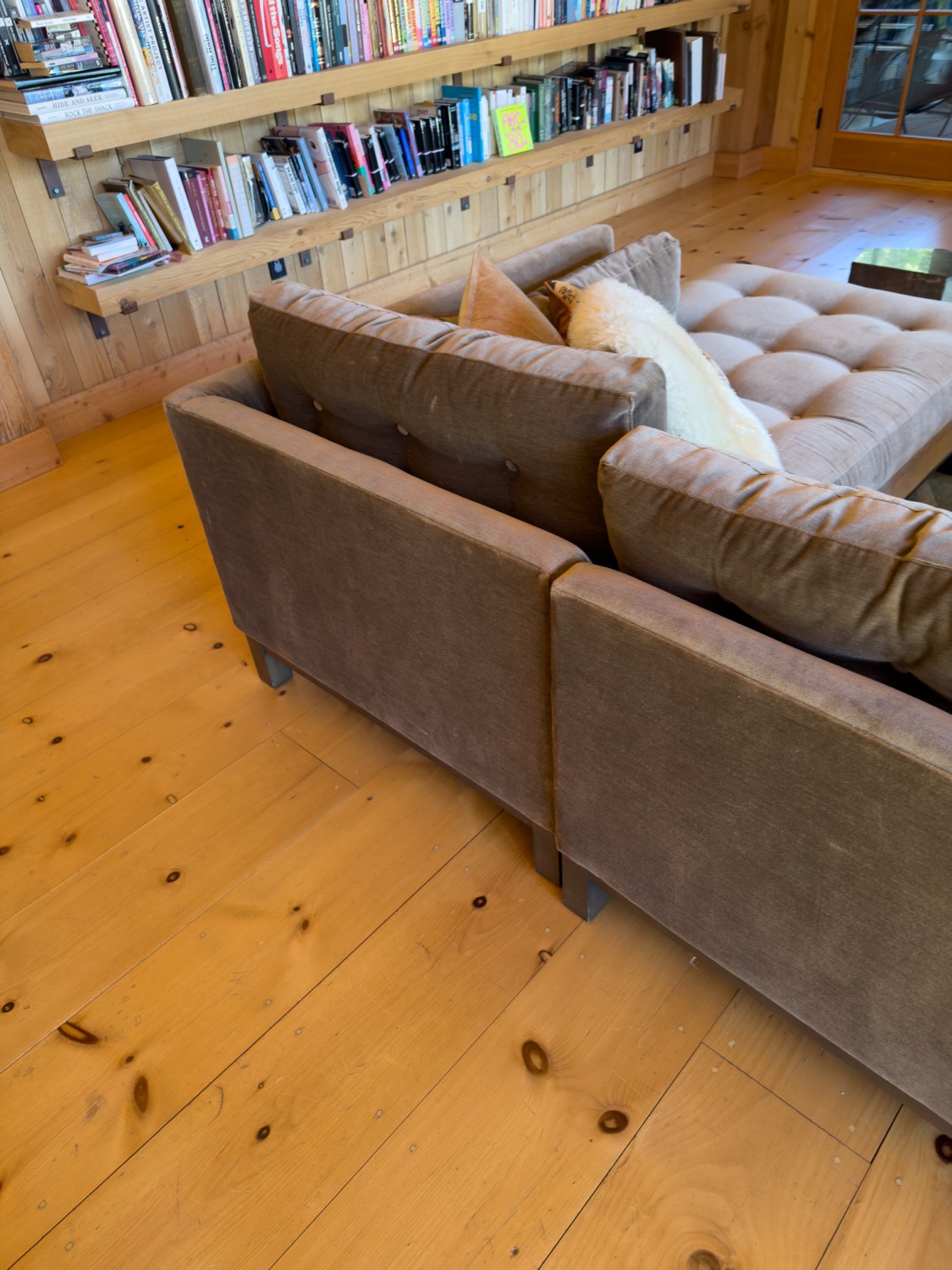
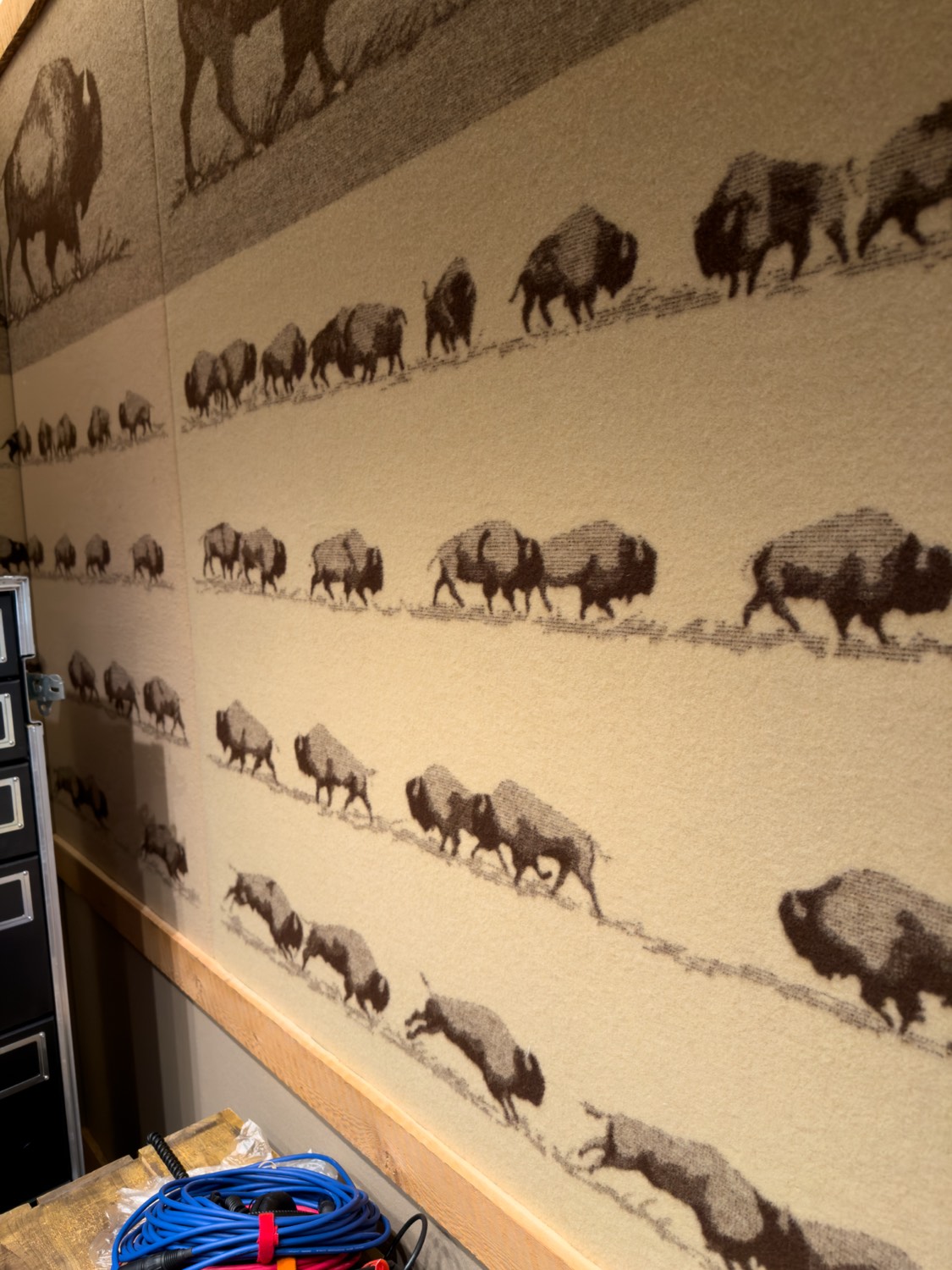
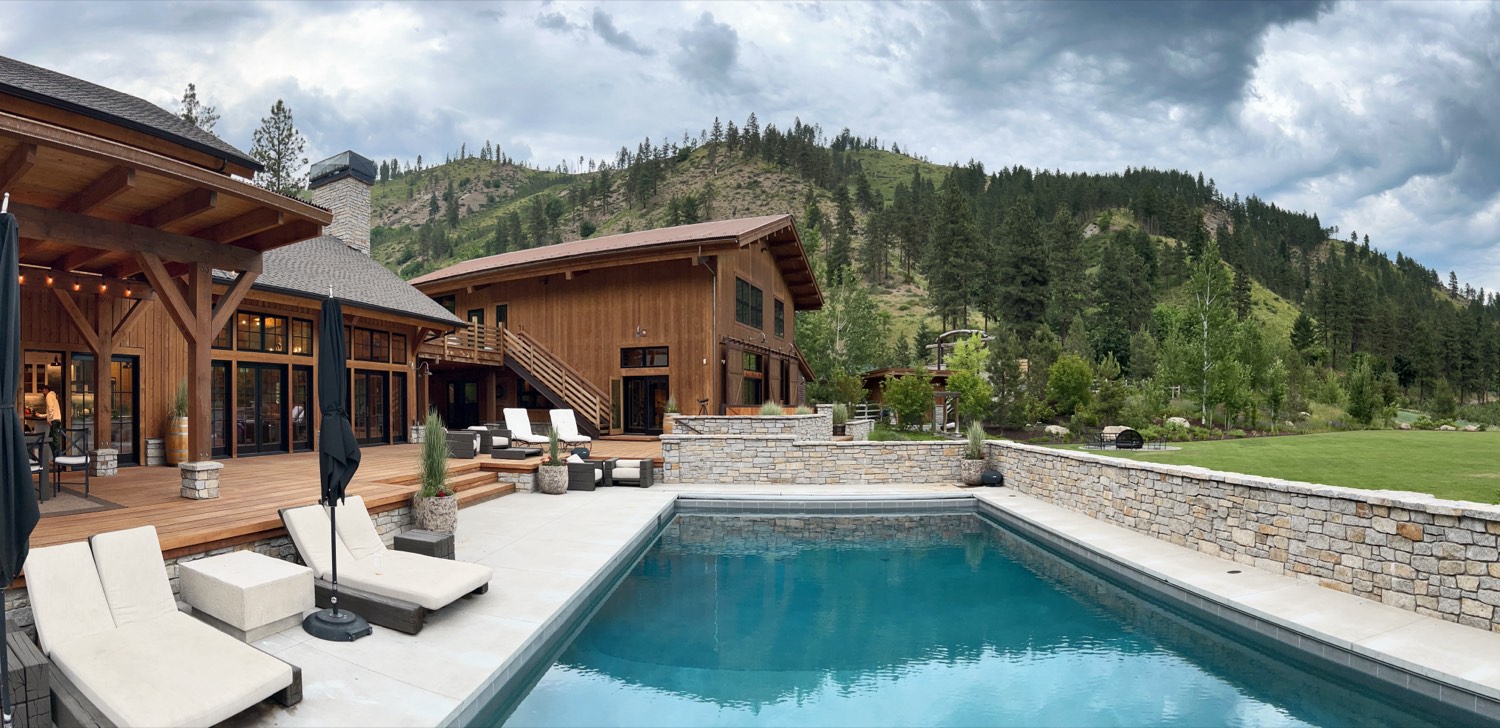
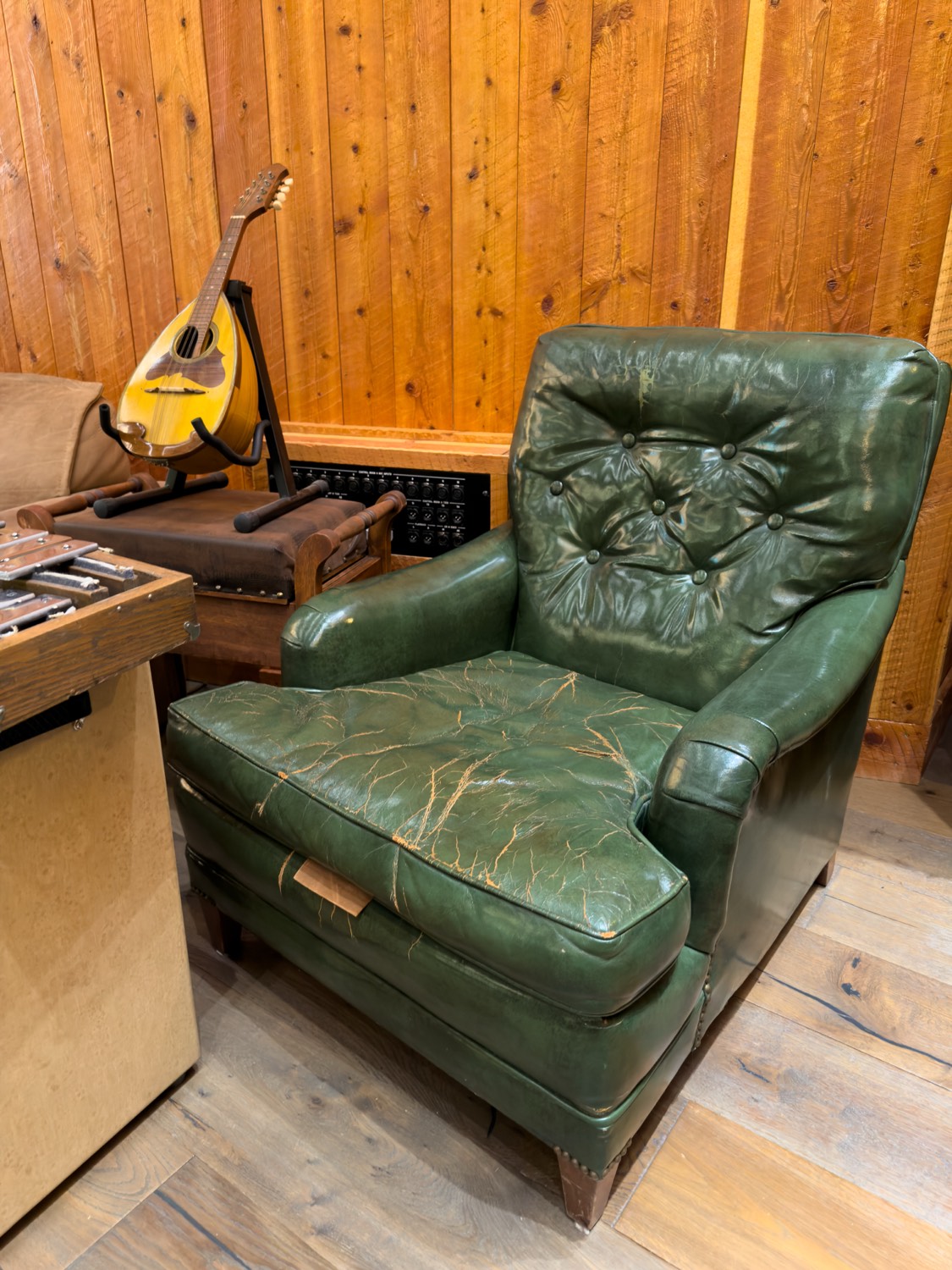
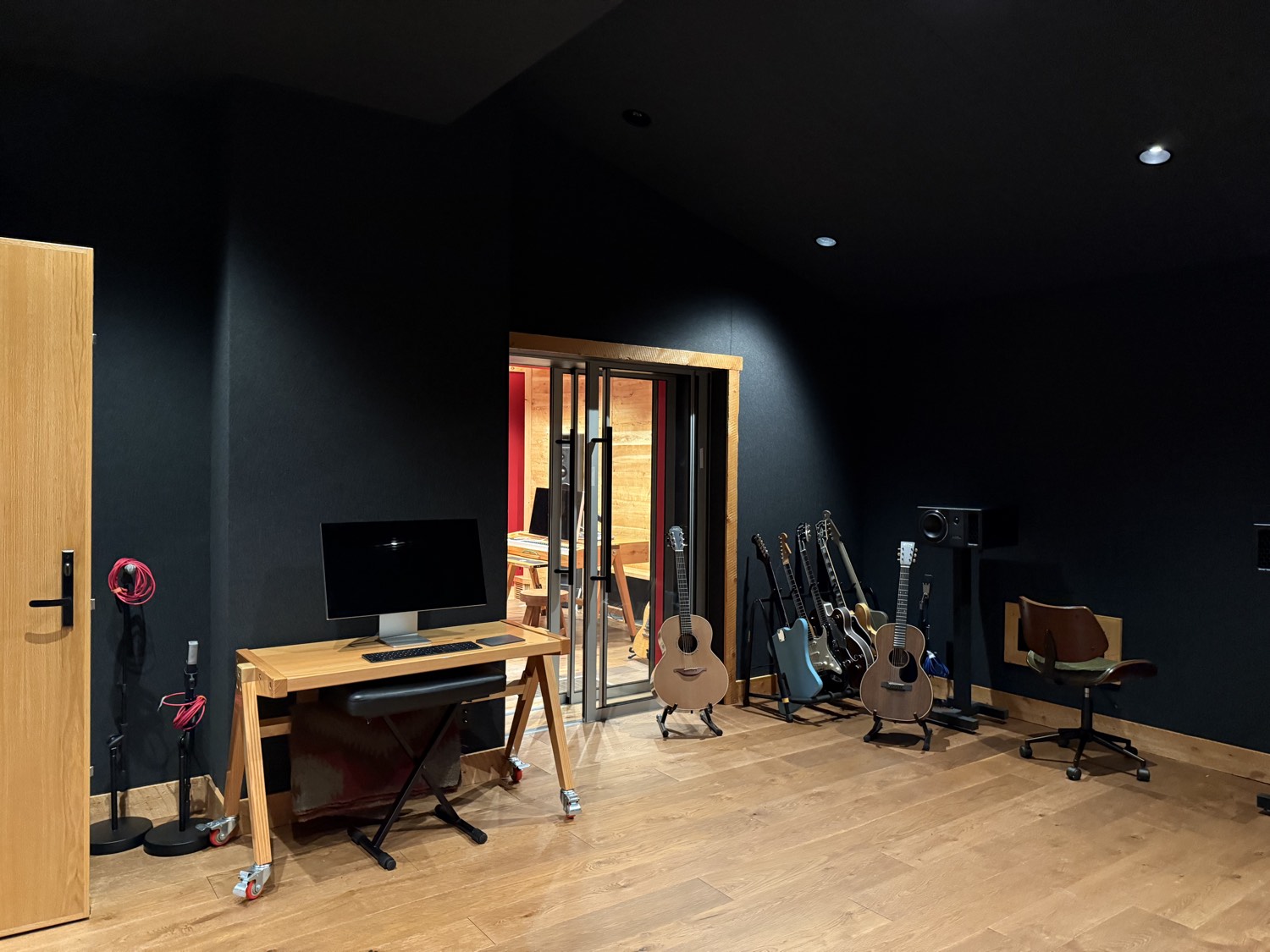
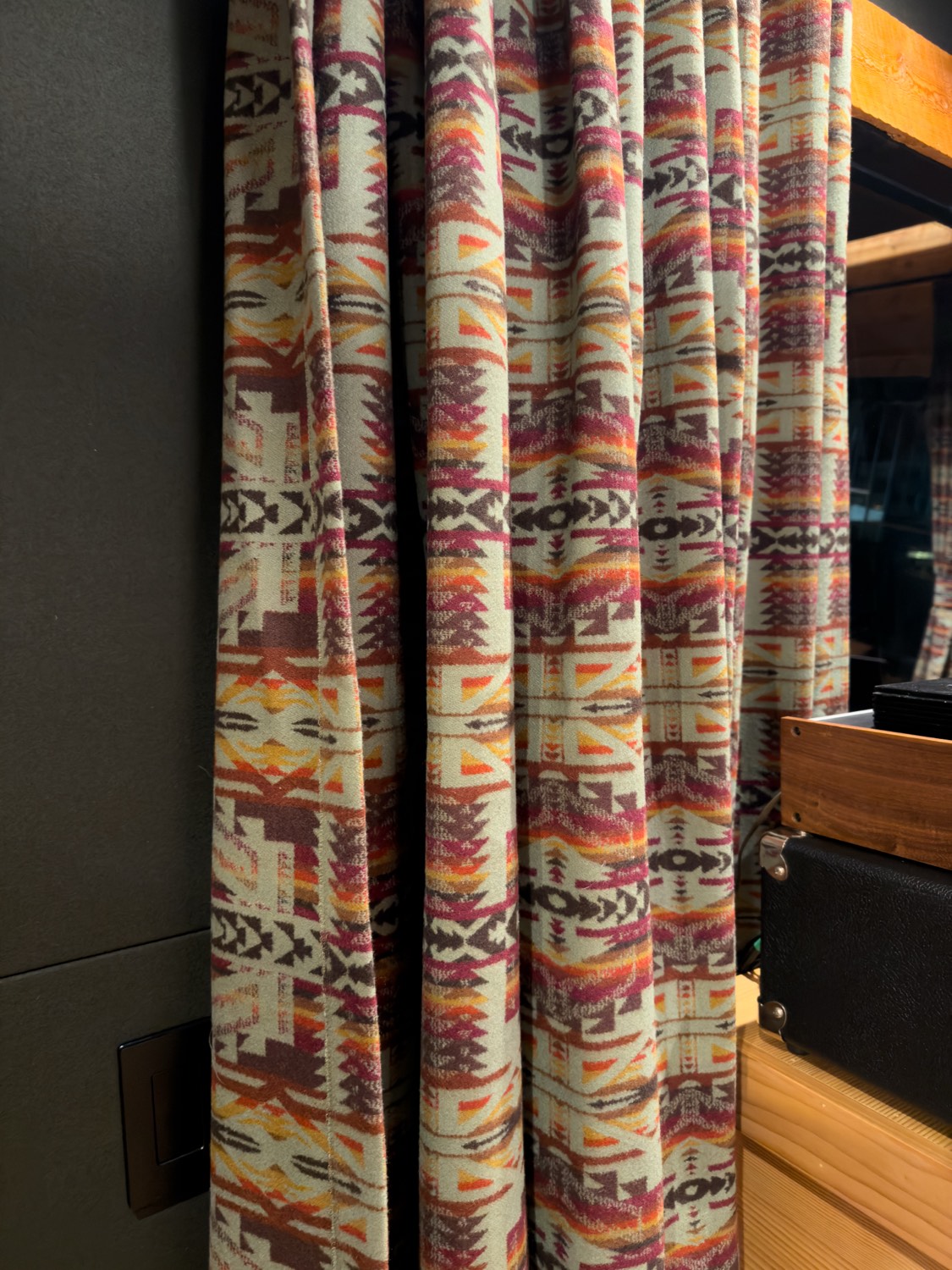
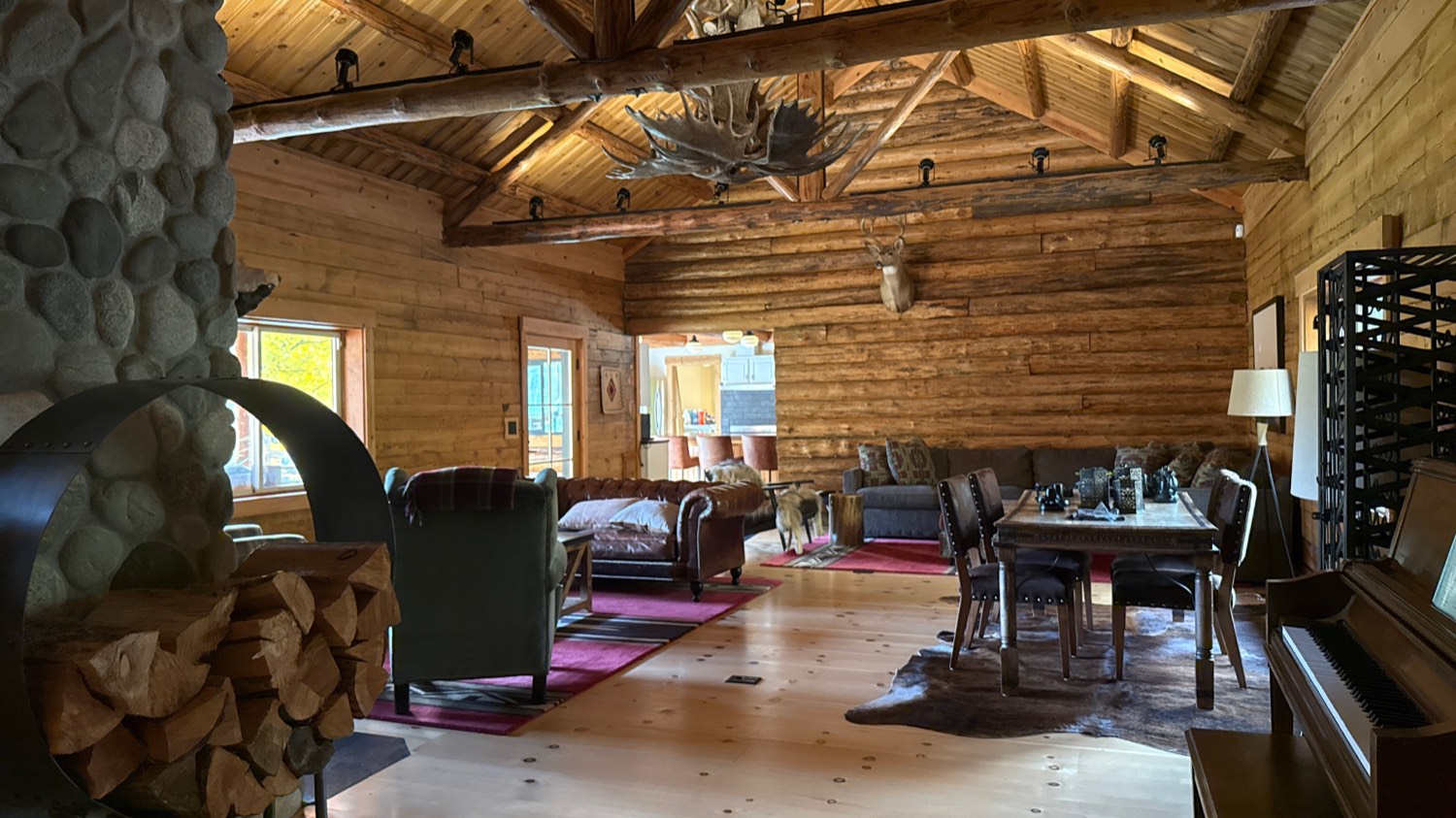
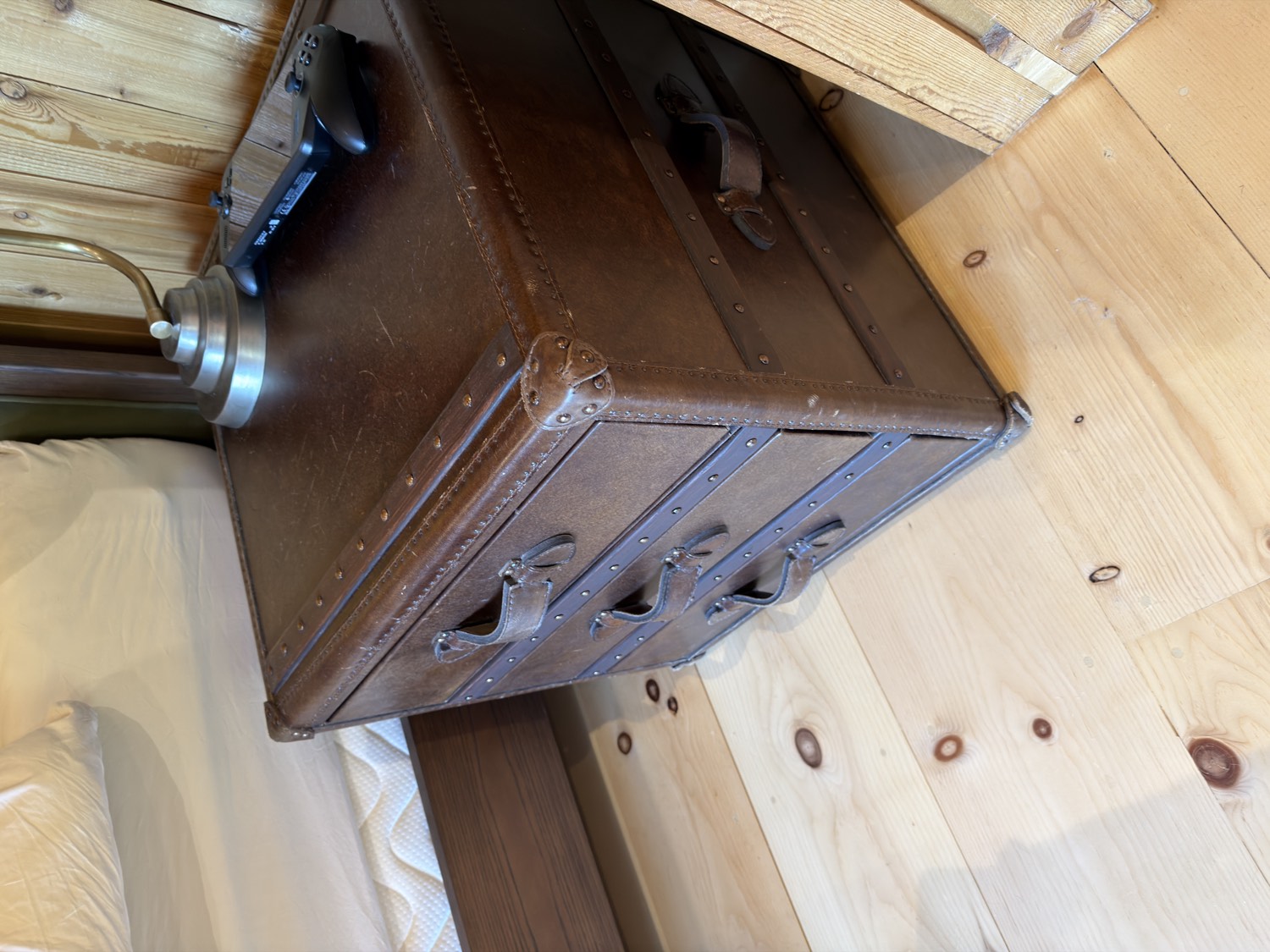
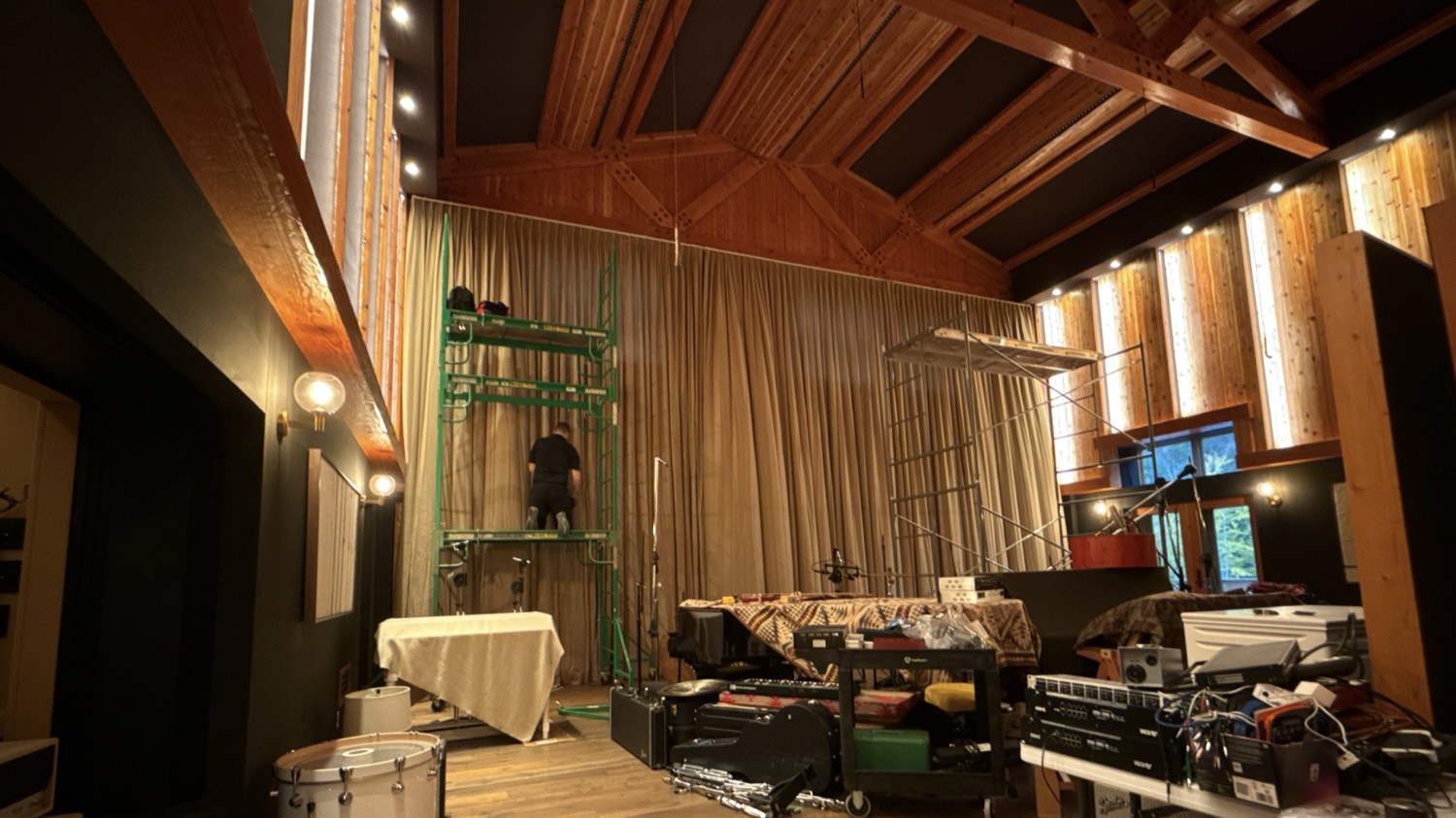
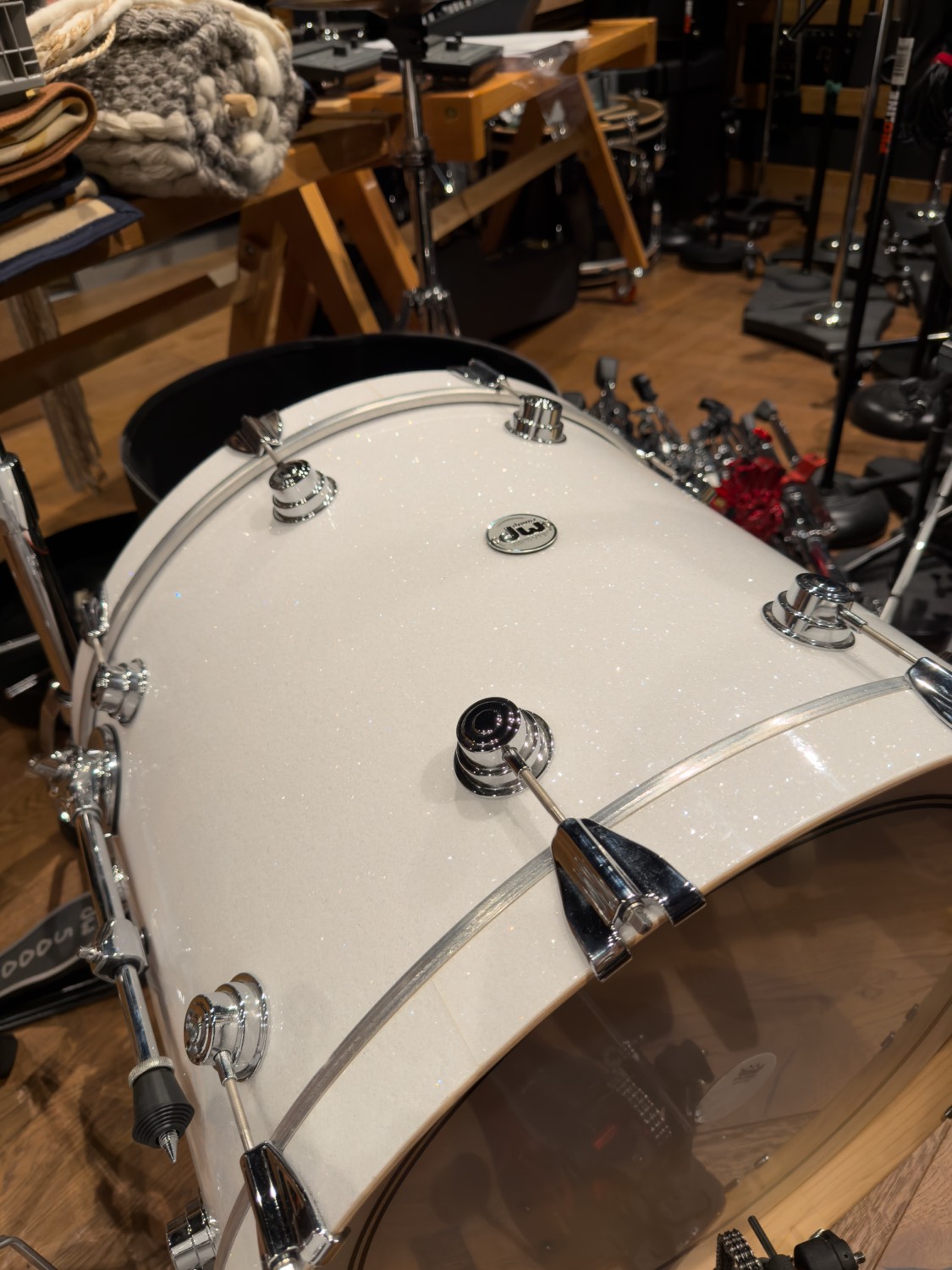
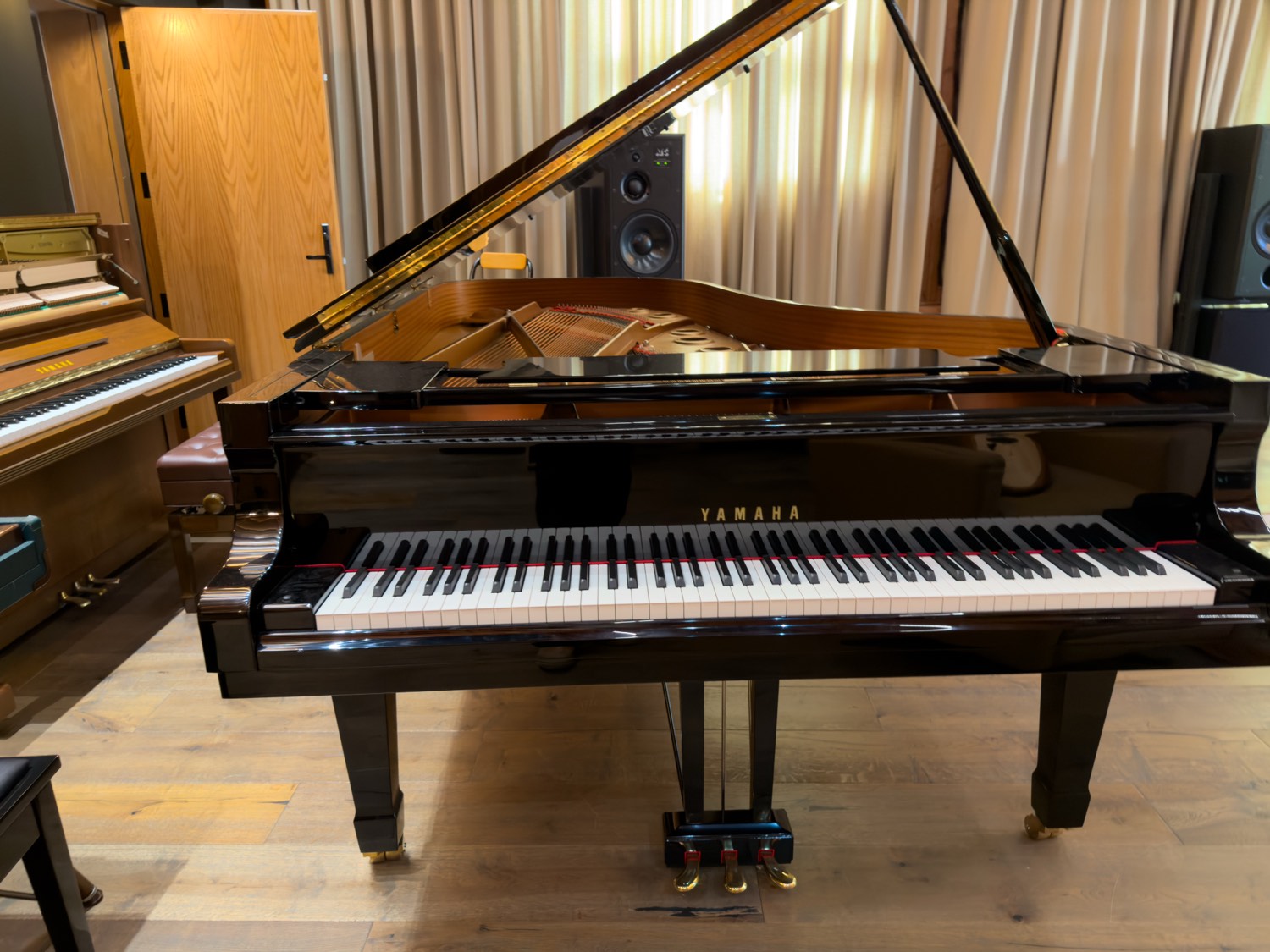
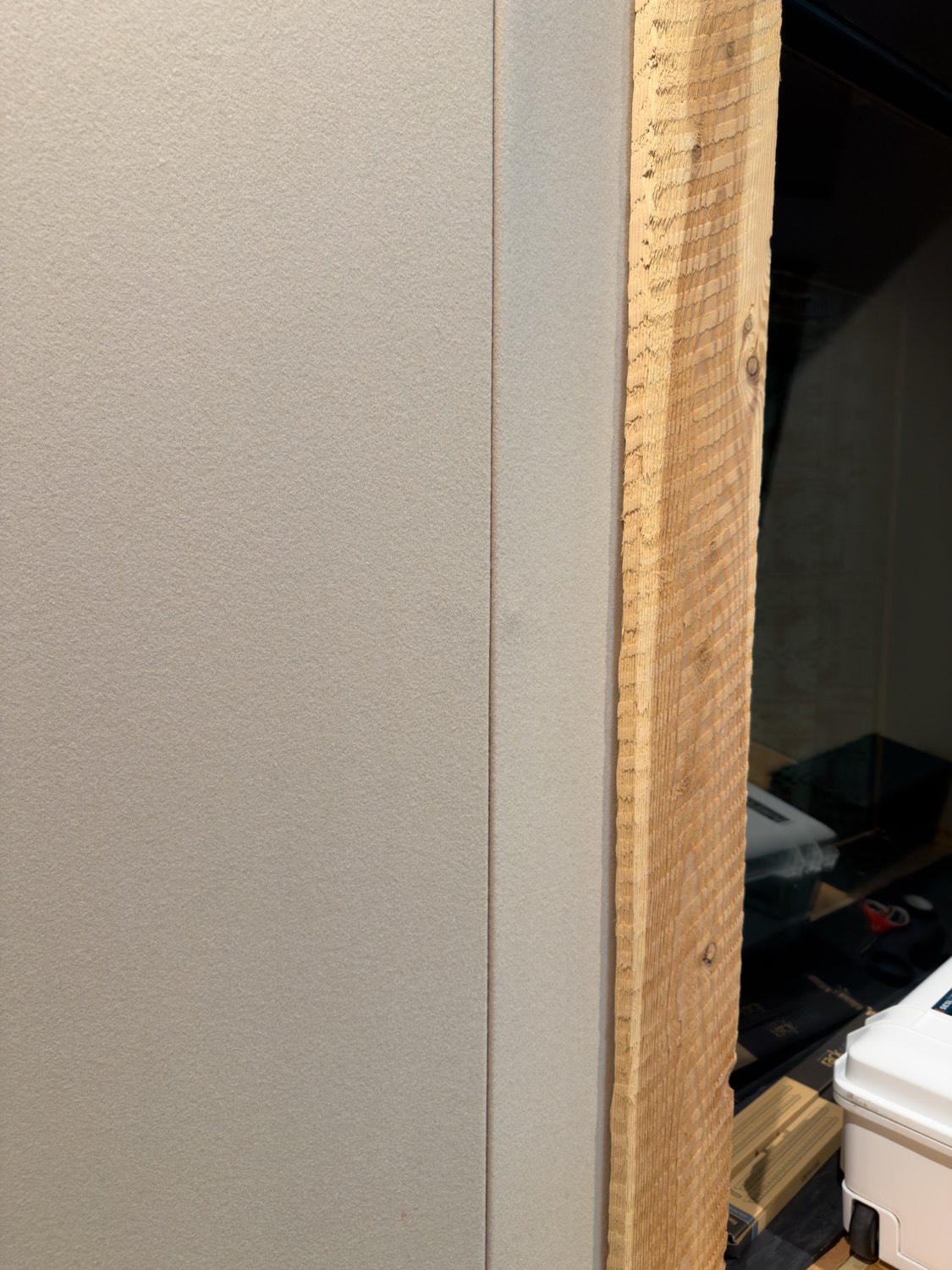
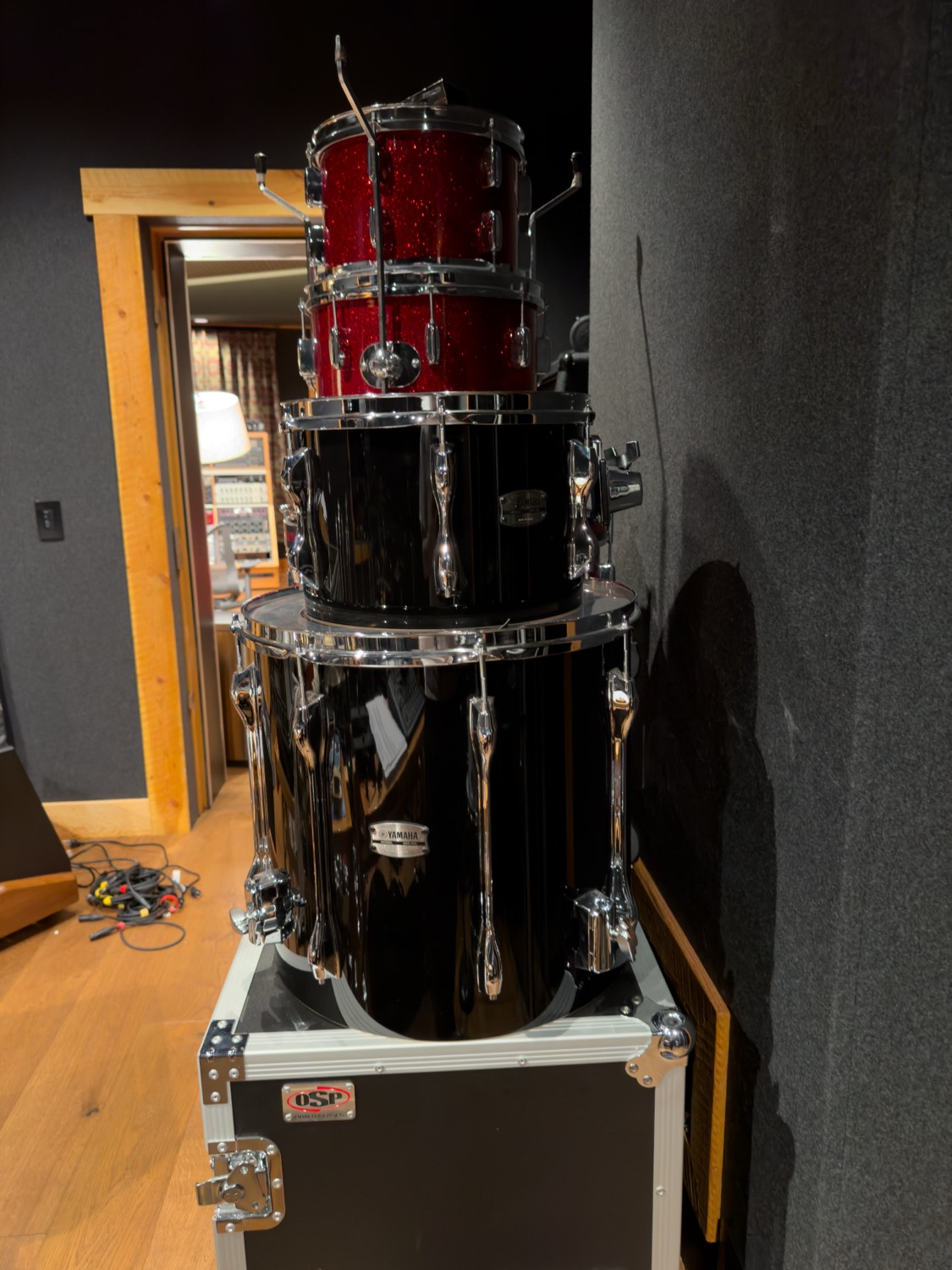
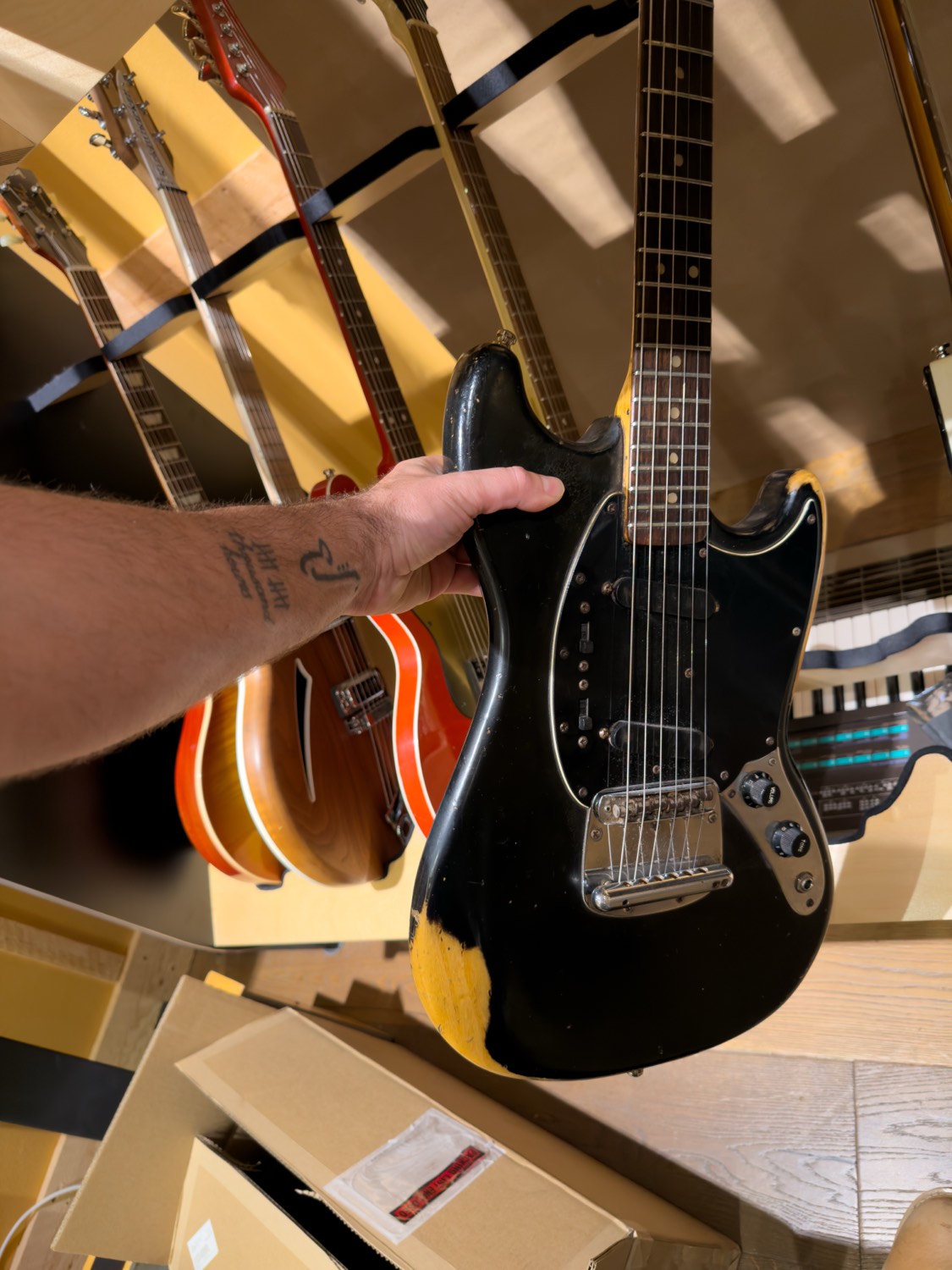
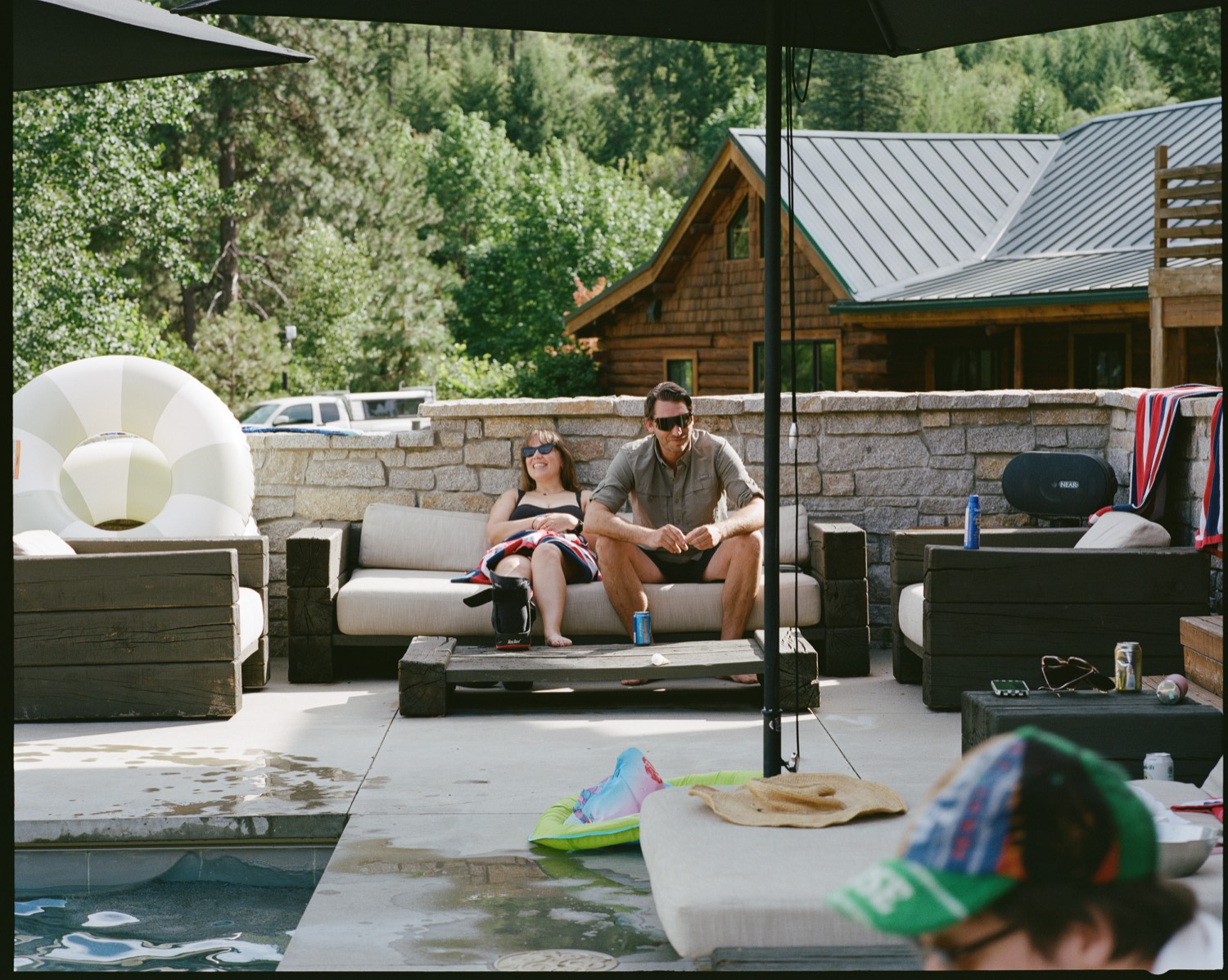
249 combinations. Each one is two real objects — shown together, with their colours read straight across as a single palette. Where the second object lives is stated, so you know what to carry. Built from 327 colorimeter readings, not from looking at photographs.
The strip across the top is the proposed palette: the left object's colours running straight into the right object's, so you see the combination as one thing rather than two swatches to compare. The divider marks where one item ends and the other begins.
Beneath it are the two objects themselves. Left is the anchor — something already in place, often a floor, a wall or a piece too heavy to move. Right is what you carry to it, and the line underneath says where it currently lives.
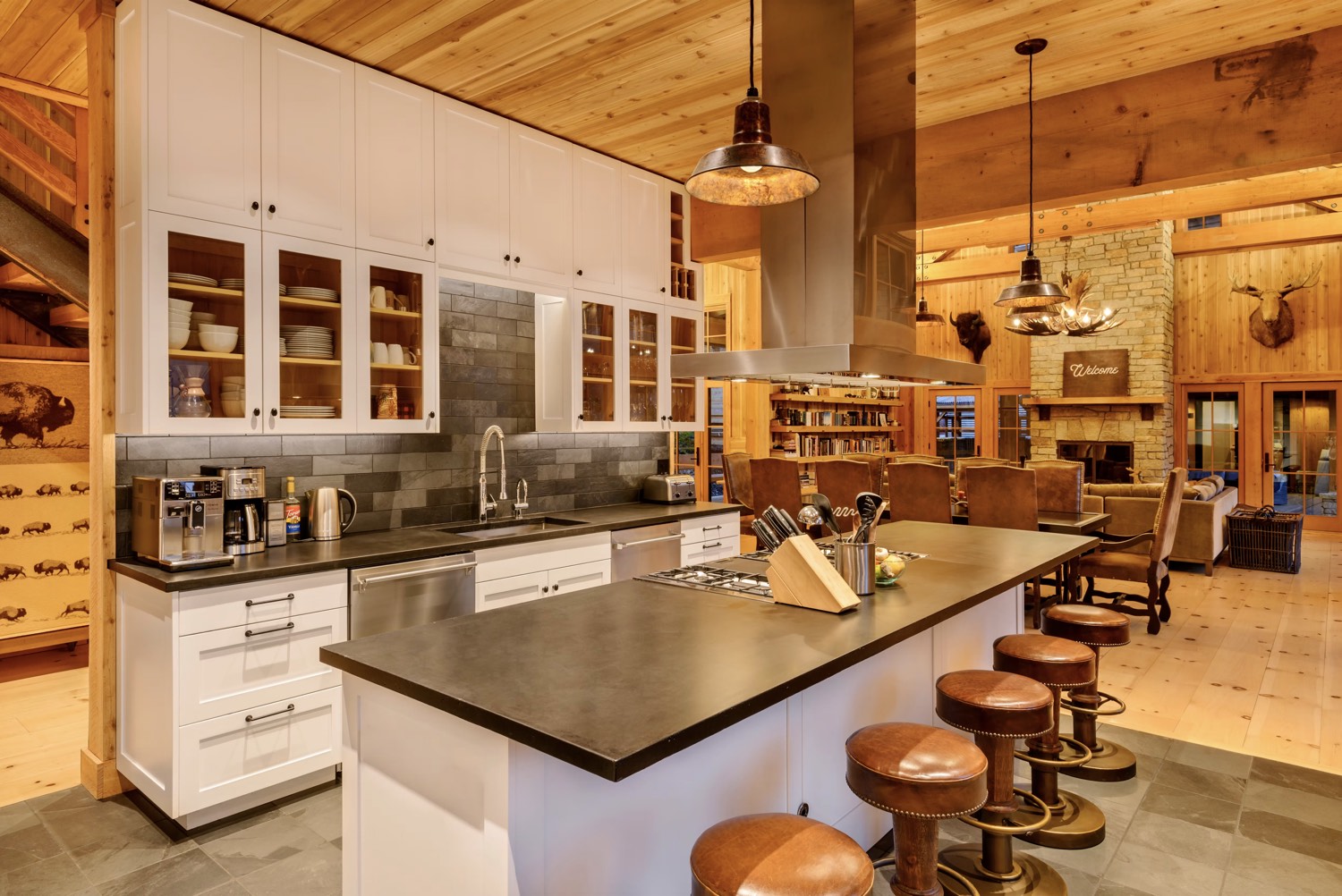
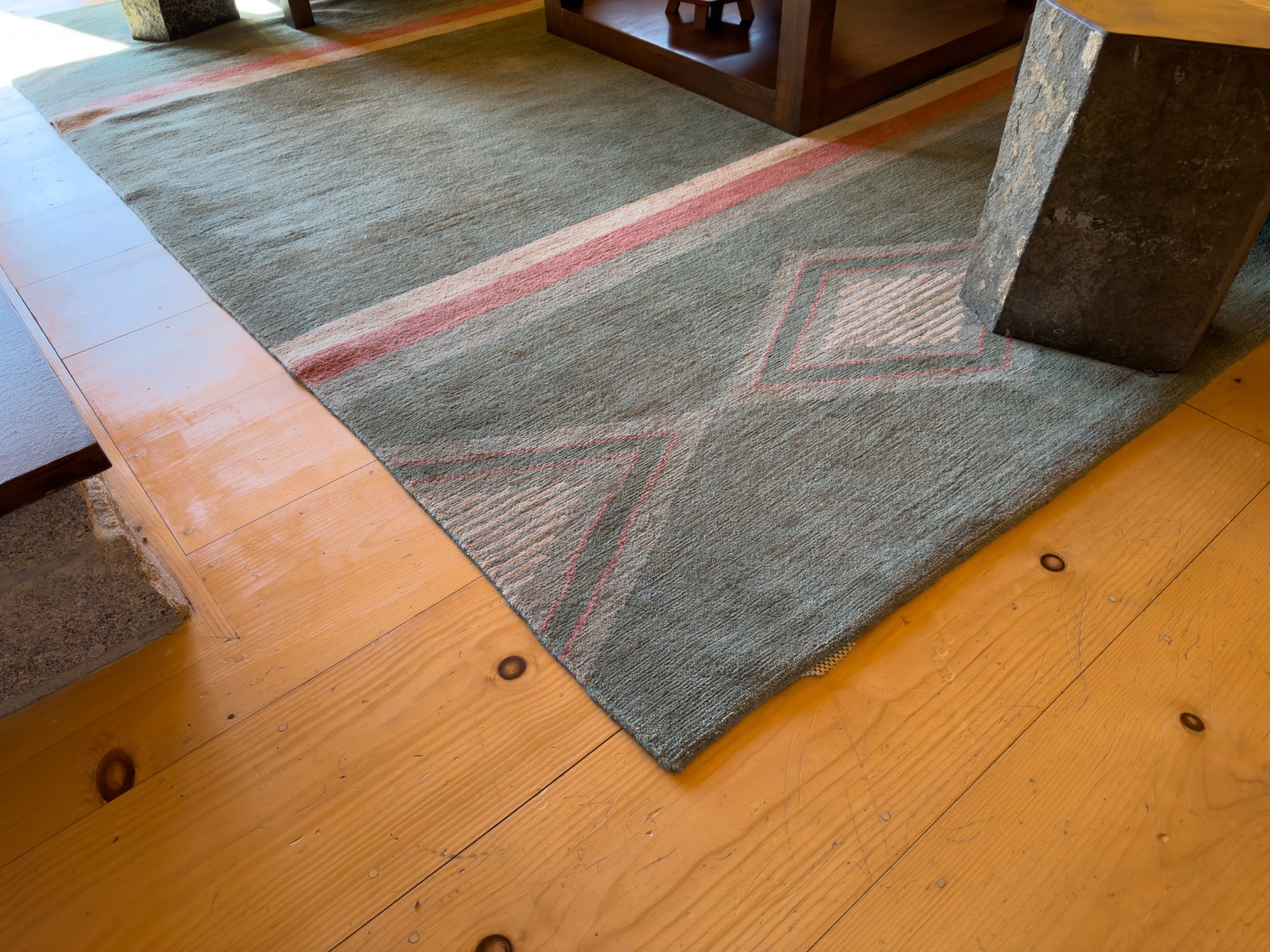
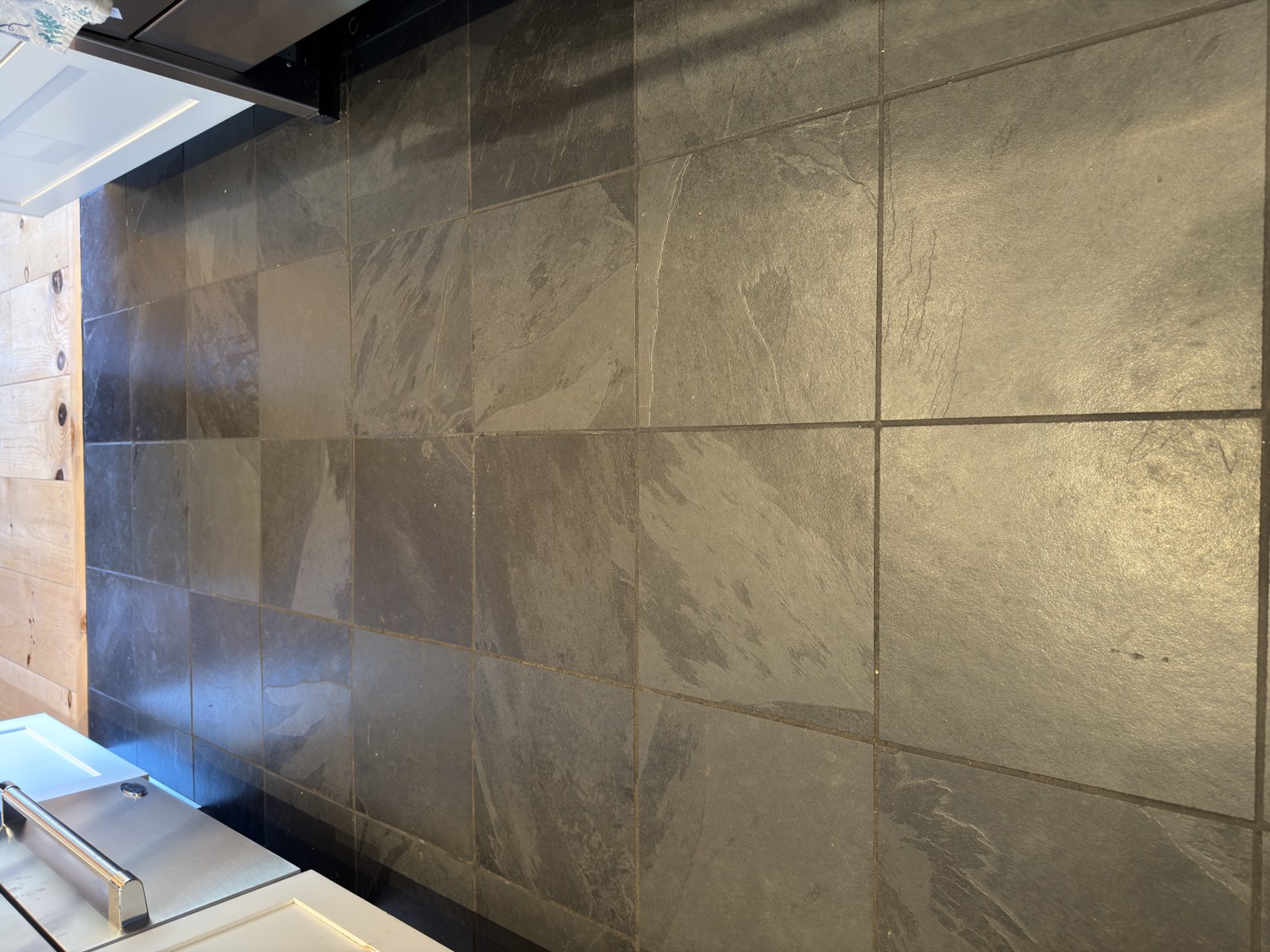
Everything on the right is something you can physically pick up. Wood floors, wall grain, tile, concrete and drywall are classified fixed and never appear as a move — only ever as the thing you bring an object to.
Ordering follows your shortlist. Combinations where both objects sit in a colour family you named — the burnt amber, the Rain Forest green, the mustard — come first. Then strongest relationship: complementary, split-complementary, triadic, analogous, neutral ground.
complementary — true opposites at 176° — maximum colour tension.
Opposites maximise simultaneous contrast: each makes the other look more saturated than it measures. Computed in OKLCh, not on an RGB wheel — hue-wheel complements are badly wrong for browns, which is most of this property.
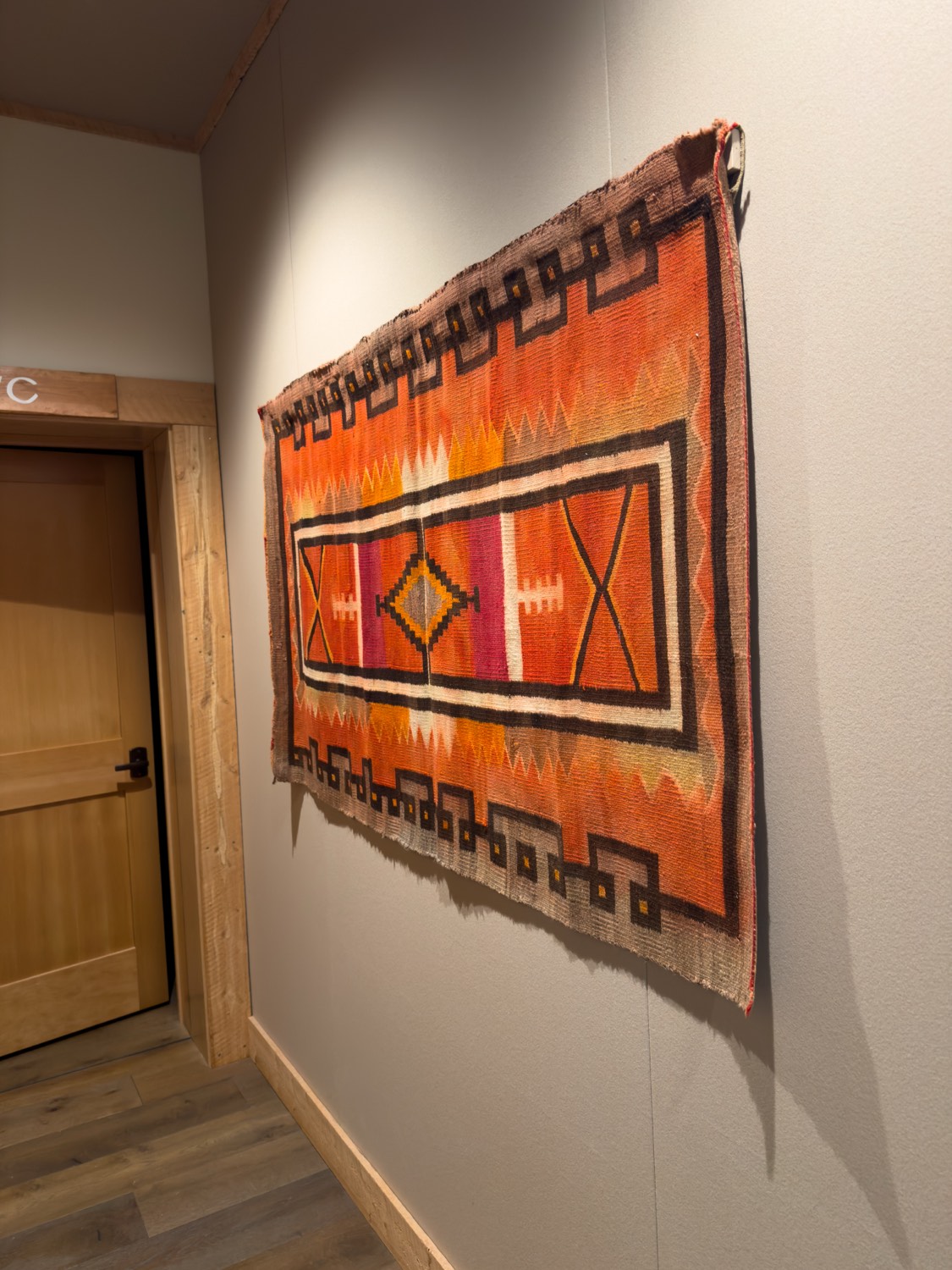
complementary — true opposites at 155° — maximum colour tension.
Opposites maximise simultaneous contrast: each makes the other look more saturated than it measures. Computed in OKLCh, not on an RGB wheel — hue-wheel complements are badly wrong for browns, which is most of this property.
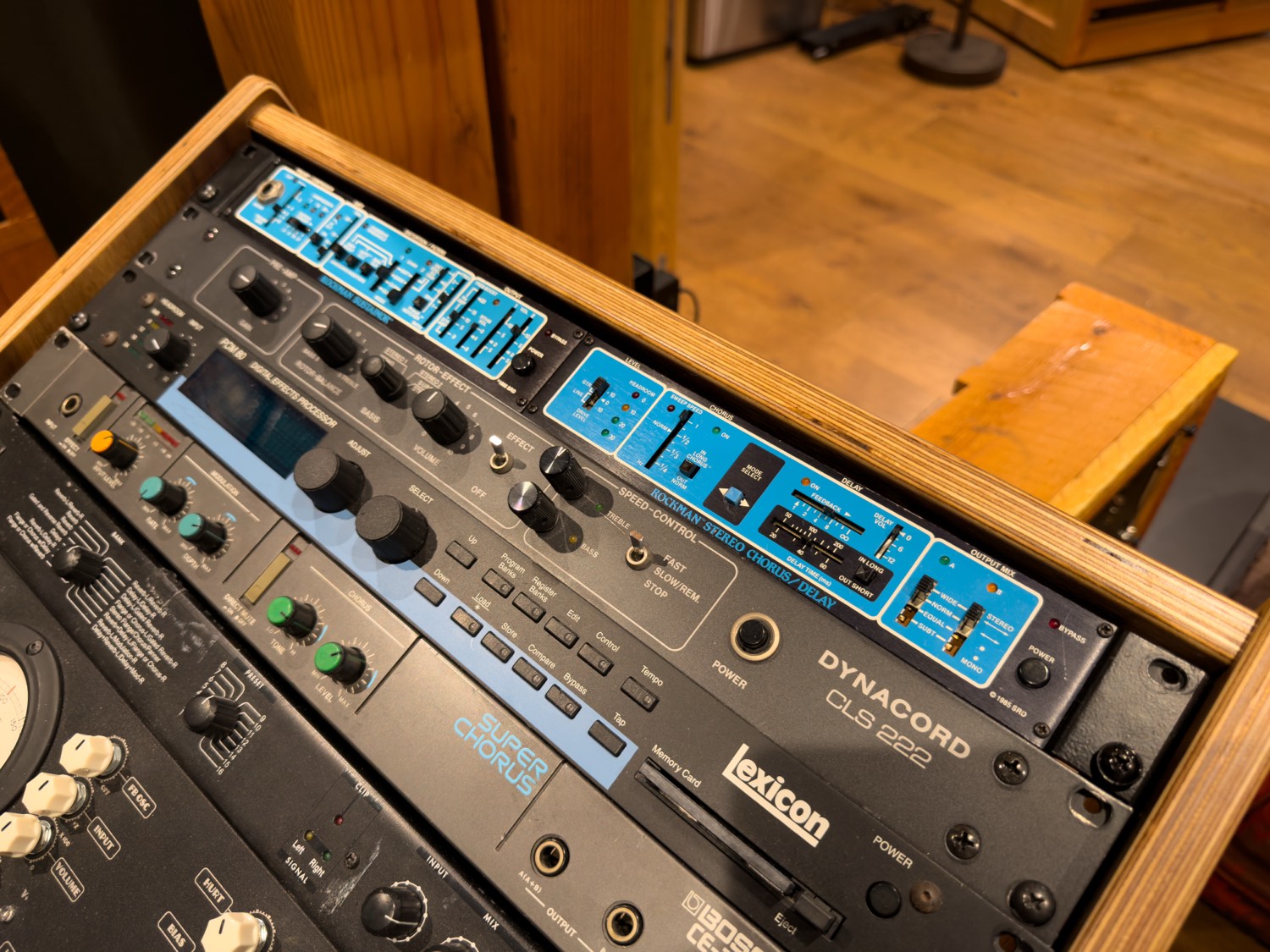
complementary — true opposites at 173° — maximum colour tension.
Opposites maximise simultaneous contrast: each makes the other look more saturated than it measures. Computed in OKLCh, not on an RGB wheel — hue-wheel complements are badly wrong for browns, which is most of this property.
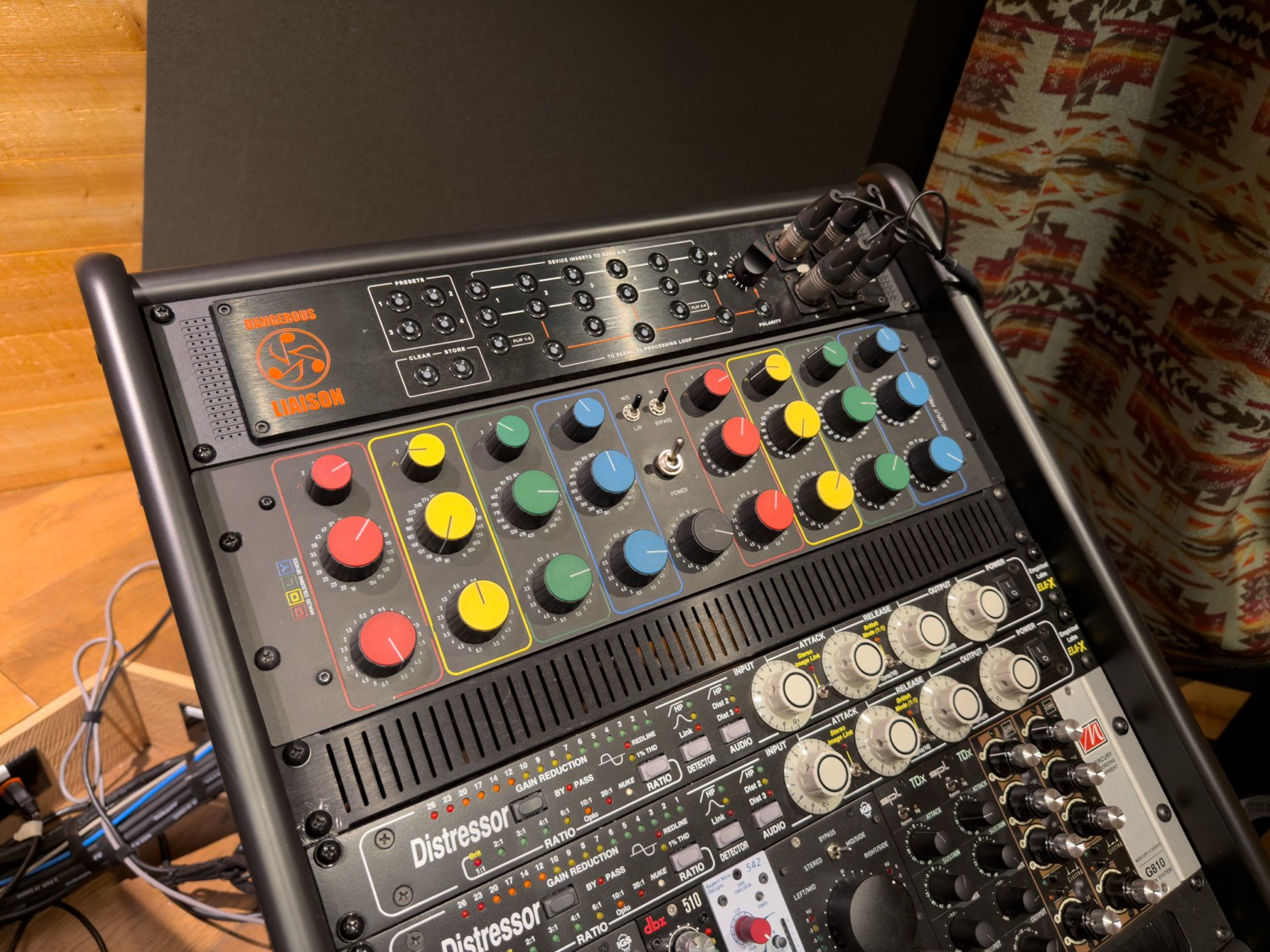
complementary — true opposites at 160° — maximum colour tension.
Opposites maximise simultaneous contrast: each makes the other look more saturated than it measures. Computed in OKLCh, not on an RGB wheel — hue-wheel complements are badly wrong for browns, which is most of this property.
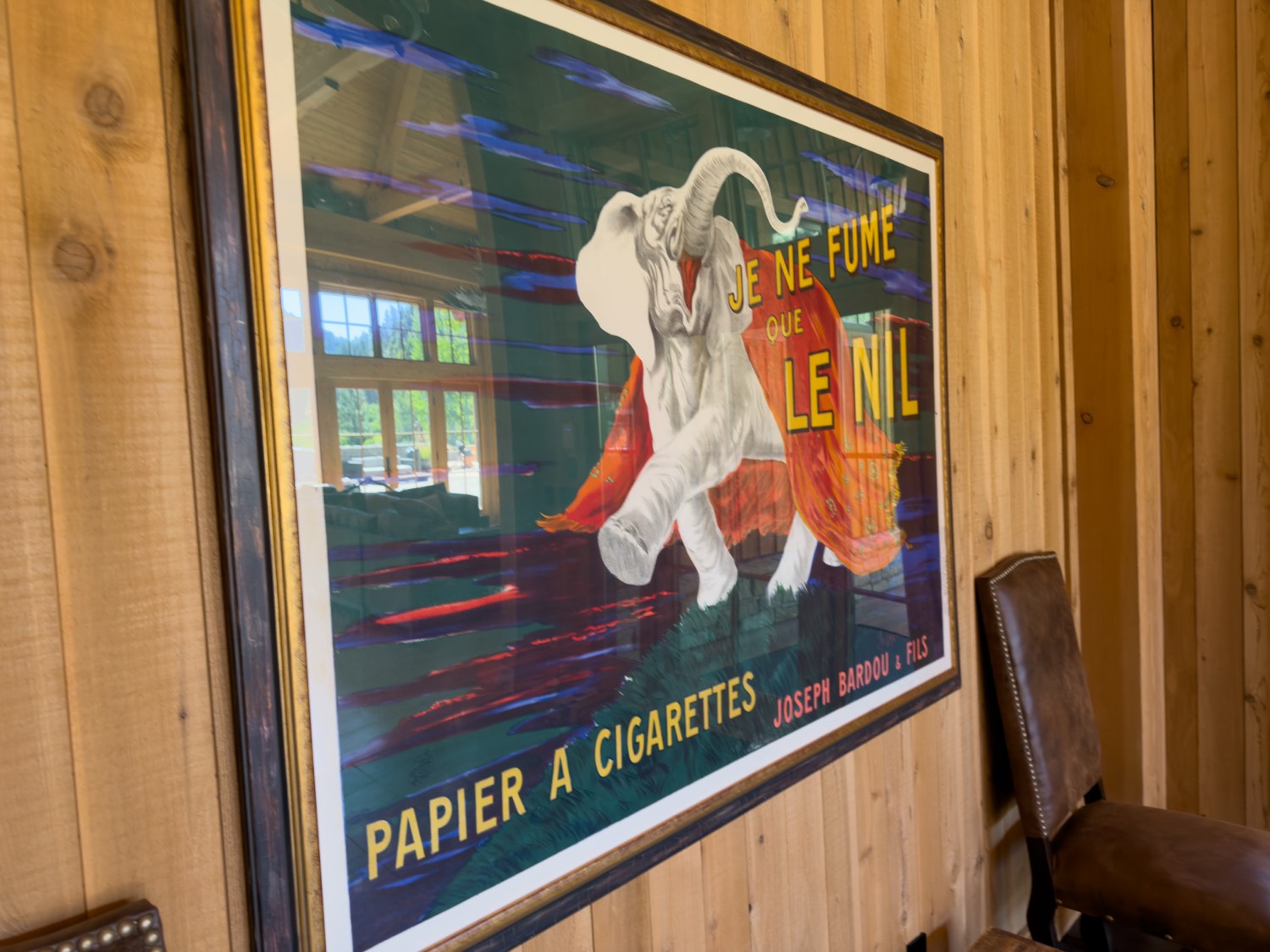
complementary — true opposites at 170° — maximum colour tension.
Opposites maximise simultaneous contrast: each makes the other look more saturated than it measures. Computed in OKLCh, not on an RGB wheel — hue-wheel complements are badly wrong for browns, which is most of this property.
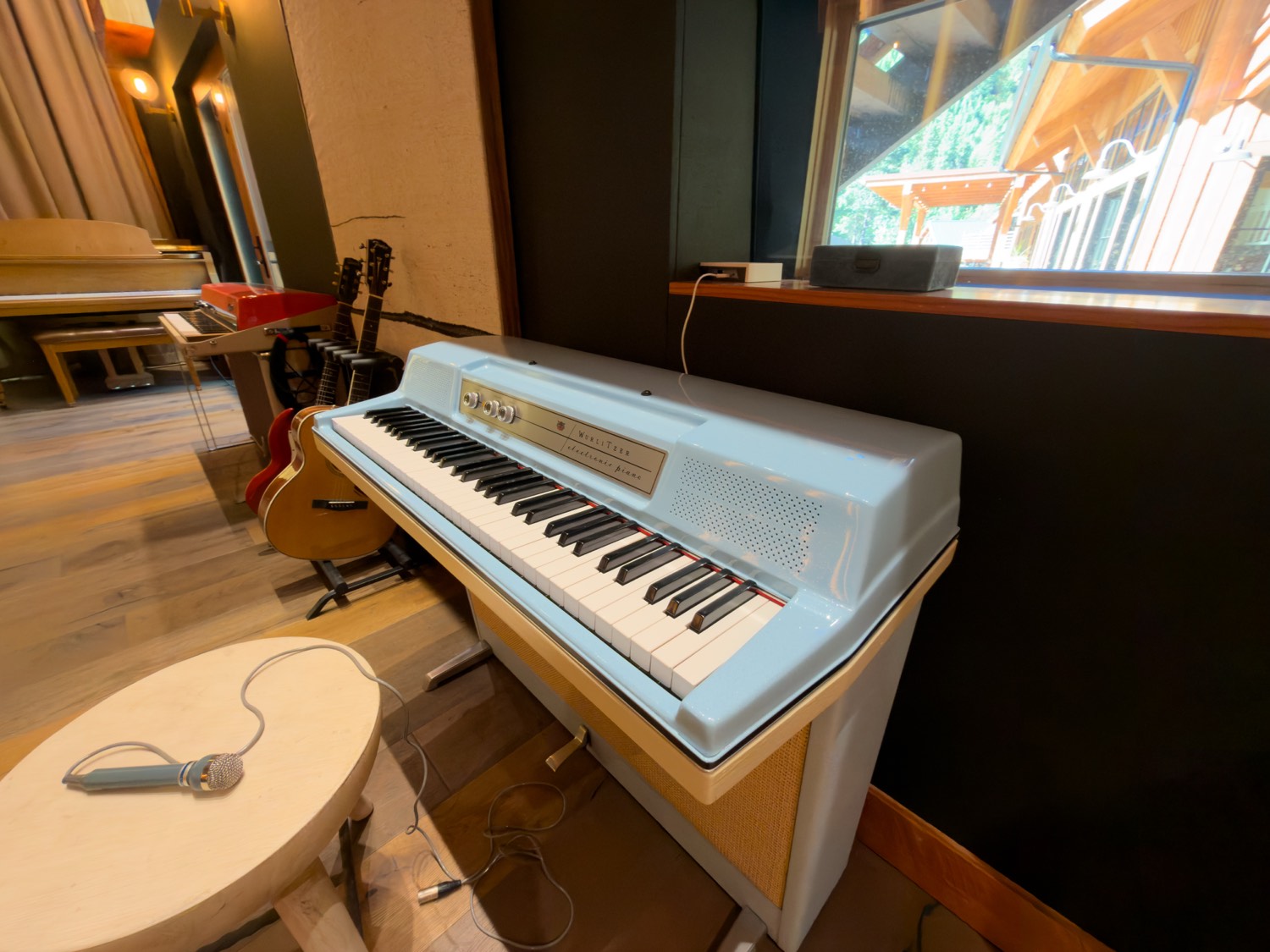
complementary — true opposites at 175° — maximum colour tension.
Opposites maximise simultaneous contrast: each makes the other look more saturated than it measures. Computed in OKLCh, not on an RGB wheel — hue-wheel complements are badly wrong for browns, which is most of this property.
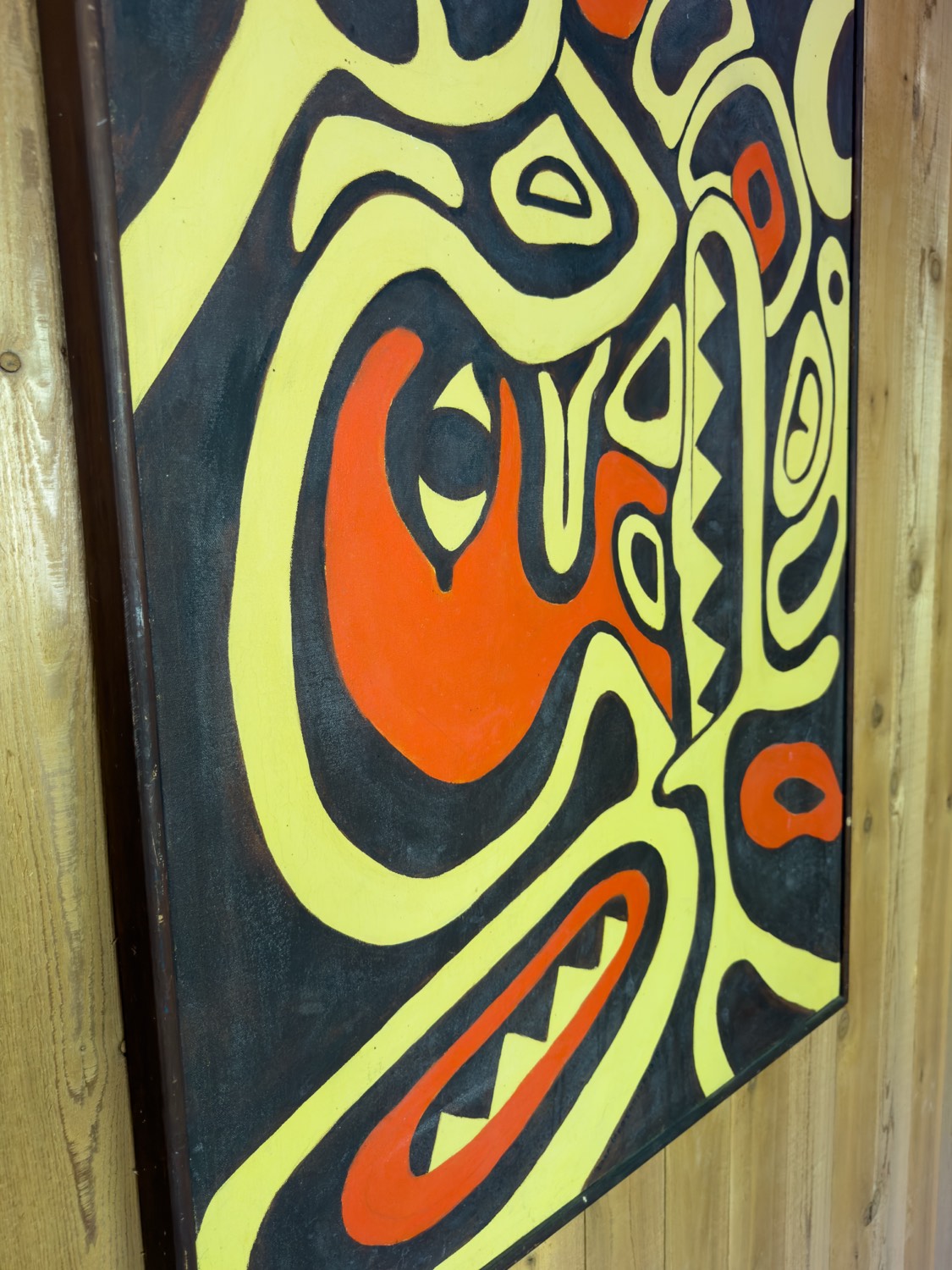
complementary — true opposites at 169° — maximum colour tension.
Opposites maximise simultaneous contrast: each makes the other look more saturated than it measures. Computed in OKLCh, not on an RGB wheel — hue-wheel complements are badly wrong for browns, which is most of this property.
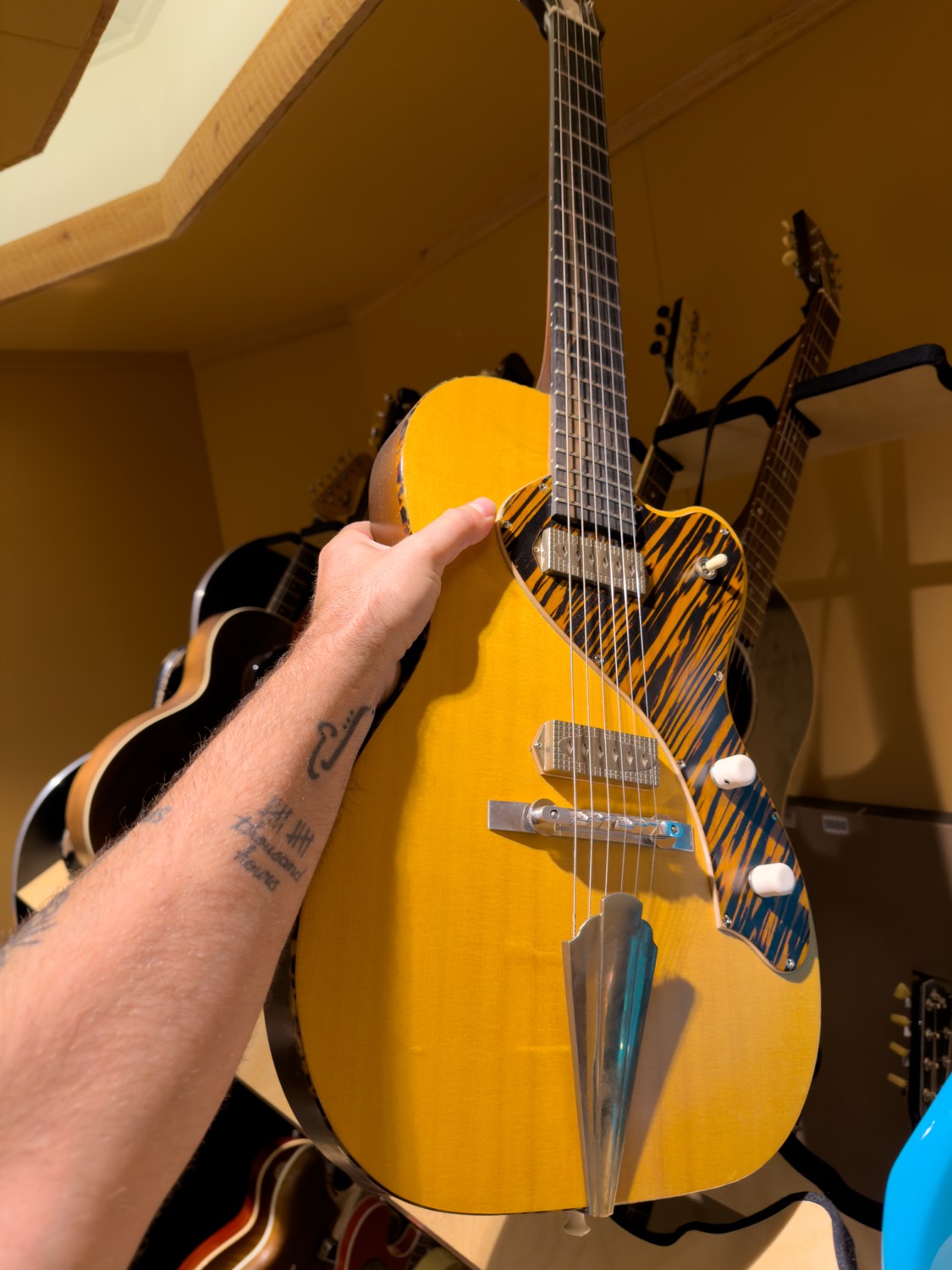
complementary — true opposites at 156° — maximum colour tension.
Opposites maximise simultaneous contrast: each makes the other look more saturated than it measures. Computed in OKLCh, not on an RGB wheel — hue-wheel complements are badly wrong for browns, which is most of this property.
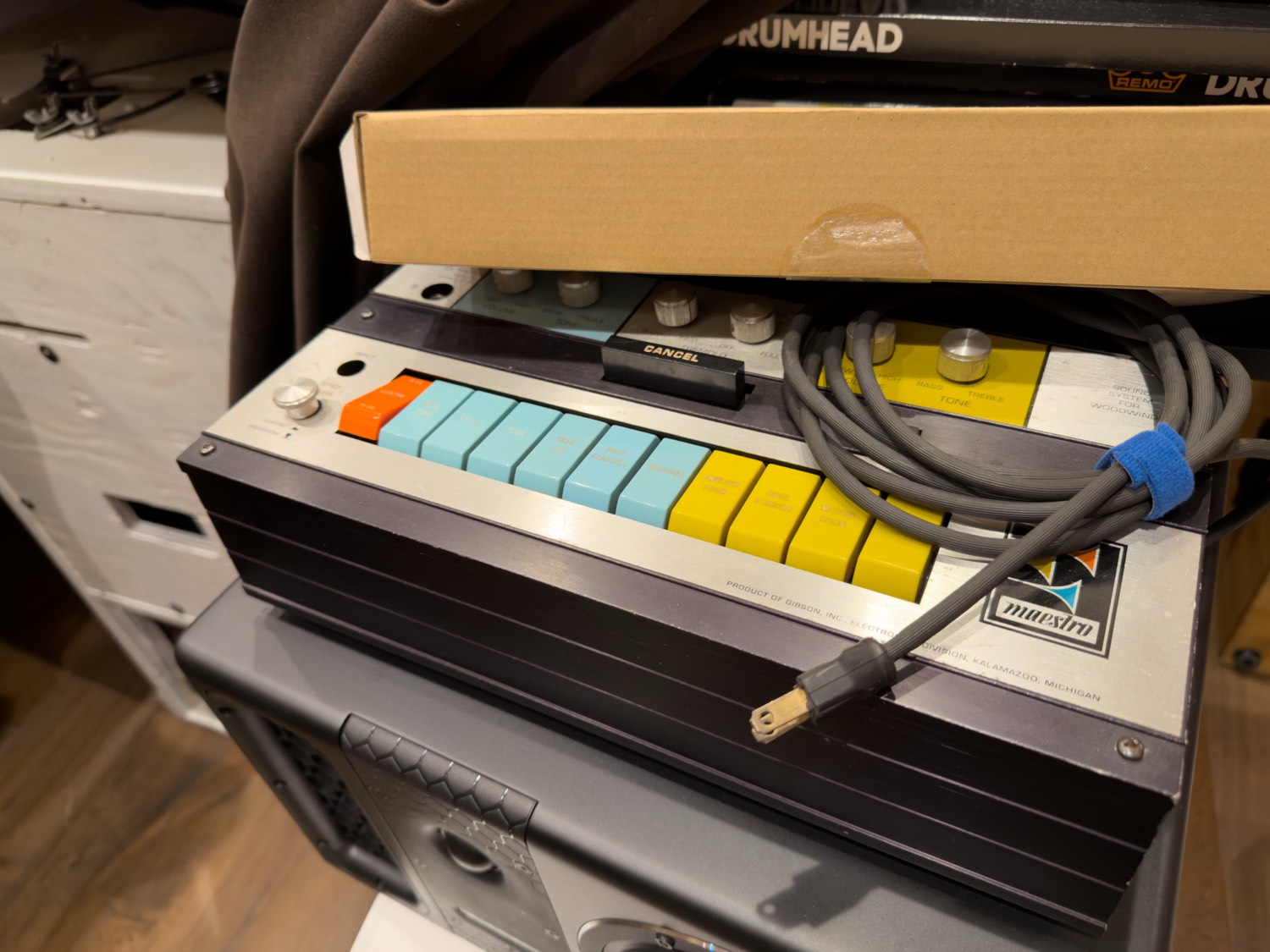
complementary — true opposites at 150° — maximum colour tension.
Opposites maximise simultaneous contrast: each makes the other look more saturated than it measures. Computed in OKLCh, not on an RGB wheel — hue-wheel complements are badly wrong for browns, which is most of this property.
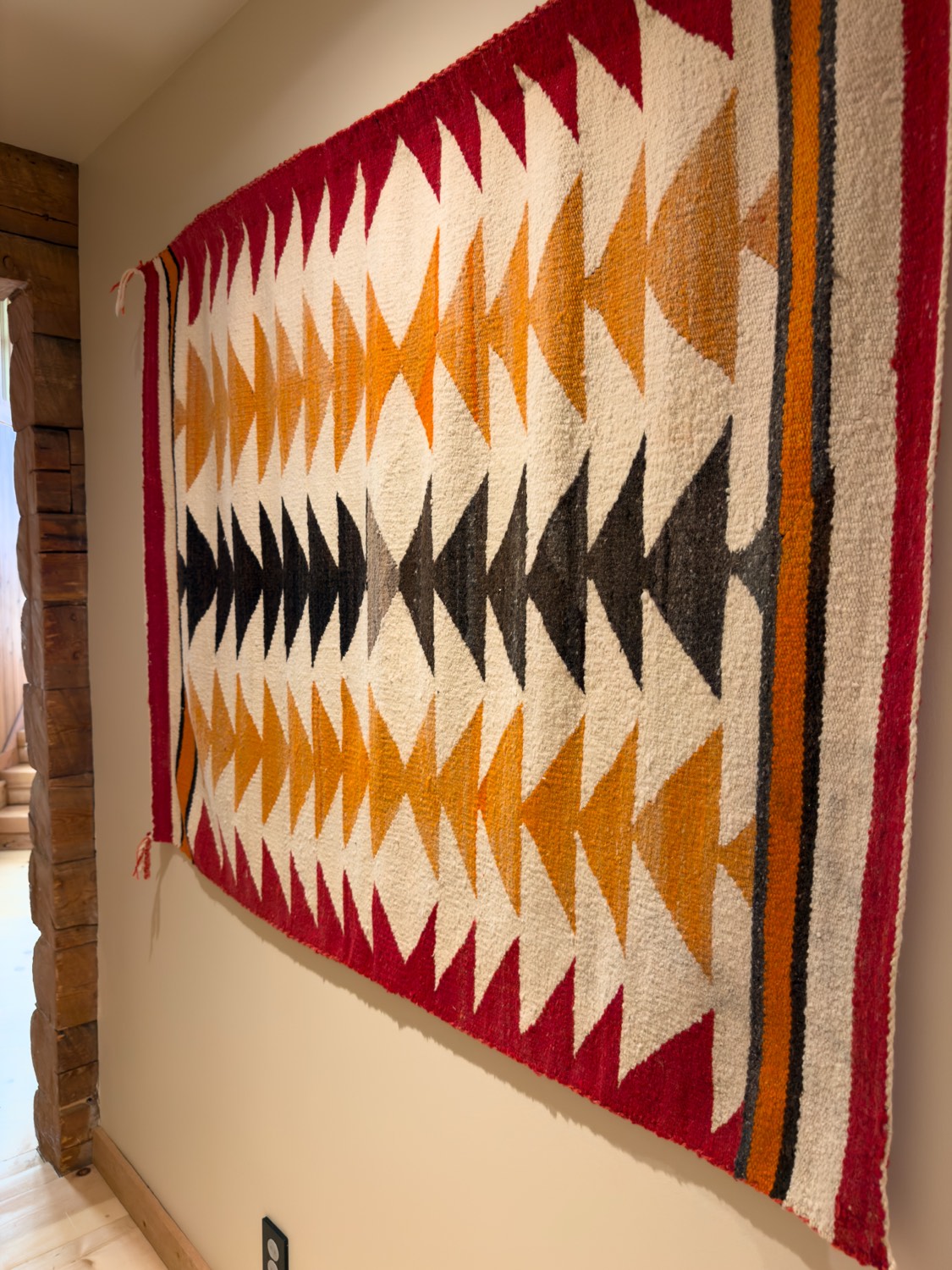
complementary — true opposites at 179° — maximum colour tension.
Opposites maximise simultaneous contrast: each makes the other look more saturated than it measures. Computed in OKLCh, not on an RGB wheel — hue-wheel complements are badly wrong for browns, which is most of this property.
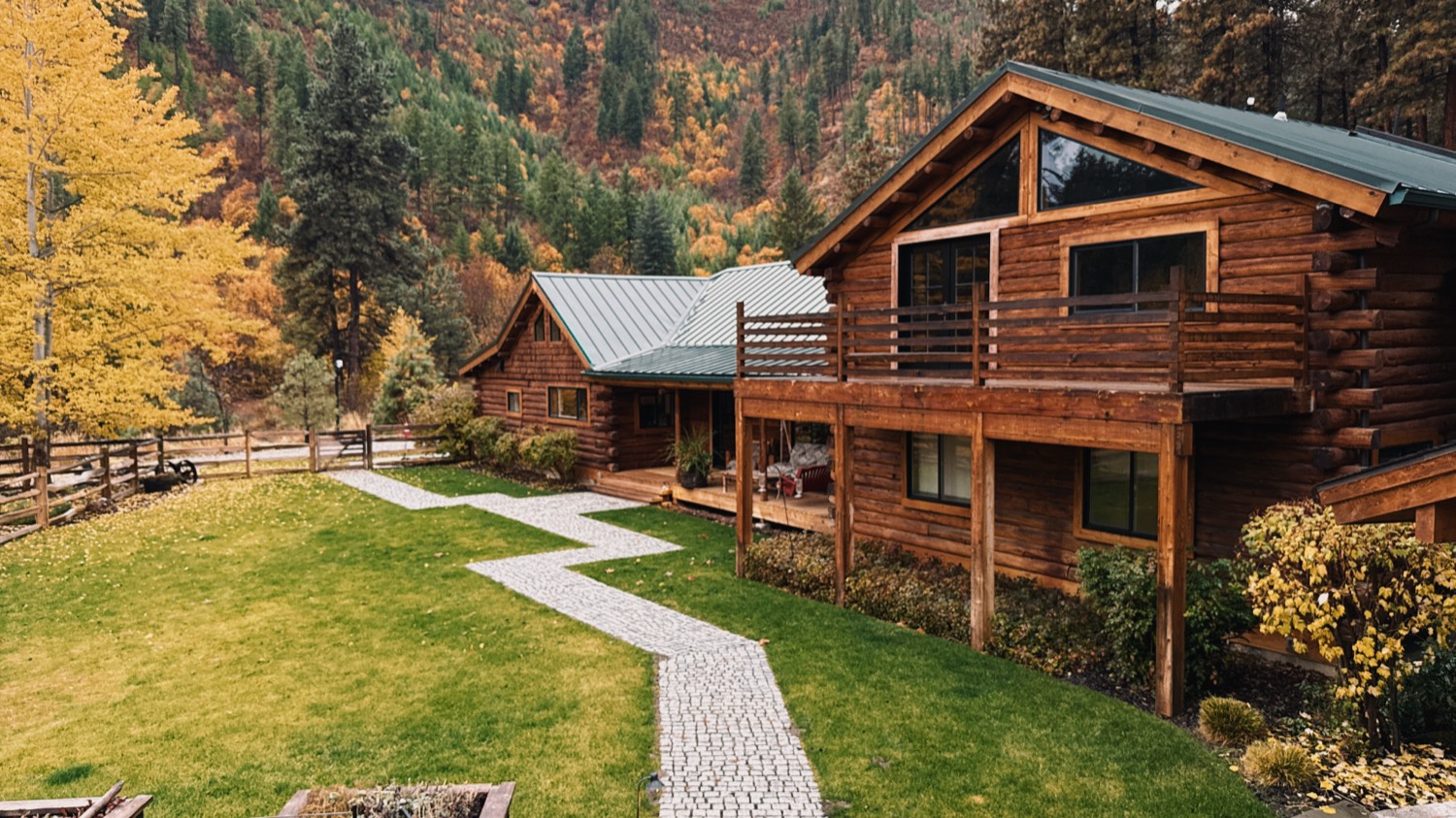
complementary — true opposites at 150° — maximum colour tension.
Opposites maximise simultaneous contrast: each makes the other look more saturated than it measures. Computed in OKLCh, not on an RGB wheel — hue-wheel complements are badly wrong for browns, which is most of this property.
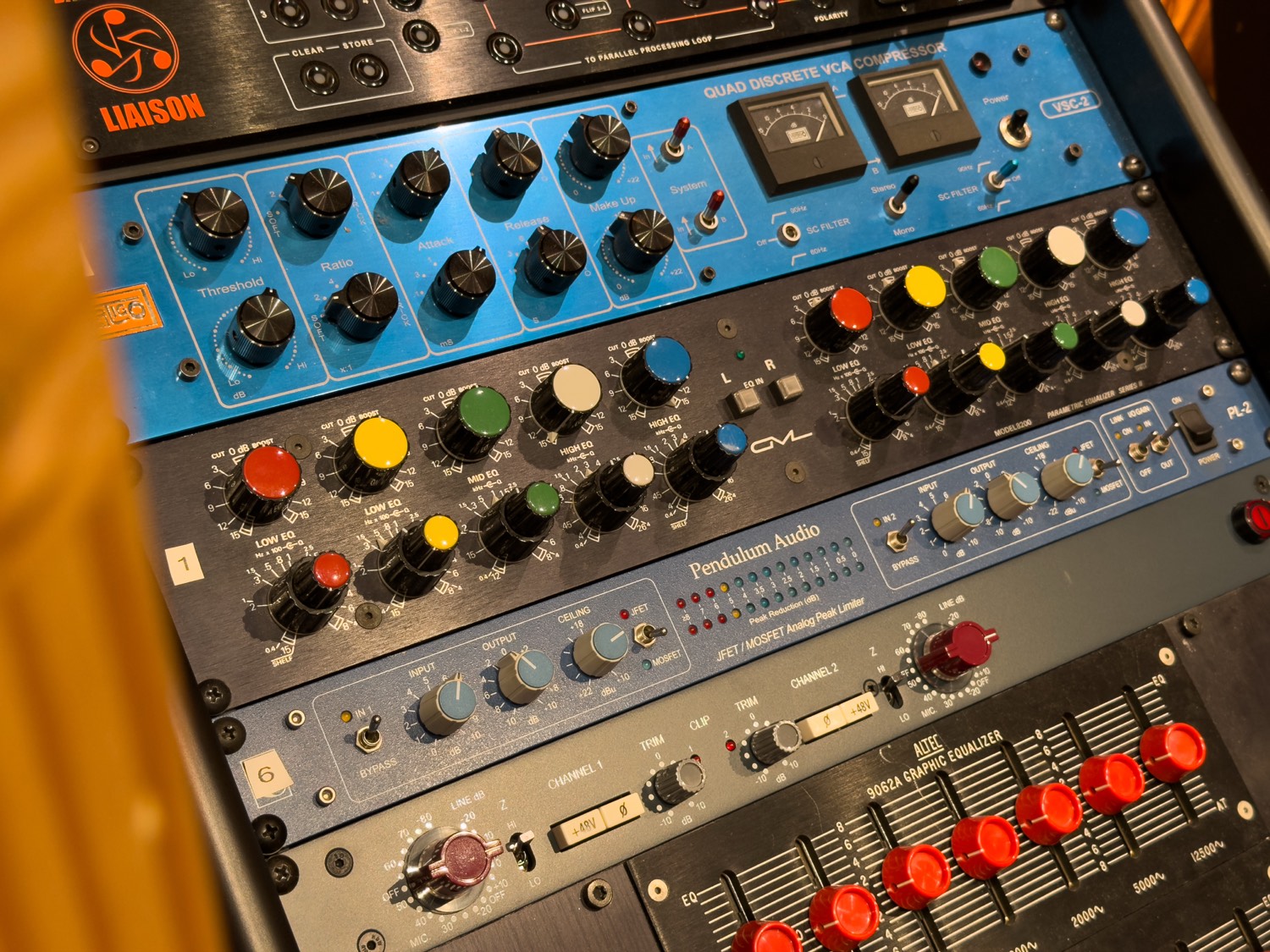
complementary — true opposites at 174° — maximum colour tension.
Opposites maximise simultaneous contrast: each makes the other look more saturated than it measures. Computed in OKLCh, not on an RGB wheel — hue-wheel complements are badly wrong for browns, which is most of this property.
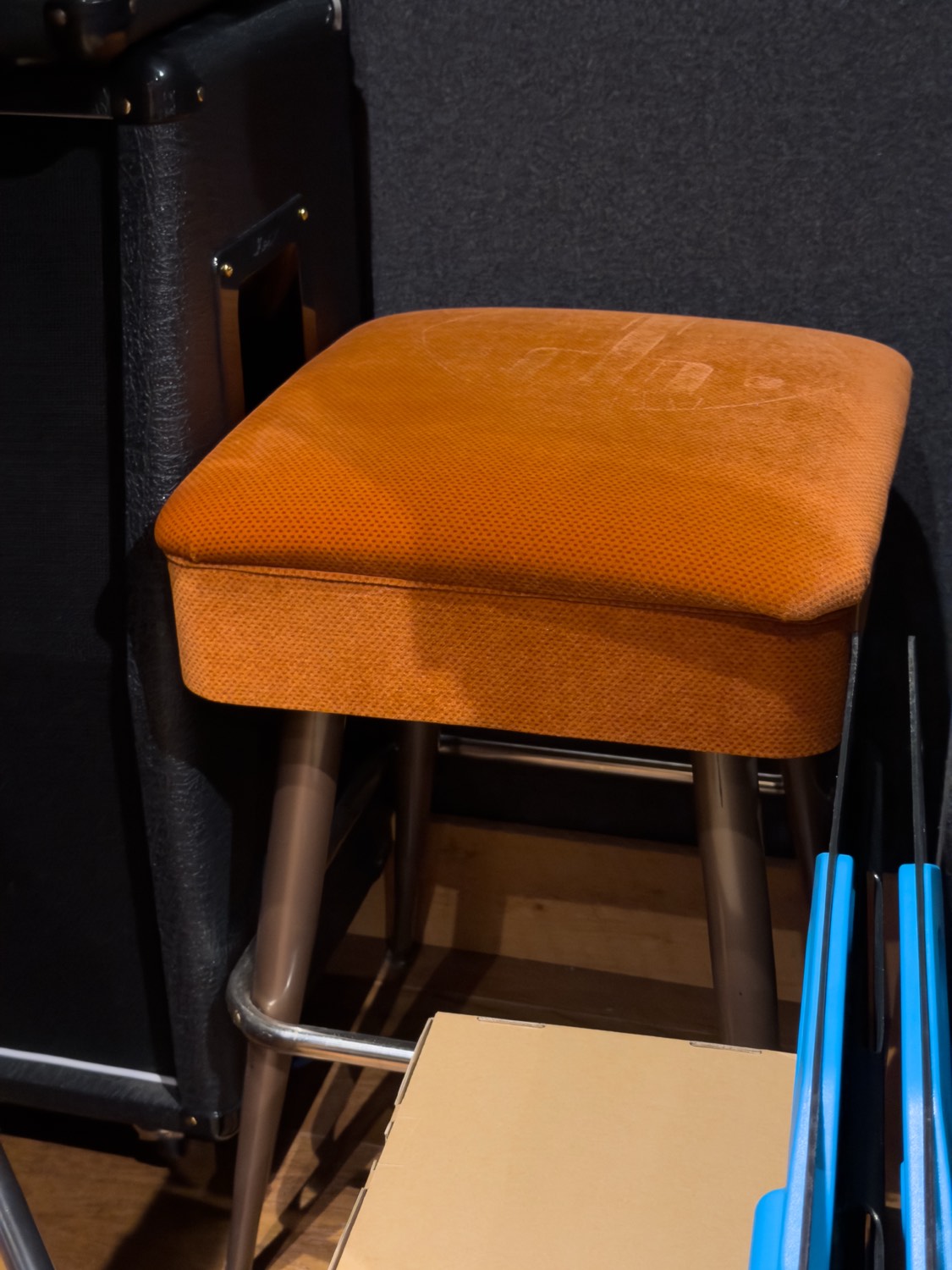
complementary — true opposites at 152° — maximum colour tension.
Opposites maximise simultaneous contrast: each makes the other look more saturated than it measures. Computed in OKLCh, not on an RGB wheel — hue-wheel complements are badly wrong for browns, which is most of this property.
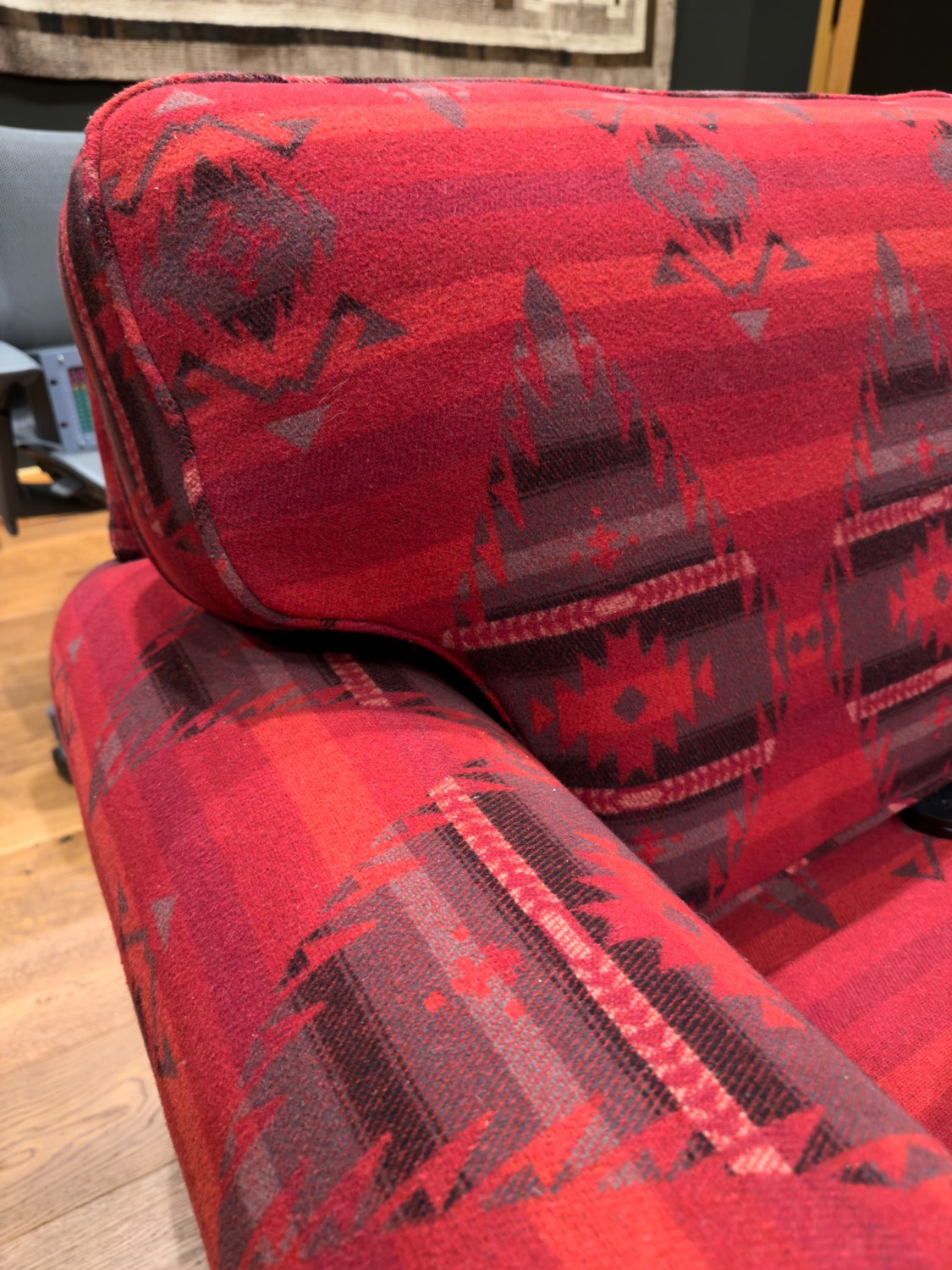
complementary — true opposites at 165° — maximum colour tension.
Opposites maximise simultaneous contrast: each makes the other look more saturated than it measures. Computed in OKLCh, not on an RGB wheel — hue-wheel complements are badly wrong for browns, which is most of this property.
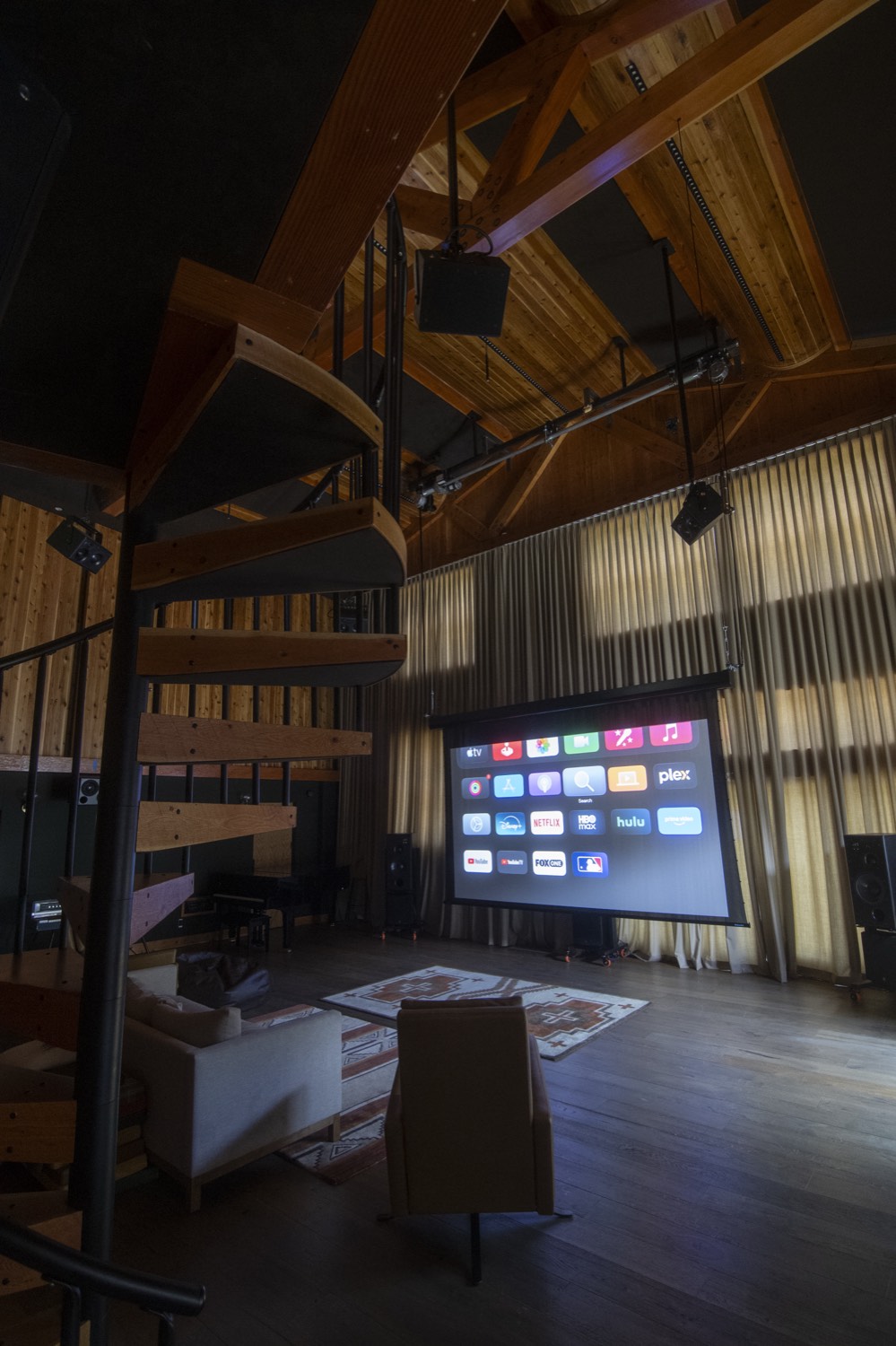
complementary — true opposites at 158° — maximum colour tension.
Opposites maximise simultaneous contrast: each makes the other look more saturated than it measures. Computed in OKLCh, not on an RGB wheel — hue-wheel complements are badly wrong for browns, which is most of this property.
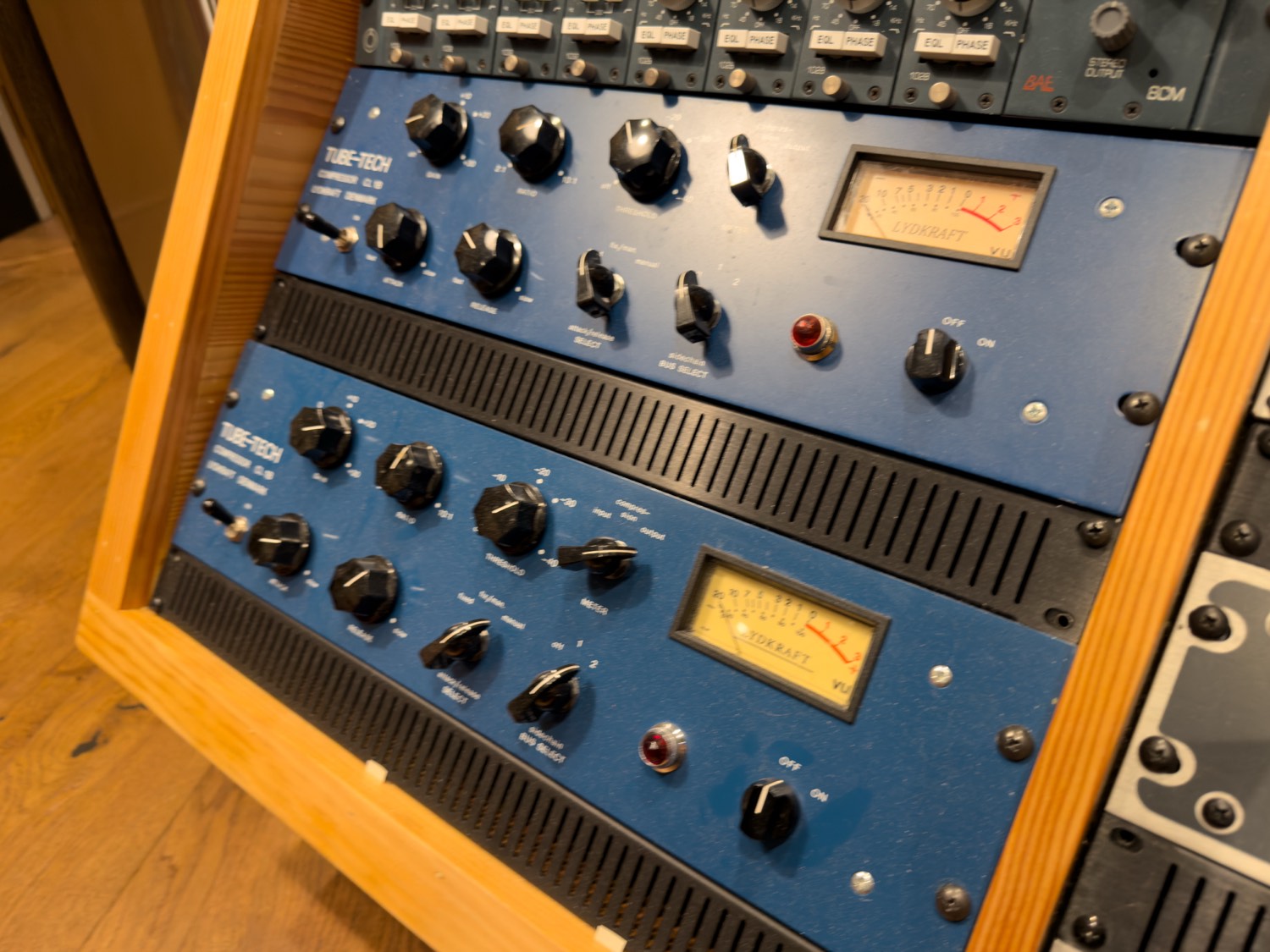
complementary — true opposites at 176° — maximum colour tension.
Opposites maximise simultaneous contrast: each makes the other look more saturated than it measures. Computed in OKLCh, not on an RGB wheel — hue-wheel complements are badly wrong for browns, which is most of this property.
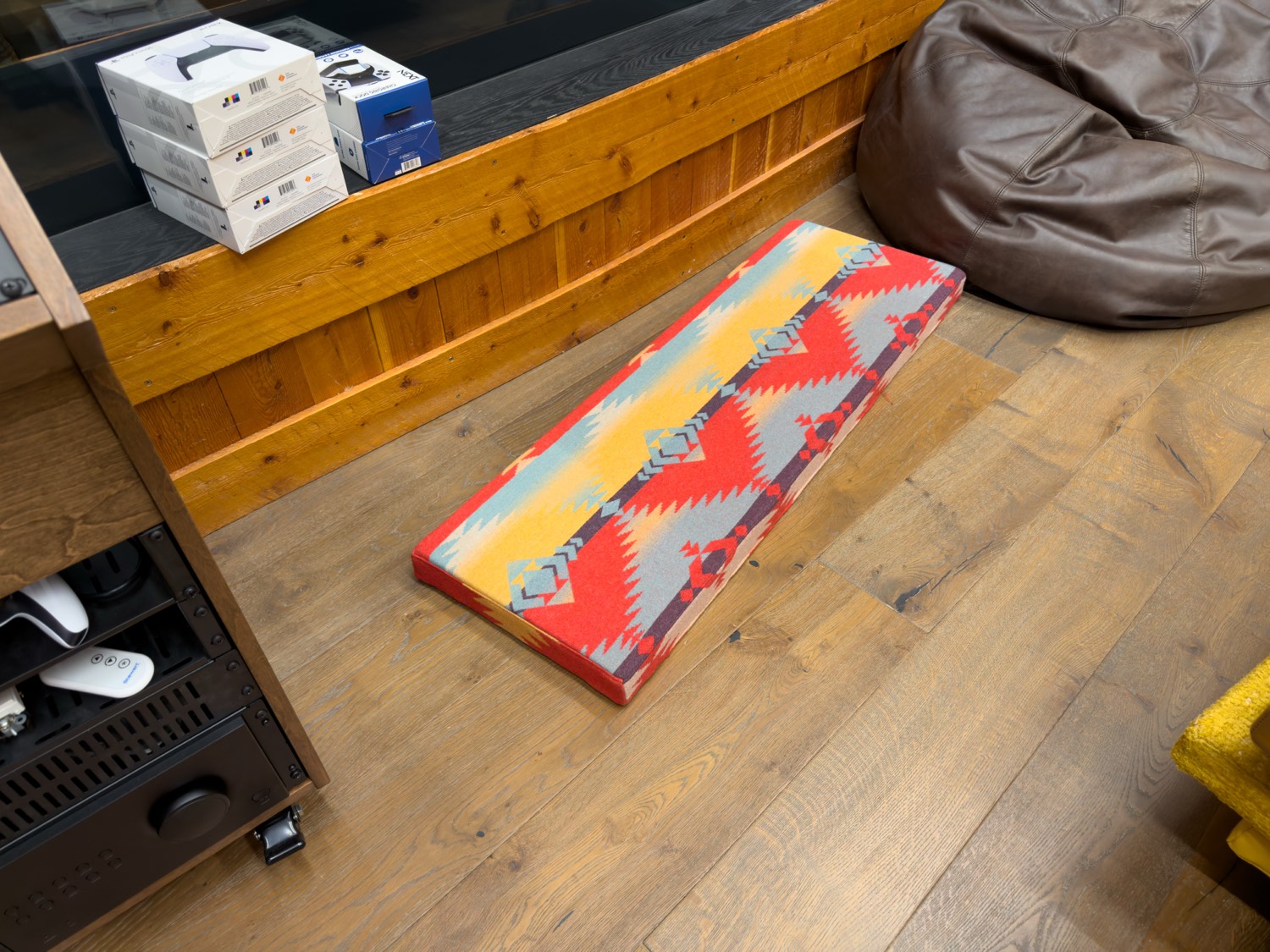
complementary — true opposites at 177° — maximum colour tension.
Opposites maximise simultaneous contrast: each makes the other look more saturated than it measures. Computed in OKLCh, not on an RGB wheel — hue-wheel complements are badly wrong for browns, which is most of this property.
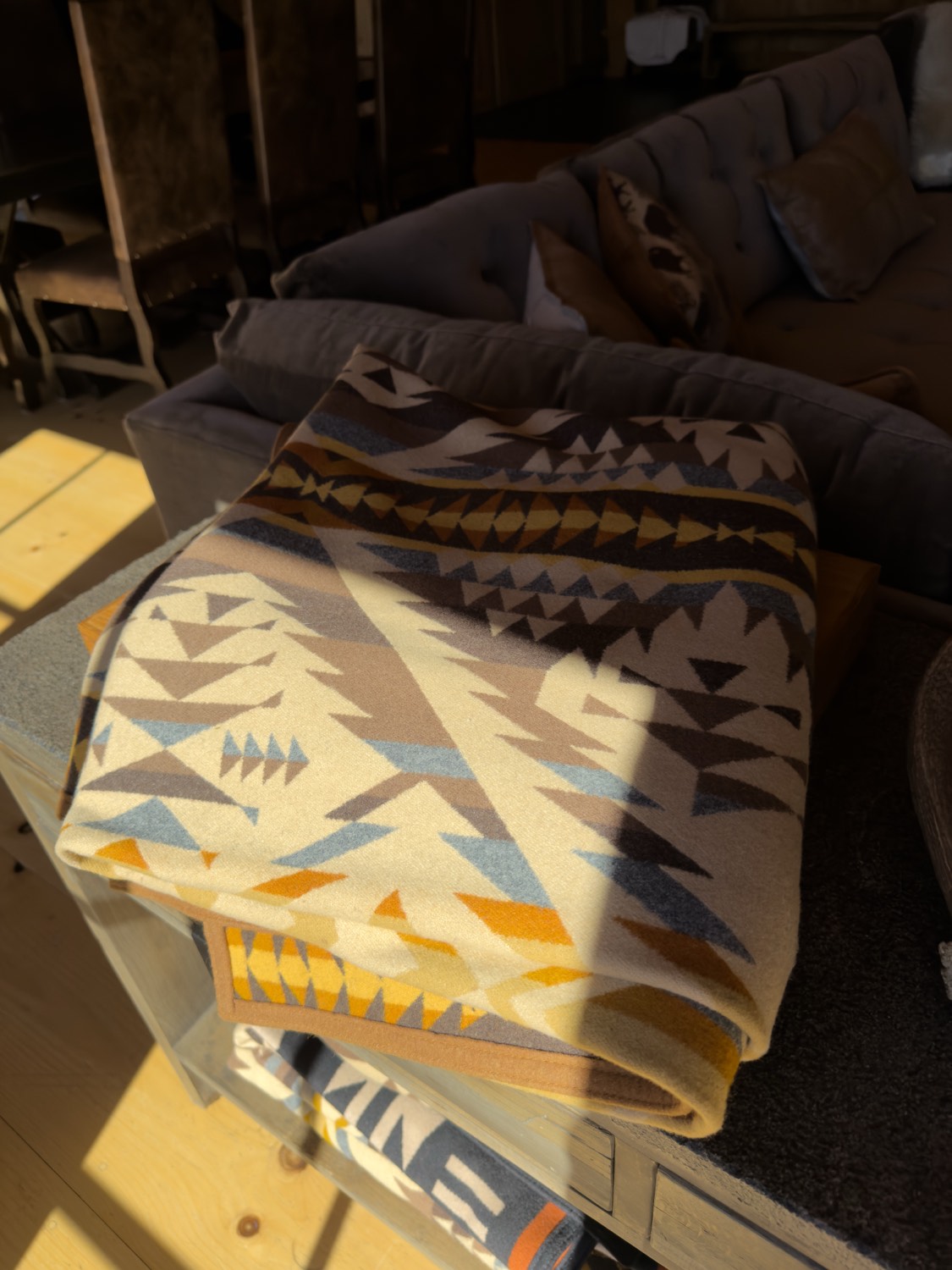
complementary — true opposites at 150° — maximum colour tension.
Opposites maximise simultaneous contrast: each makes the other look more saturated than it measures. Computed in OKLCh, not on an RGB wheel — hue-wheel complements are badly wrong for browns, which is most of this property.
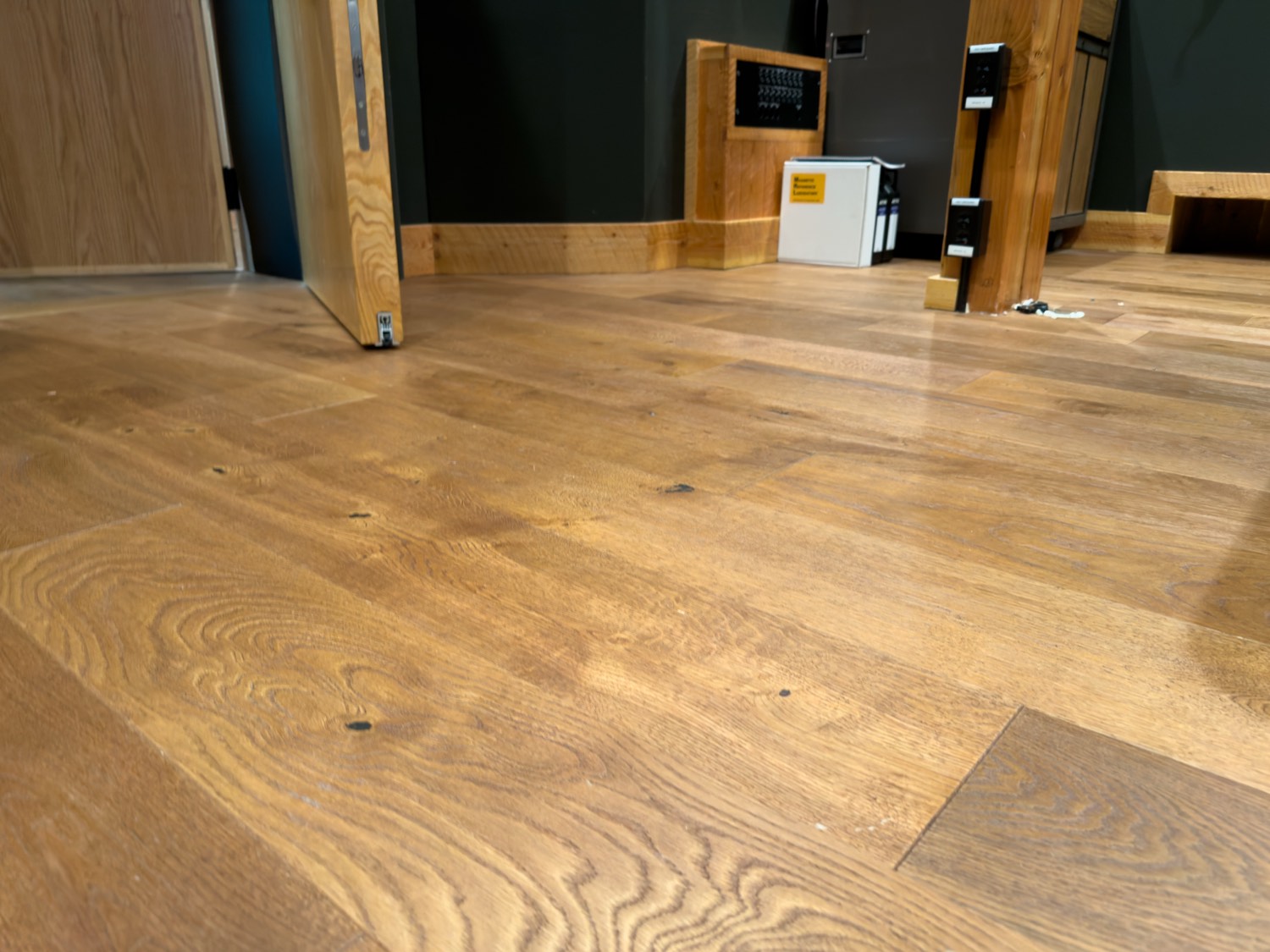
complementary — true opposites at 180° — maximum colour tension.
Opposites maximise simultaneous contrast: each makes the other look more saturated than it measures. Computed in OKLCh, not on an RGB wheel — hue-wheel complements are badly wrong for browns, which is most of this property.
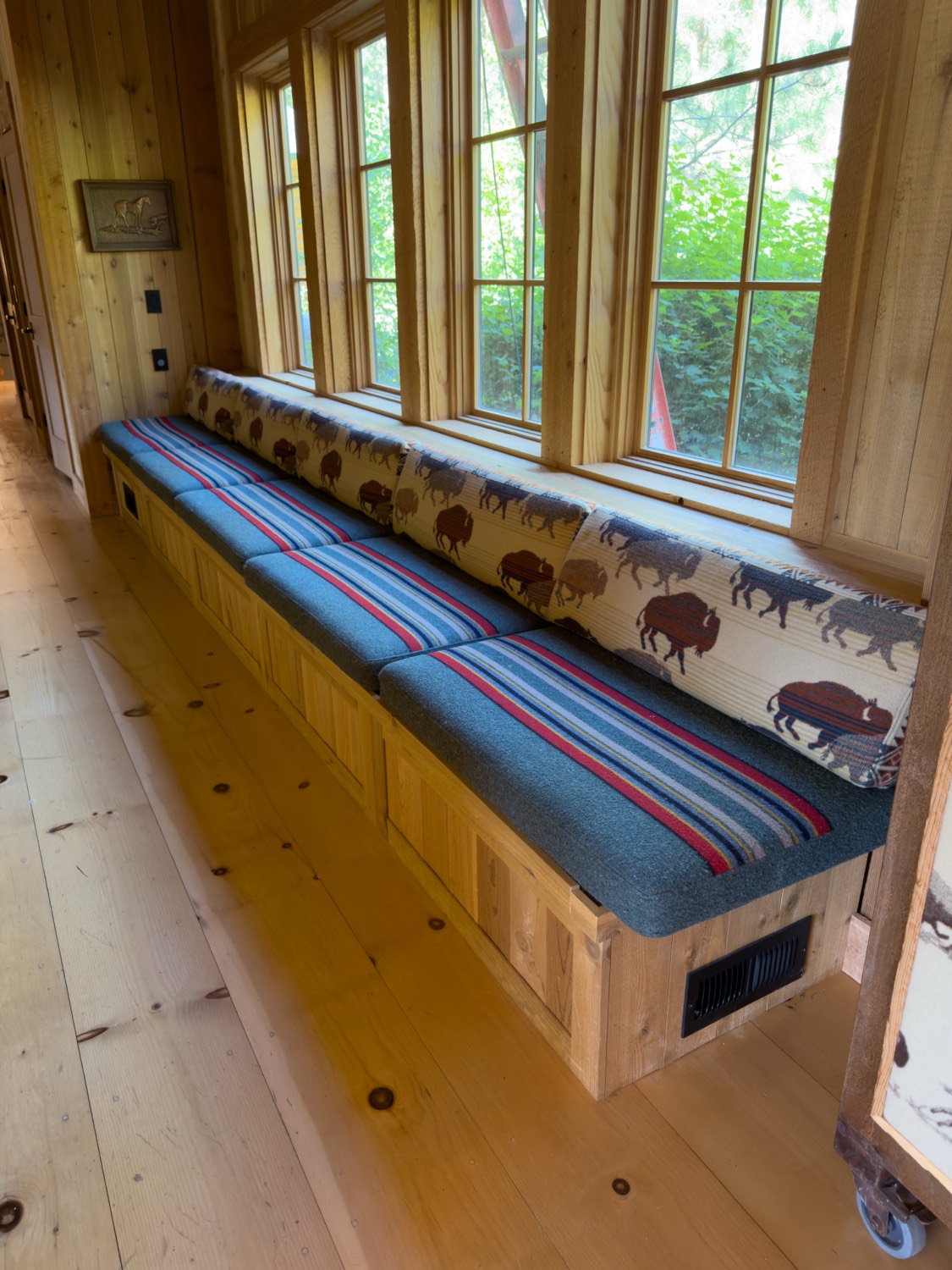
complementary — true opposites at 158° — maximum colour tension.
Opposites maximise simultaneous contrast: each makes the other look more saturated than it measures. Computed in OKLCh, not on an RGB wheel — hue-wheel complements are badly wrong for browns, which is most of this property.
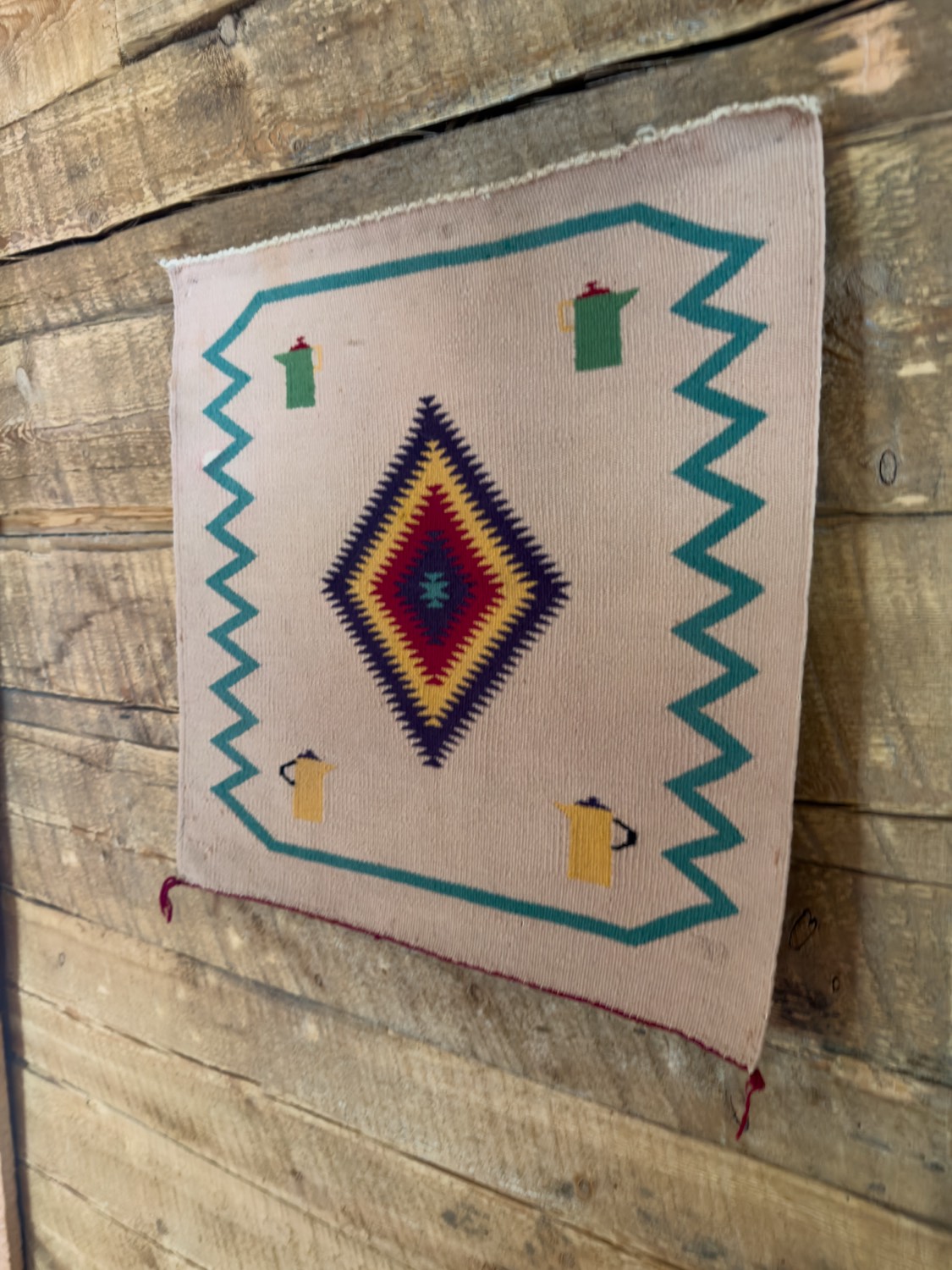
complementary — true opposites at 171° — maximum colour tension.
Opposites maximise simultaneous contrast: each makes the other look more saturated than it measures. Computed in OKLCh, not on an RGB wheel — hue-wheel complements are badly wrong for browns, which is most of this property.
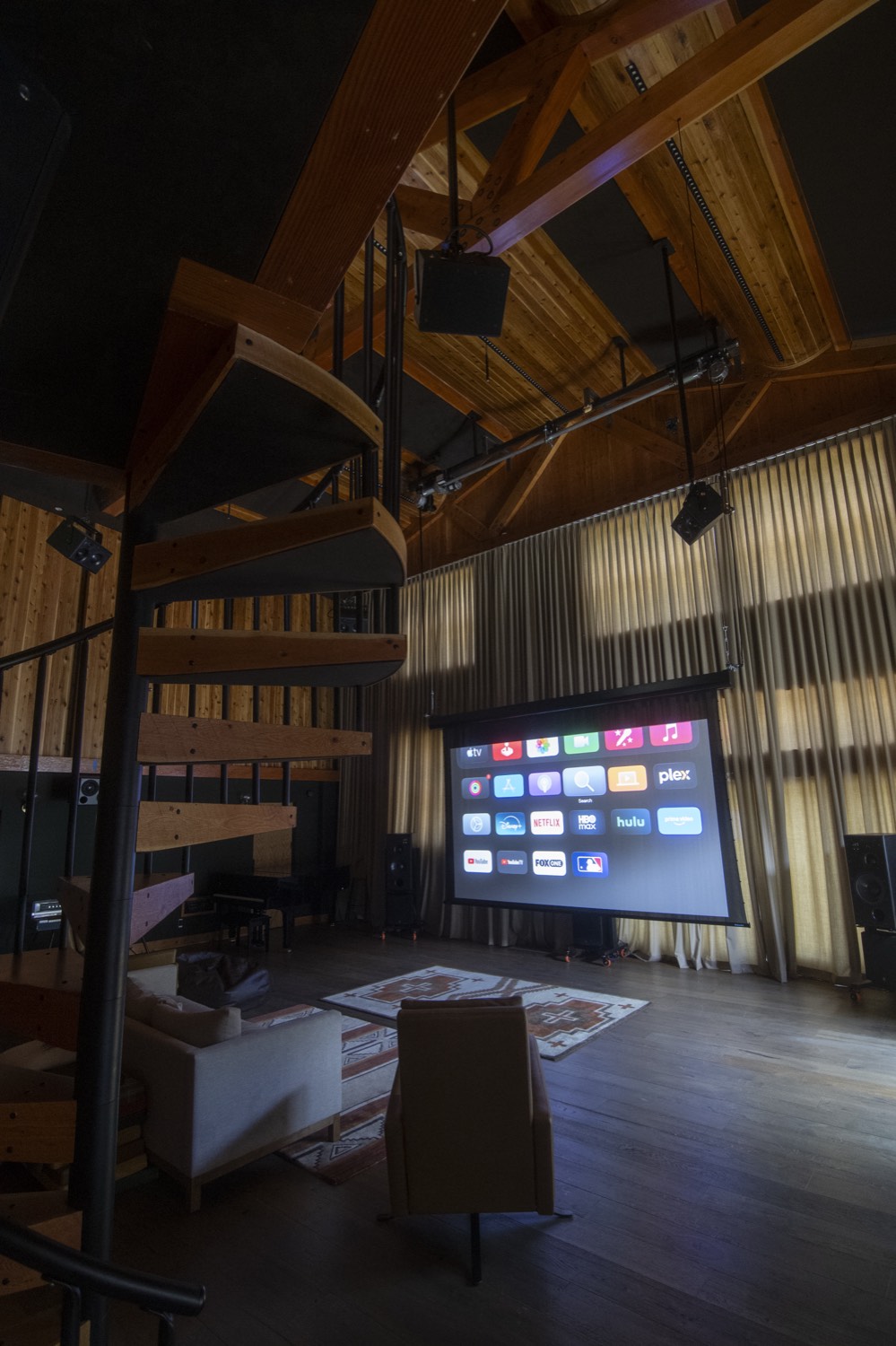
complementary — true opposites at 164° — maximum colour tension.
Opposites maximise simultaneous contrast: each makes the other look more saturated than it measures. Computed in OKLCh, not on an RGB wheel — hue-wheel complements are badly wrong for browns, which is most of this property.
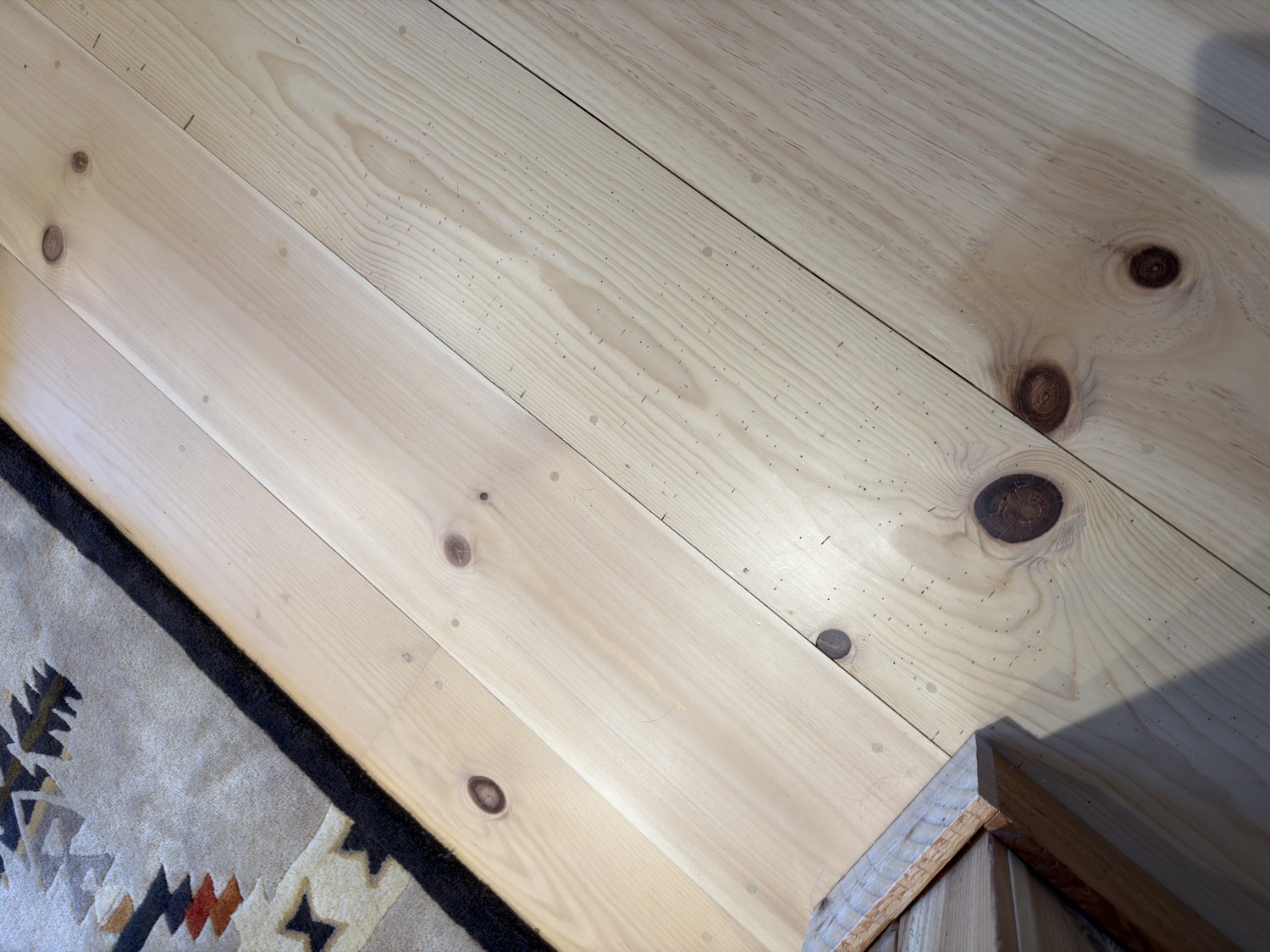
triadic — 122° apart, roughly a third of the wheel — balanced and lively.
Three points evenly spaced stay balanced because no hue dominates. In a two-object pairing you are seeing one leg of that triangle; the room usually supplies the third.
analogous — neighbouring hues only 3° apart, held apart by 0.10 of lightness.
Analogous pairs sit within roughly 30° on the wheel. They cohere by default, so the whole job is lightness separation — without it two neighbours flatten into one mass.
analogous — neighbouring hues only 10° apart, held apart by 0.12 of lightness.
Analogous pairs sit within roughly 30° on the wheel. They cohere by default, so the whole job is lightness separation — without it two neighbours flatten into one mass.
analogous — neighbouring hues only 20° apart, held apart by 0.11 of lightness.
Analogous pairs sit within roughly 30° on the wheel. They cohere by default, so the whole job is lightness separation — without it two neighbours flatten into one mass.
analogous — neighbouring hues only 25° apart, held apart by 0.13 of lightness.
Analogous pairs sit within roughly 30° on the wheel. They cohere by default, so the whole job is lightness separation — without it two neighbours flatten into one mass.
analogous — neighbouring hues only 18° apart, held apart by 0.36 of lightness.
Analogous pairs sit within roughly 30° on the wheel. They cohere by default, so the whole job is lightness separation — without it two neighbours flatten into one mass.
analogous — neighbouring hues only 21° apart, held apart by 0.29 of lightness.
Analogous pairs sit within roughly 30° on the wheel. They cohere by default, so the whole job is lightness separation — without it two neighbours flatten into one mass.
analogous — neighbouring hues only 21° apart, held apart by 0.21 of lightness.
Analogous pairs sit within roughly 30° on the wheel. They cohere by default, so the whole job is lightness separation — without it two neighbours flatten into one mass.
analogous — neighbouring hues only 23° apart, held apart by 0.12 of lightness.
Analogous pairs sit within roughly 30° on the wheel. They cohere by default, so the whole job is lightness separation — without it two neighbours flatten into one mass.
analogous — neighbouring hues only 9° apart, held apart by 0.12 of lightness.
Analogous pairs sit within roughly 30° on the wheel. They cohere by default, so the whole job is lightness separation — without it two neighbours flatten into one mass.
analogous — neighbouring hues only 1° apart, held apart by 0.12 of lightness.
Analogous pairs sit within roughly 30° on the wheel. They cohere by default, so the whole job is lightness separation — without it two neighbours flatten into one mass.
analogous — neighbouring hues only 22° apart, held apart by 0.19 of lightness.
Analogous pairs sit within roughly 30° on the wheel. They cohere by default, so the whole job is lightness separation — without it two neighbours flatten into one mass.
analogous — neighbouring hues only 22° apart, held apart by 0.11 of lightness.
Analogous pairs sit within roughly 30° on the wheel. They cohere by default, so the whole job is lightness separation — without it two neighbours flatten into one mass.
analogous — neighbouring hues only 20° apart, held apart by 0.12 of lightness.
Analogous pairs sit within roughly 30° on the wheel. They cohere by default, so the whole job is lightness separation — without it two neighbours flatten into one mass.
analogous — neighbouring hues only 11° apart, held apart by 0.11 of lightness.
Analogous pairs sit within roughly 30° on the wheel. They cohere by default, so the whole job is lightness separation — without it two neighbours flatten into one mass.
analogous — neighbouring hues only 9° apart, held apart by 0.21 of lightness.
Analogous pairs sit within roughly 30° on the wheel. They cohere by default, so the whole job is lightness separation — without it two neighbours flatten into one mass.
analogous — neighbouring hues only 8° apart, held apart by 0.18 of lightness.
Analogous pairs sit within roughly 30° on the wheel. They cohere by default, so the whole job is lightness separation — without it two neighbours flatten into one mass.
analogous — neighbouring hues only 11° apart, held apart by 0.14 of lightness.
Analogous pairs sit within roughly 30° on the wheel. They cohere by default, so the whole job is lightness separation — without it two neighbours flatten into one mass.
analogous — neighbouring hues only 20° apart, held apart by 0.22 of lightness.
Analogous pairs sit within roughly 30° on the wheel. They cohere by default, so the whole job is lightness separation — without it two neighbours flatten into one mass.
analogous — neighbouring hues only 22° apart, held apart by 0.19 of lightness.
Analogous pairs sit within roughly 30° on the wheel. They cohere by default, so the whole job is lightness separation — without it two neighbours flatten into one mass.
analogous — neighbouring hues only 22° apart, held apart by 0.24 of lightness.
Analogous pairs sit within roughly 30° on the wheel. They cohere by default, so the whole job is lightness separation — without it two neighbours flatten into one mass.
analogous — neighbouring hues only 10° apart, held apart by 0.11 of lightness.
Analogous pairs sit within roughly 30° on the wheel. They cohere by default, so the whole job is lightness separation — without it two neighbours flatten into one mass.
analogous — neighbouring hues only 0° apart, held apart by 0.13 of lightness.
Analogous pairs sit within roughly 30° on the wheel. They cohere by default, so the whole job is lightness separation — without it two neighbours flatten into one mass.
analogous — neighbouring hues only 11° apart, held apart by 0.21 of lightness.
Analogous pairs sit within roughly 30° on the wheel. They cohere by default, so the whole job is lightness separation — without it two neighbours flatten into one mass.
analogous — neighbouring hues only 25° apart, held apart by 0.13 of lightness.
Analogous pairs sit within roughly 30° on the wheel. They cohere by default, so the whole job is lightness separation — without it two neighbours flatten into one mass.
analogous — neighbouring hues only 17° apart, held apart by 0.31 of lightness.
Analogous pairs sit within roughly 30° on the wheel. They cohere by default, so the whole job is lightness separation — without it two neighbours flatten into one mass.
analogous — neighbouring hues only 24° apart, held apart by 0.26 of lightness.
Analogous pairs sit within roughly 30° on the wheel. They cohere by default, so the whole job is lightness separation — without it two neighbours flatten into one mass.
analogous — neighbouring hues only 4° apart, held apart by 0.13 of lightness.
Analogous pairs sit within roughly 30° on the wheel. They cohere by default, so the whole job is lightness separation — without it two neighbours flatten into one mass.
Red Room · fixed wall — bring things to it
analogous — neighbouring hues only 5° apart, held apart by 0.11 of lightness.
Analogous pairs sit within roughly 30° on the wheel. They cohere by default, so the whole job is lightness separation — without it two neighbours flatten into one mass.
analogous — neighbouring hues only 24° apart, held apart by 0.18 of lightness.
Analogous pairs sit within roughly 30° on the wheel. They cohere by default, so the whole job is lightness separation — without it two neighbours flatten into one mass.
analogous — neighbouring hues only 24° apart, held apart by 0.17 of lightness.
Analogous pairs sit within roughly 30° on the wheel. They cohere by default, so the whole job is lightness separation — without it two neighbours flatten into one mass.
analogous — neighbouring hues only 24° apart, held apart by 0.15 of lightness.
Analogous pairs sit within roughly 30° on the wheel. They cohere by default, so the whole job is lightness separation — without it two neighbours flatten into one mass.
analogous — neighbouring hues only 15° apart, held apart by 0.12 of lightness.
Analogous pairs sit within roughly 30° on the wheel. They cohere by default, so the whole job is lightness separation — without it two neighbours flatten into one mass.
analogous — neighbouring hues only 25° apart, held apart by 0.10 of lightness.
Analogous pairs sit within roughly 30° on the wheel. They cohere by default, so the whole job is lightness separation — without it two neighbours flatten into one mass.
analogous — neighbouring hues only 17° apart, held apart by 0.32 of lightness.
Analogous pairs sit within roughly 30° on the wheel. They cohere by default, so the whole job is lightness separation — without it two neighbours flatten into one mass.
analogous — neighbouring hues only 13° apart, held apart by 0.25 of lightness.
Analogous pairs sit within roughly 30° on the wheel. They cohere by default, so the whole job is lightness separation — without it two neighbours flatten into one mass.
analogous — neighbouring hues only 6° apart, held apart by 0.11 of lightness.
Analogous pairs sit within roughly 30° on the wheel. They cohere by default, so the whole job is lightness separation — without it two neighbours flatten into one mass.
analogous — neighbouring hues only 10° apart, held apart by 0.20 of lightness.
Analogous pairs sit within roughly 30° on the wheel. They cohere by default, so the whole job is lightness separation — without it two neighbours flatten into one mass.
analogous — neighbouring hues only 11° apart, held apart by 0.13 of lightness.
Analogous pairs sit within roughly 30° on the wheel. They cohere by default, so the whole job is lightness separation — without it two neighbours flatten into one mass.
analogous — neighbouring hues only 12° apart, held apart by 0.17 of lightness.
Analogous pairs sit within roughly 30° on the wheel. They cohere by default, so the whole job is lightness separation — without it two neighbours flatten into one mass.
analogous — neighbouring hues only 18° apart, held apart by 0.33 of lightness.
Analogous pairs sit within roughly 30° on the wheel. They cohere by default, so the whole job is lightness separation — without it two neighbours flatten into one mass.
analogous — neighbouring hues only 3° apart, held apart by 0.18 of lightness.
Analogous pairs sit within roughly 30° on the wheel. They cohere by default, so the whole job is lightness separation — without it two neighbours flatten into one mass.
analogous — neighbouring hues only 6° apart, held apart by 0.12 of lightness.
Analogous pairs sit within roughly 30° on the wheel. They cohere by default, so the whole job is lightness separation — without it two neighbours flatten into one mass.
analogous — neighbouring hues only 24° apart, held apart by 0.15 of lightness.
Analogous pairs sit within roughly 30° on the wheel. They cohere by default, so the whole job is lightness separation — without it two neighbours flatten into one mass.
analogous — neighbouring hues only 7° apart, held apart by 0.14 of lightness.
Analogous pairs sit within roughly 30° on the wheel. They cohere by default, so the whole job is lightness separation — without it two neighbours flatten into one mass.
analogous — neighbouring hues only 3° apart, held apart by 0.15 of lightness.
Analogous pairs sit within roughly 30° on the wheel. They cohere by default, so the whole job is lightness separation — without it two neighbours flatten into one mass.
neutral ground — one side is effectively colourless and the other carries real chroma (0.14), so it grounds rather than competes, with 0.59 of lightness between them.
A near-neutral has no hue to argue with, so it reads as a ground. Contrast has to come from lightness instead — below about 0.20 apart in OKLab the pair just looks dirty.
neutral ground — one side is effectively colourless and the other carries real chroma (0.10), so it grounds rather than competes, with 0.48 of lightness between them.
A near-neutral has no hue to argue with, so it reads as a ground. Contrast has to come from lightness instead — below about 0.20 apart in OKLab the pair just looks dirty.
neutral ground — one side is effectively colourless and the other carries real chroma (0.09), so it grounds rather than competes, with 0.45 of lightness between them.
A near-neutral has no hue to argue with, so it reads as a ground. Contrast has to come from lightness instead — below about 0.20 apart in OKLab the pair just looks dirty.
neutral ground — one side is effectively colourless and the other carries real chroma (0.14), so it grounds rather than competes, with 0.41 of lightness between them.
A near-neutral has no hue to argue with, so it reads as a ground. Contrast has to come from lightness instead — below about 0.20 apart in OKLab the pair just looks dirty.
neutral ground — one side is effectively colourless and the other carries real chroma (0.08), so it grounds rather than competes, with 0.32 of lightness between them.
A near-neutral has no hue to argue with, so it reads as a ground. Contrast has to come from lightness instead — below about 0.20 apart in OKLab the pair just looks dirty.
neutral ground — one side is effectively colourless and the other carries real chroma (0.10), so it grounds rather than competes, with 0.30 of lightness between them.
A near-neutral has no hue to argue with, so it reads as a ground. Contrast has to come from lightness instead — below about 0.20 apart in OKLab the pair just looks dirty.
neutral ground — one side is effectively colourless and the other carries real chroma (0.14), so it grounds rather than competes, with 0.28 of lightness between them.
A near-neutral has no hue to argue with, so it reads as a ground. Contrast has to come from lightness instead — below about 0.20 apart in OKLab the pair just looks dirty.
neutral ground — one side is effectively colourless and the other carries real chroma (0.14), so it grounds rather than competes, with 0.41 of lightness between them.
A near-neutral has no hue to argue with, so it reads as a ground. Contrast has to come from lightness instead — below about 0.20 apart in OKLab the pair just looks dirty.
neutral ground — one side is effectively colourless and the other carries real chroma (0.12), so it grounds rather than competes, with 0.40 of lightness between them.
A near-neutral has no hue to argue with, so it reads as a ground. Contrast has to come from lightness instead — below about 0.20 apart in OKLab the pair just looks dirty.
neutral ground — one side is effectively colourless and the other carries real chroma (0.10), so it grounds rather than competes, with 0.38 of lightness between them.
A near-neutral has no hue to argue with, so it reads as a ground. Contrast has to come from lightness instead — below about 0.20 apart in OKLab the pair just looks dirty.
neutral ground — one side is effectively colourless and the other carries real chroma (0.09), so it grounds rather than competes, with 0.36 of lightness between them.
A near-neutral has no hue to argue with, so it reads as a ground. Contrast has to come from lightness instead — below about 0.20 apart in OKLab the pair just looks dirty.
neutral ground — one side is effectively colourless and the other carries real chroma (0.12), so it grounds rather than competes, with 0.36 of lightness between them.
A near-neutral has no hue to argue with, so it reads as a ground. Contrast has to come from lightness instead — below about 0.20 apart in OKLab the pair just looks dirty.
neutral ground — one side is effectively colourless and the other carries real chroma (0.12), so it grounds rather than competes, with 0.34 of lightness between them.
A near-neutral has no hue to argue with, so it reads as a ground. Contrast has to come from lightness instead — below about 0.20 apart in OKLab the pair just looks dirty.
neutral ground — one side is effectively colourless and the other carries real chroma (0.08), so it grounds rather than competes, with 0.26 of lightness between them.
A near-neutral has no hue to argue with, so it reads as a ground. Contrast has to come from lightness instead — below about 0.20 apart in OKLab the pair just looks dirty.
neutral ground — one side is effectively colourless and the other carries real chroma (0.15), so it grounds rather than competes, with 0.21 of lightness between them.
A near-neutral has no hue to argue with, so it reads as a ground. Contrast has to come from lightness instead — below about 0.20 apart in OKLab the pair just looks dirty.
neutral ground — one side is effectively colourless and the other carries real chroma (0.12), so it grounds rather than competes, with 0.42 of lightness between them.
A near-neutral has no hue to argue with, so it reads as a ground. Contrast has to come from lightness instead — below about 0.20 apart in OKLab the pair just looks dirty.
neutral ground — one side is effectively colourless and the other carries real chroma (0.10), so it grounds rather than competes, with 0.34 of lightness between them.
A near-neutral has no hue to argue with, so it reads as a ground. Contrast has to come from lightness instead — below about 0.20 apart in OKLab the pair just looks dirty.
neutral ground — one side is effectively colourless and the other carries real chroma (0.09), so it grounds rather than competes, with 0.31 of lightness between them.
A near-neutral has no hue to argue with, so it reads as a ground. Contrast has to come from lightness instead — below about 0.20 apart in OKLab the pair just looks dirty.
neutral ground — one side is effectively colourless and the other carries real chroma (0.12), so it grounds rather than competes, with 0.46 of lightness between them.
A near-neutral has no hue to argue with, so it reads as a ground. Contrast has to come from lightness instead — below about 0.20 apart in OKLab the pair just looks dirty.
neutral ground — one side is effectively colourless and the other carries real chroma (0.12), so it grounds rather than competes, with 0.39 of lightness between them.
A near-neutral has no hue to argue with, so it reads as a ground. Contrast has to come from lightness instead — below about 0.20 apart in OKLab the pair just looks dirty.
neutral ground — one side is effectively colourless and the other carries real chroma (0.10), so it grounds rather than competes, with 0.38 of lightness between them.
A near-neutral has no hue to argue with, so it reads as a ground. Contrast has to come from lightness instead — below about 0.20 apart in OKLab the pair just looks dirty.
neutral ground — one side is effectively colourless and the other carries real chroma (0.12), so it grounds rather than competes, with 0.28 of lightness between them.
A near-neutral has no hue to argue with, so it reads as a ground. Contrast has to come from lightness instead — below about 0.20 apart in OKLab the pair just looks dirty.
neutral ground — one side is effectively colourless and the other carries real chroma (0.09), so it grounds rather than competes, with 0.23 of lightness between them.
A near-neutral has no hue to argue with, so it reads as a ground. Contrast has to come from lightness instead — below about 0.20 apart in OKLab the pair just looks dirty.
neutral ground — one side is effectively colourless and the other carries real chroma (0.10), so it grounds rather than competes, with 0.35 of lightness between them.
A near-neutral has no hue to argue with, so it reads as a ground. Contrast has to come from lightness instead — below about 0.20 apart in OKLab the pair just looks dirty.
neutral ground — one side is effectively colourless and the other carries real chroma (0.12), so it grounds rather than competes, with 0.35 of lightness between them.
A near-neutral has no hue to argue with, so it reads as a ground. Contrast has to come from lightness instead — below about 0.20 apart in OKLab the pair just looks dirty.
neutral ground — one side is effectively colourless and the other carries real chroma (0.10), so it grounds rather than competes, with 0.25 of lightness between them.
A near-neutral has no hue to argue with, so it reads as a ground. Contrast has to come from lightness instead — below about 0.20 apart in OKLab the pair just looks dirty.
neutral ground — one side is effectively colourless and the other carries real chroma (0.09), so it grounds rather than competes, with 0.22 of lightness between them.
A near-neutral has no hue to argue with, so it reads as a ground. Contrast has to come from lightness instead — below about 0.20 apart in OKLab the pair just looks dirty.
complementary — true opposites at 172° — maximum colour tension.
Opposites maximise simultaneous contrast: each makes the other look more saturated than it measures. Computed in OKLCh, not on an RGB wheel — hue-wheel complements are badly wrong for browns, which is most of this property.
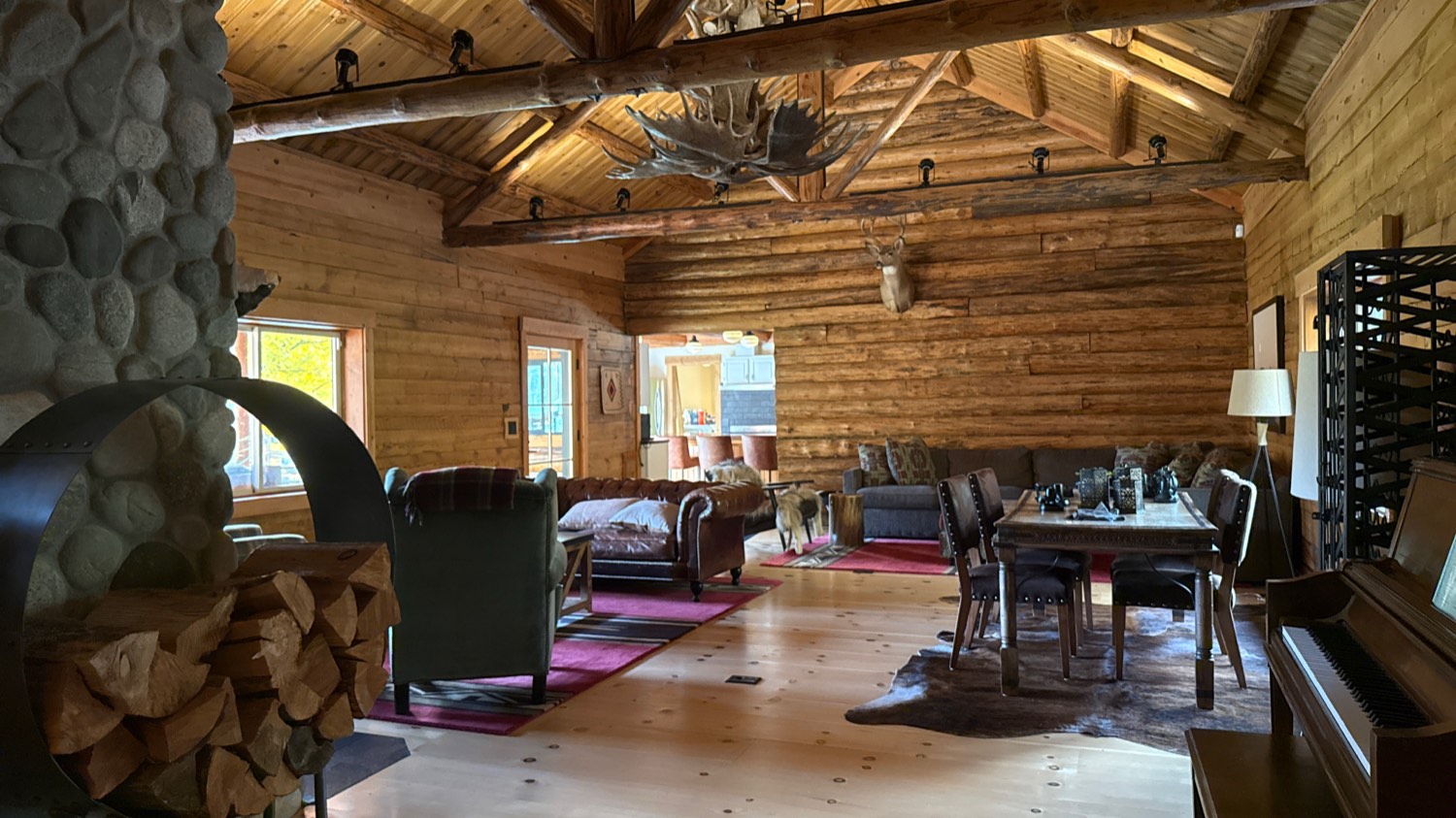
complementary — true opposites at 174° — maximum colour tension.
Opposites maximise simultaneous contrast: each makes the other look more saturated than it measures. Computed in OKLCh, not on an RGB wheel — hue-wheel complements are badly wrong for browns, which is most of this property.
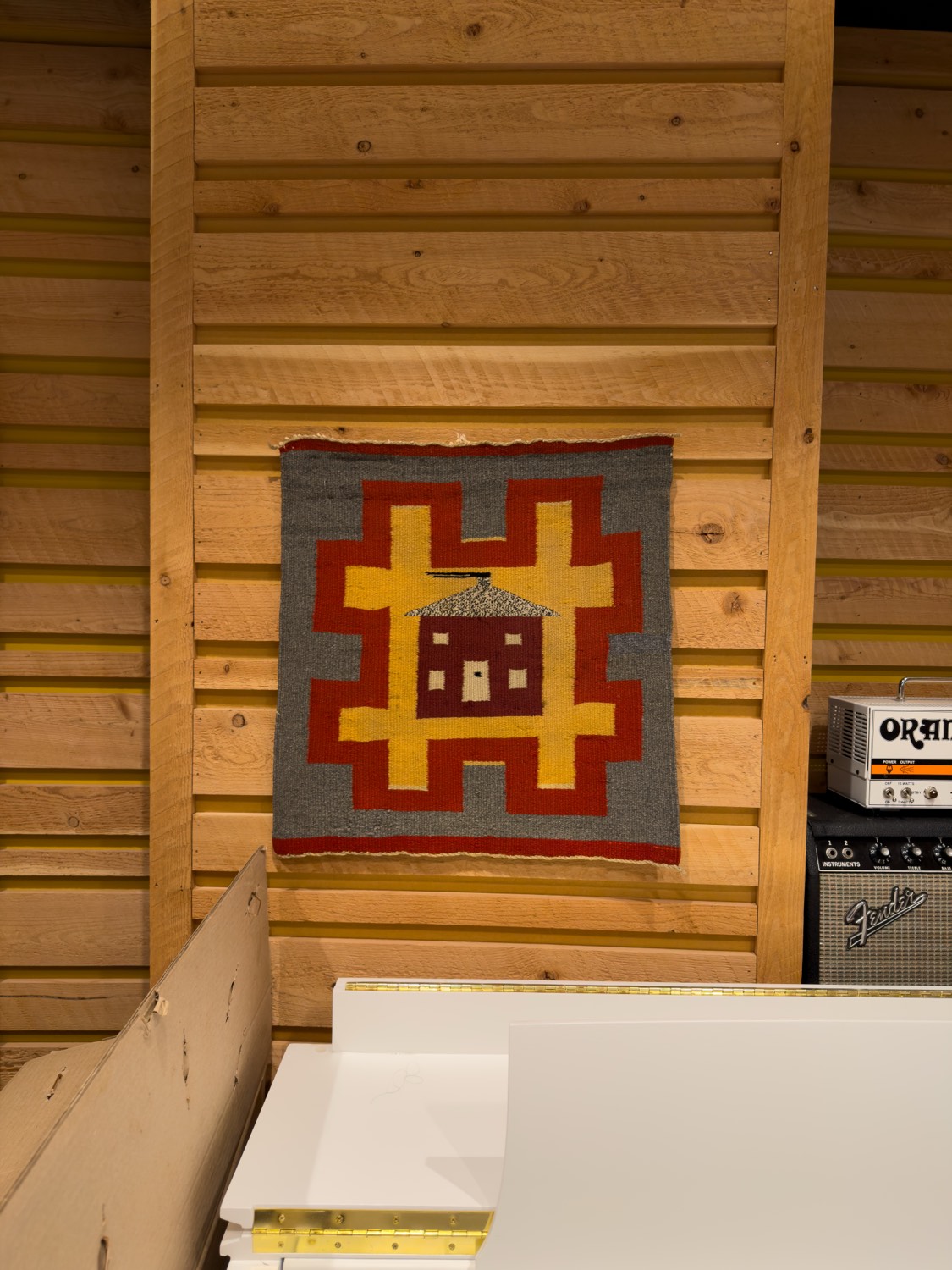
complementary — true opposites at 152° — maximum colour tension.
Opposites maximise simultaneous contrast: each makes the other look more saturated than it measures. Computed in OKLCh, not on an RGB wheel — hue-wheel complements are badly wrong for browns, which is most of this property.
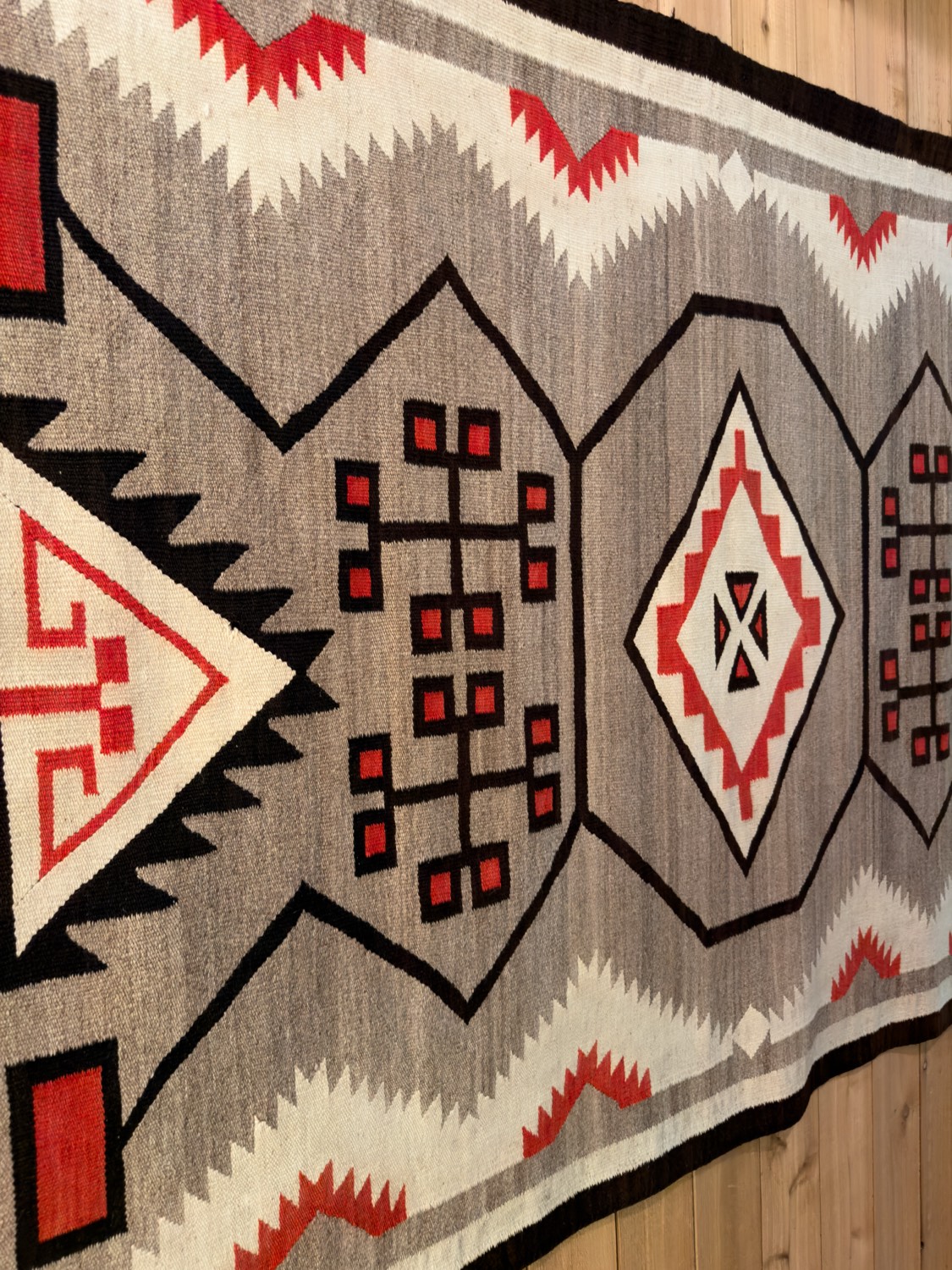
complementary — true opposites at 157° — maximum colour tension.
Opposites maximise simultaneous contrast: each makes the other look more saturated than it measures. Computed in OKLCh, not on an RGB wheel — hue-wheel complements are badly wrong for browns, which is most of this property.
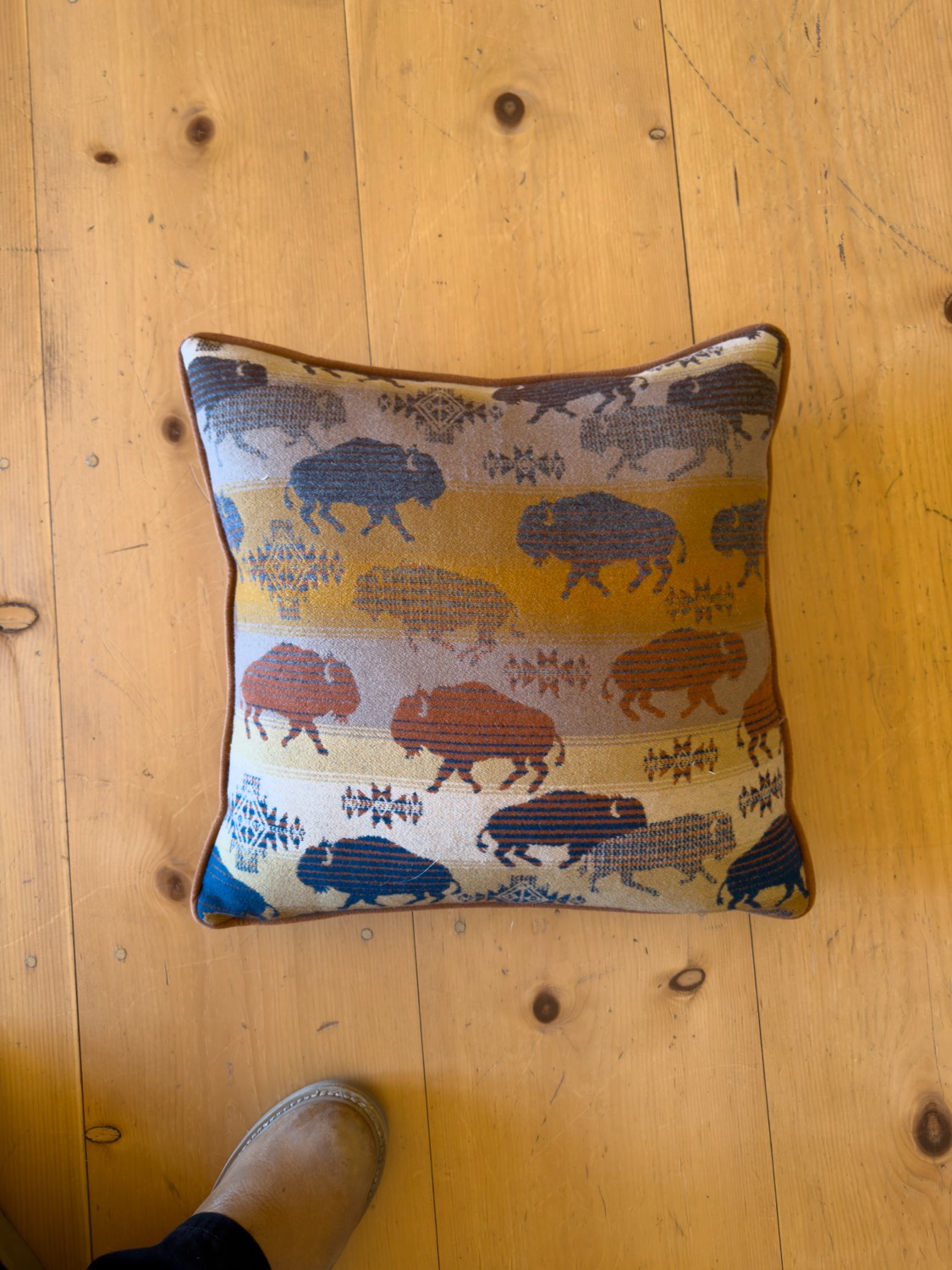
complementary — true opposites at 174° — maximum colour tension.
Opposites maximise simultaneous contrast: each makes the other look more saturated than it measures. Computed in OKLCh, not on an RGB wheel — hue-wheel complements are badly wrong for browns, which is most of this property.
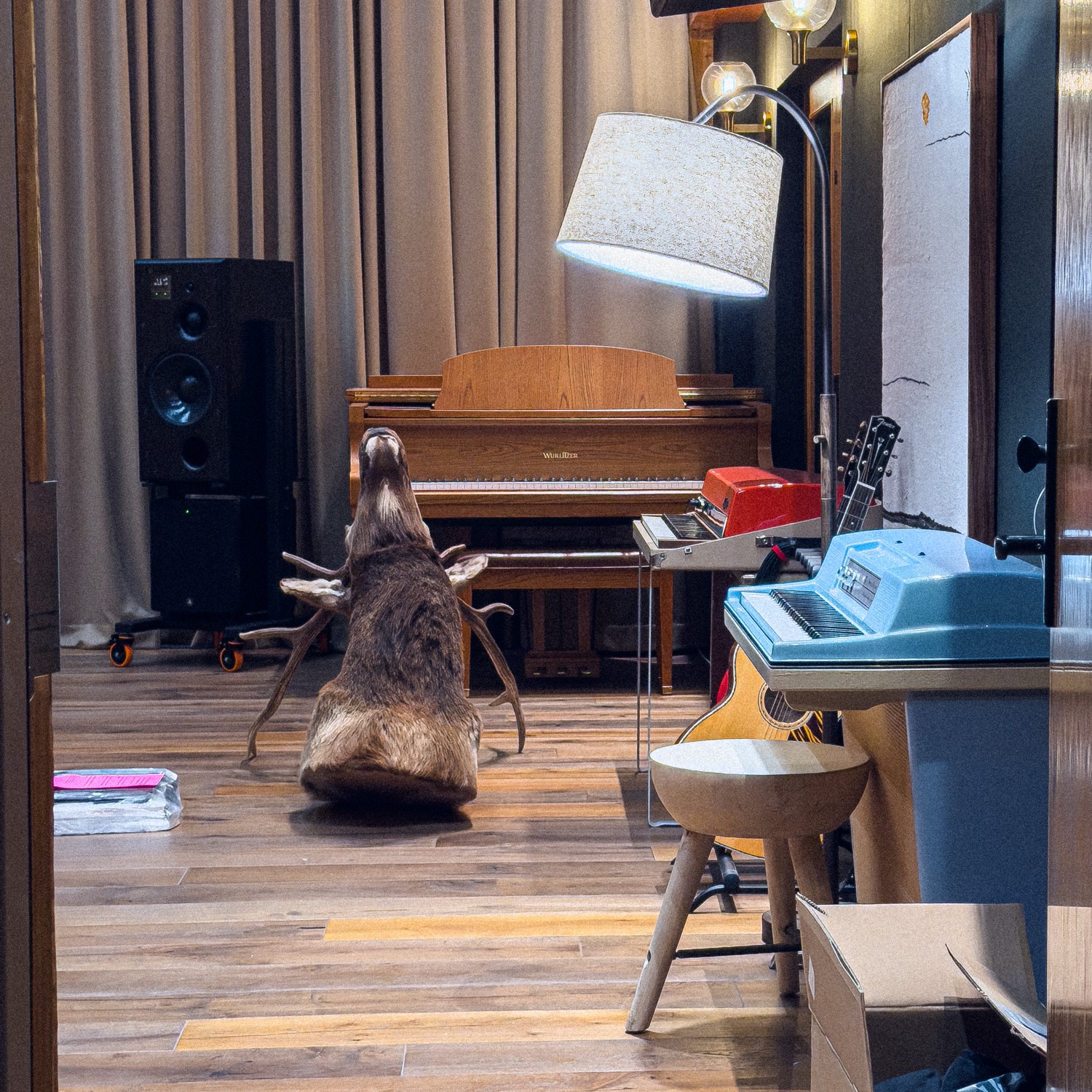
complementary — true opposites at 177° — maximum colour tension.
Opposites maximise simultaneous contrast: each makes the other look more saturated than it measures. Computed in OKLCh, not on an RGB wheel — hue-wheel complements are badly wrong for browns, which is most of this property.
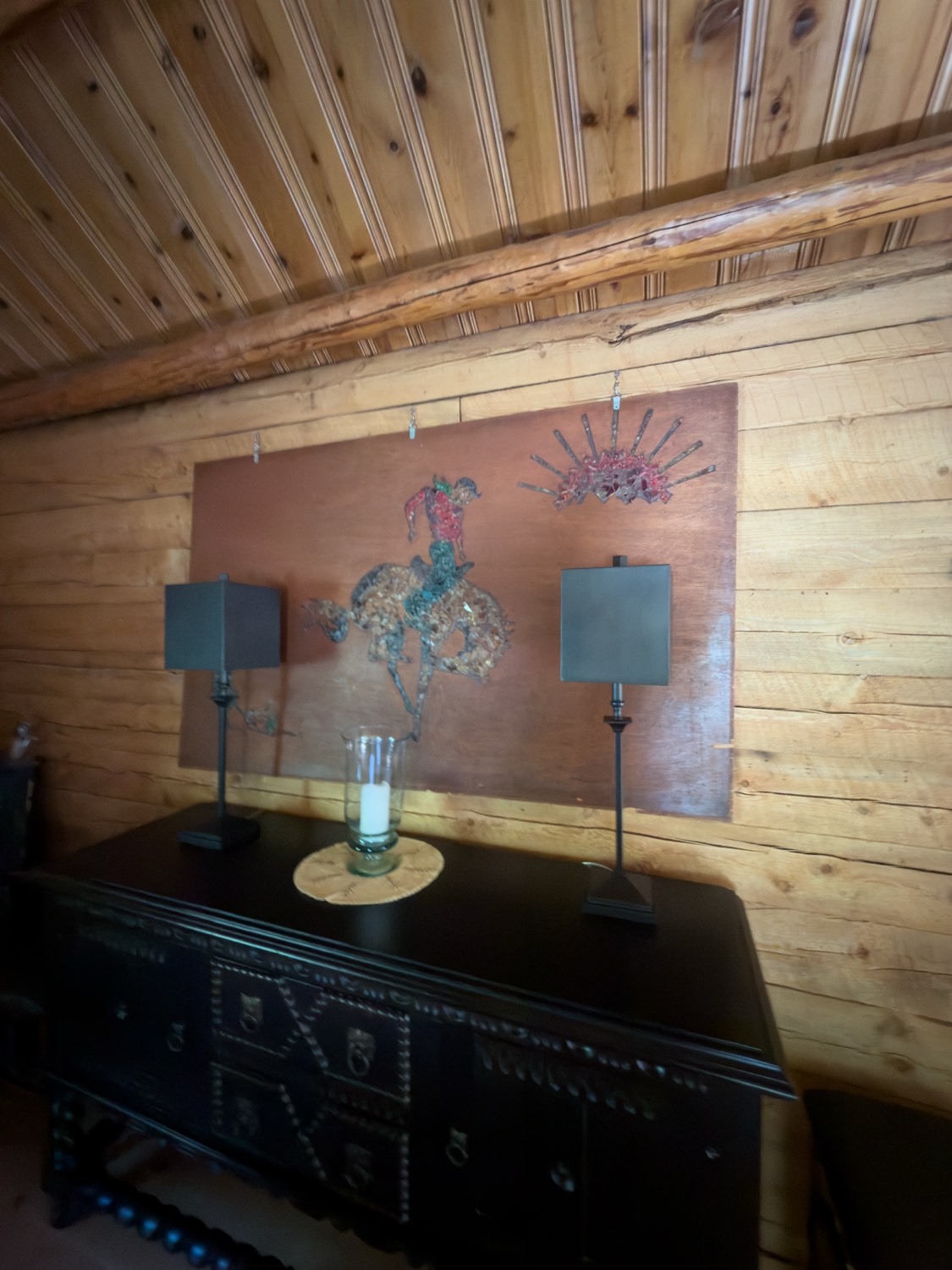
complementary — true opposites at 170° — maximum colour tension.
Opposites maximise simultaneous contrast: each makes the other look more saturated than it measures. Computed in OKLCh, not on an RGB wheel — hue-wheel complements are badly wrong for browns, which is most of this property.
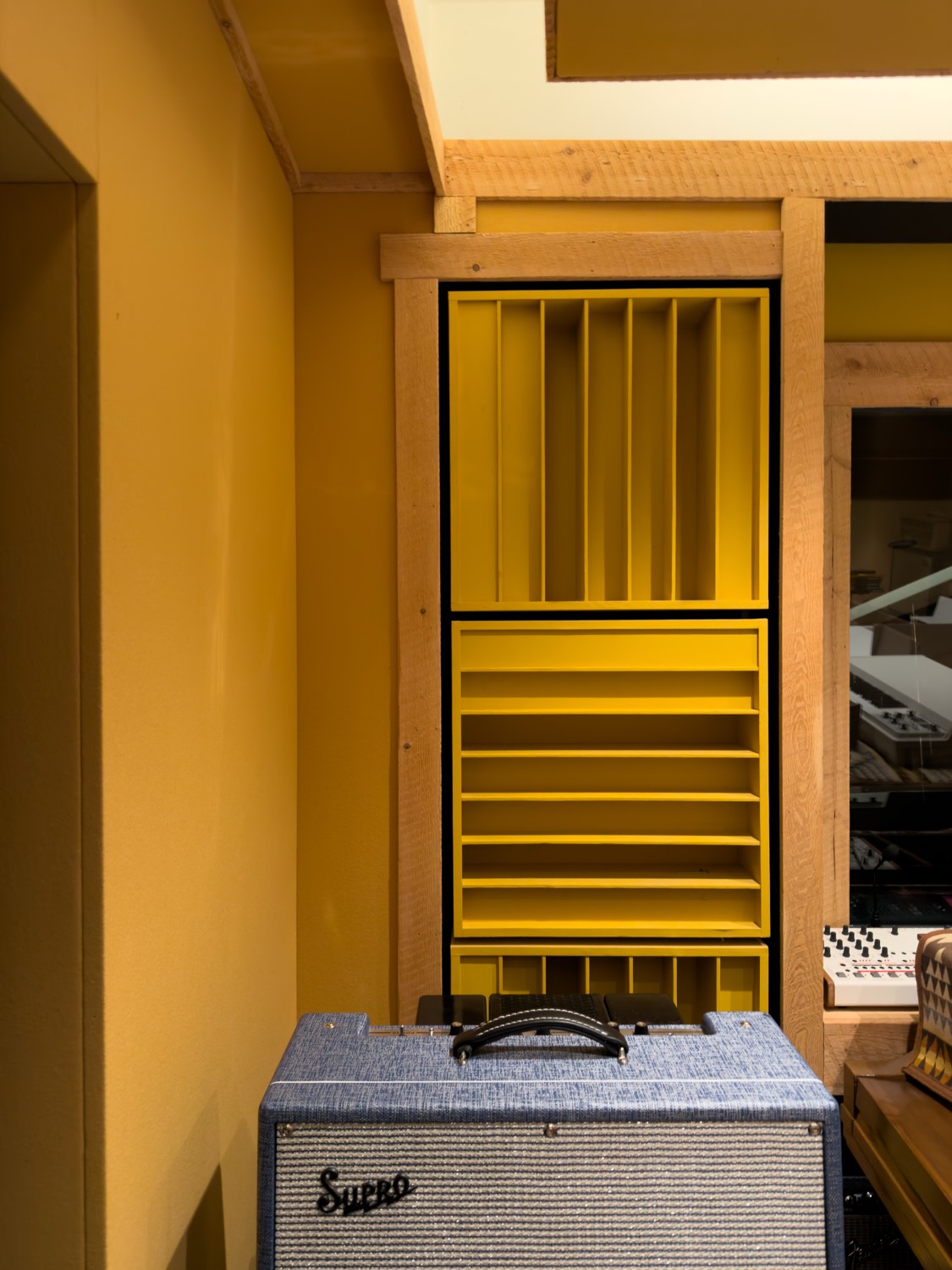
complementary — true opposites at 159° — maximum colour tension.
Opposites maximise simultaneous contrast: each makes the other look more saturated than it measures. Computed in OKLCh, not on an RGB wheel — hue-wheel complements are badly wrong for browns, which is most of this property.
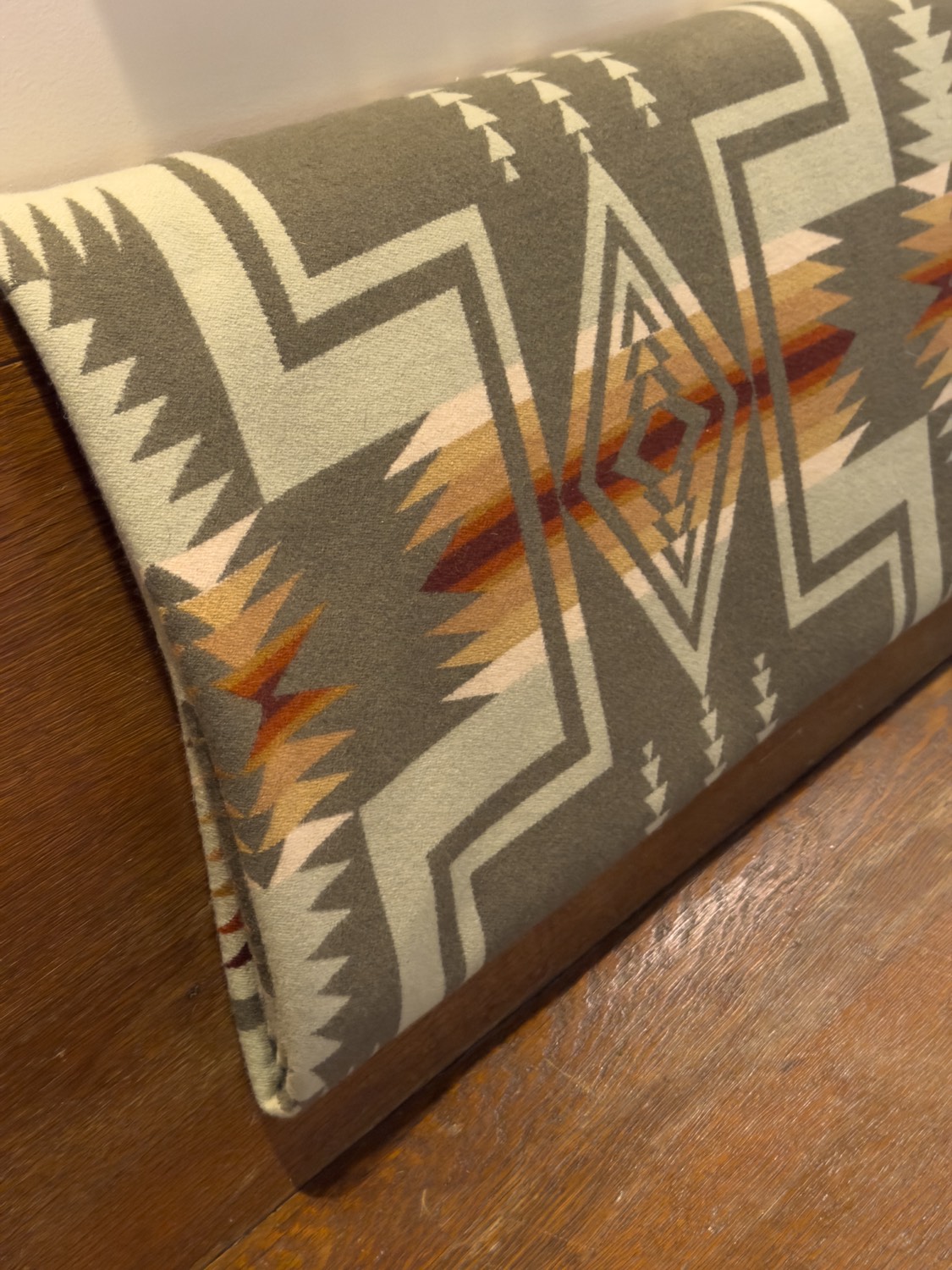
complementary — true opposites at 157° — maximum colour tension.
Opposites maximise simultaneous contrast: each makes the other look more saturated than it measures. Computed in OKLCh, not on an RGB wheel — hue-wheel complements are badly wrong for browns, which is most of this property.
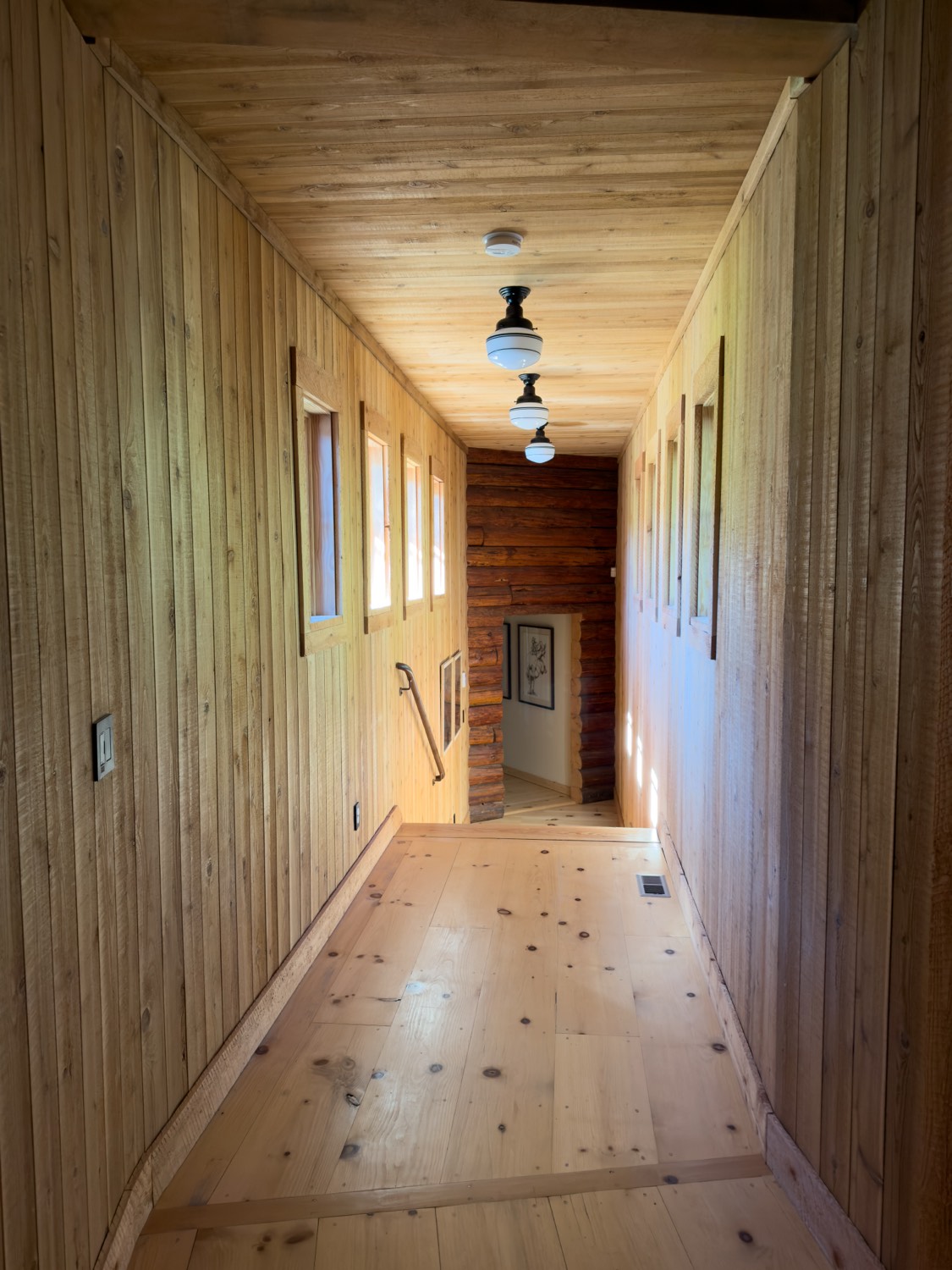
complementary — true opposites at 178° — maximum colour tension.
Opposites maximise simultaneous contrast: each makes the other look more saturated than it measures. Computed in OKLCh, not on an RGB wheel — hue-wheel complements are badly wrong for browns, which is most of this property.
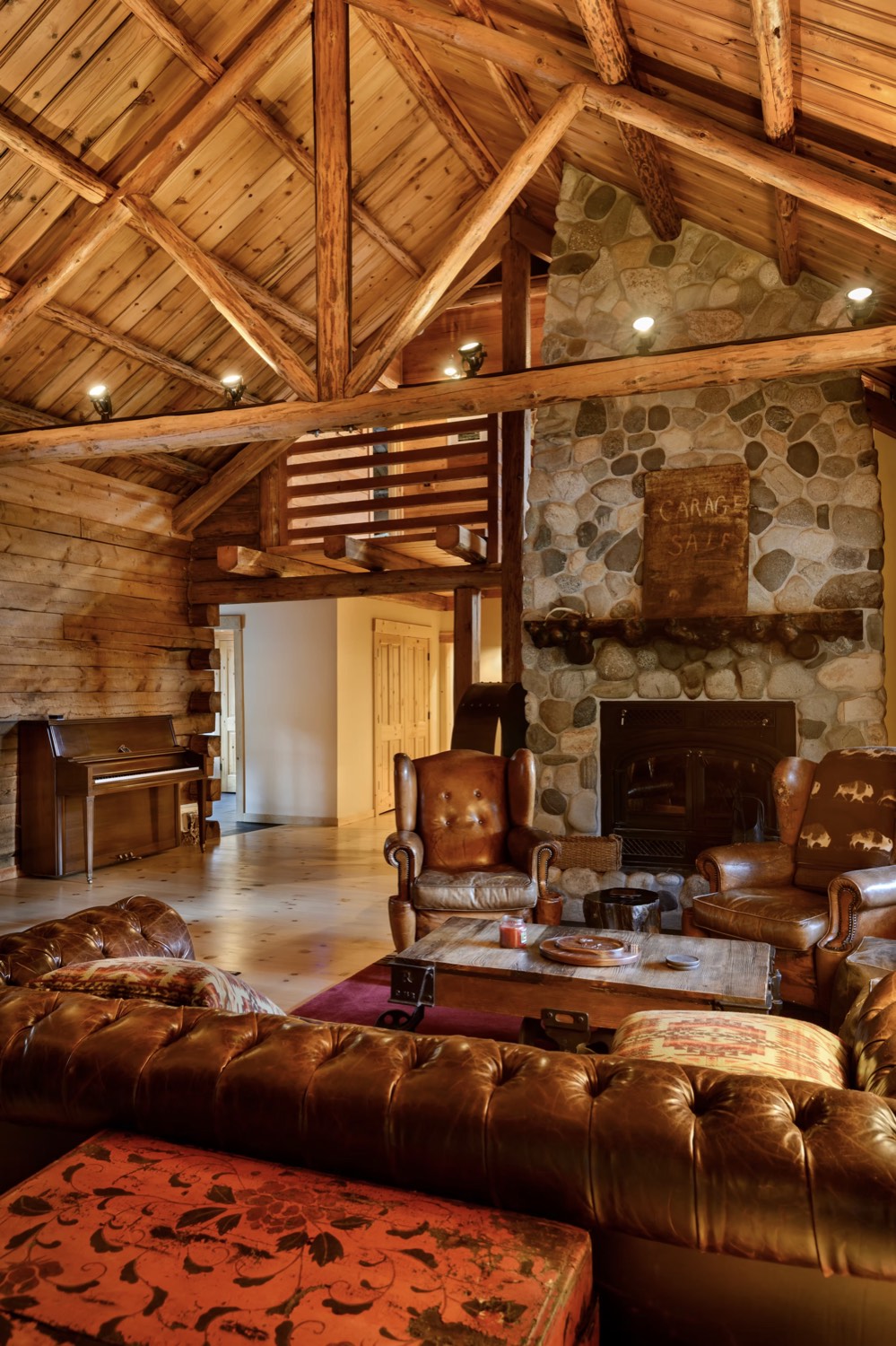
complementary — true opposites at 158° — maximum colour tension.
Opposites maximise simultaneous contrast: each makes the other look more saturated than it measures. Computed in OKLCh, not on an RGB wheel — hue-wheel complements are badly wrong for browns, which is most of this property.
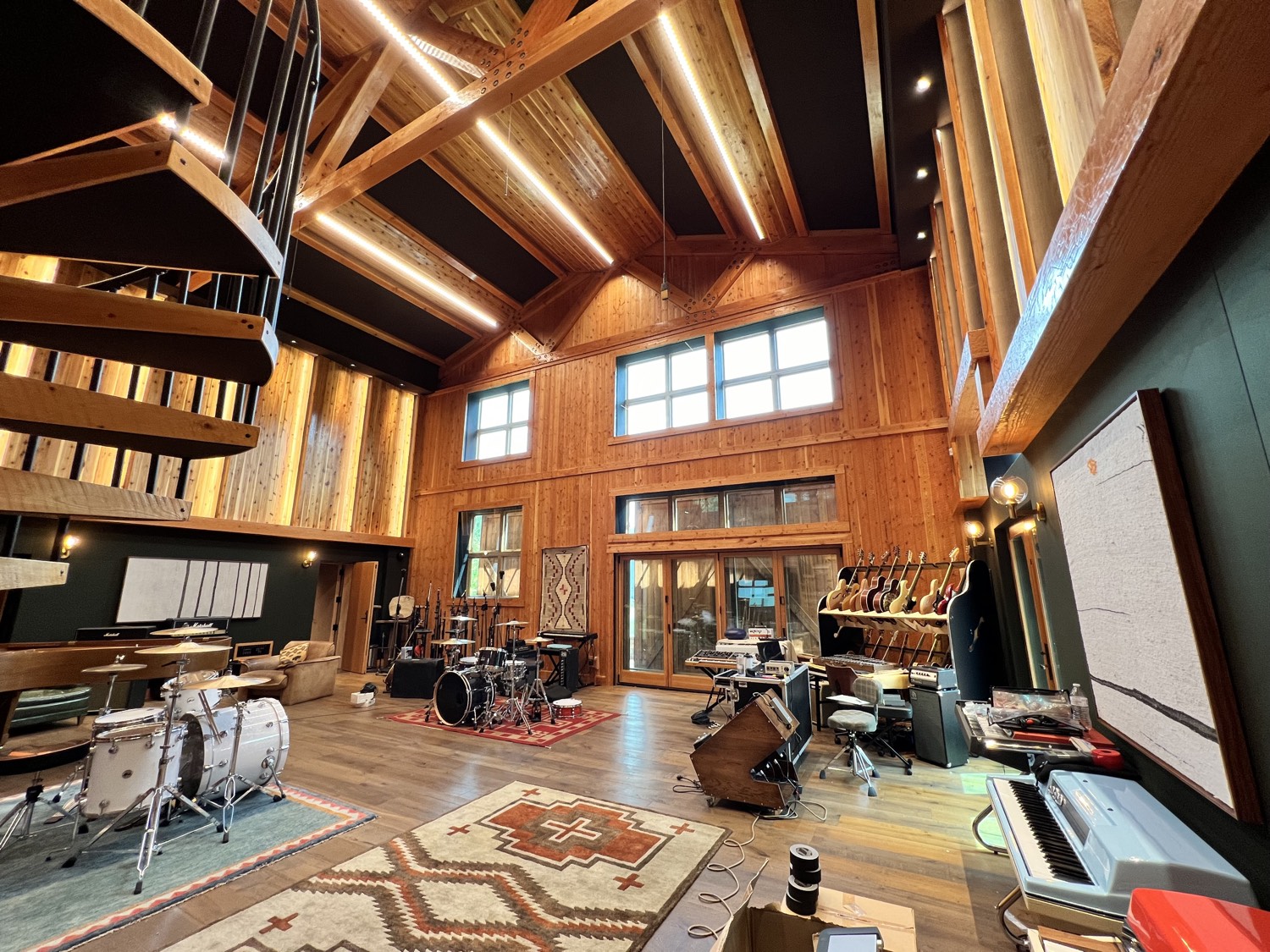
complementary — true opposites at 164° — maximum colour tension.
Opposites maximise simultaneous contrast: each makes the other look more saturated than it measures. Computed in OKLCh, not on an RGB wheel — hue-wheel complements are badly wrong for browns, which is most of this property.
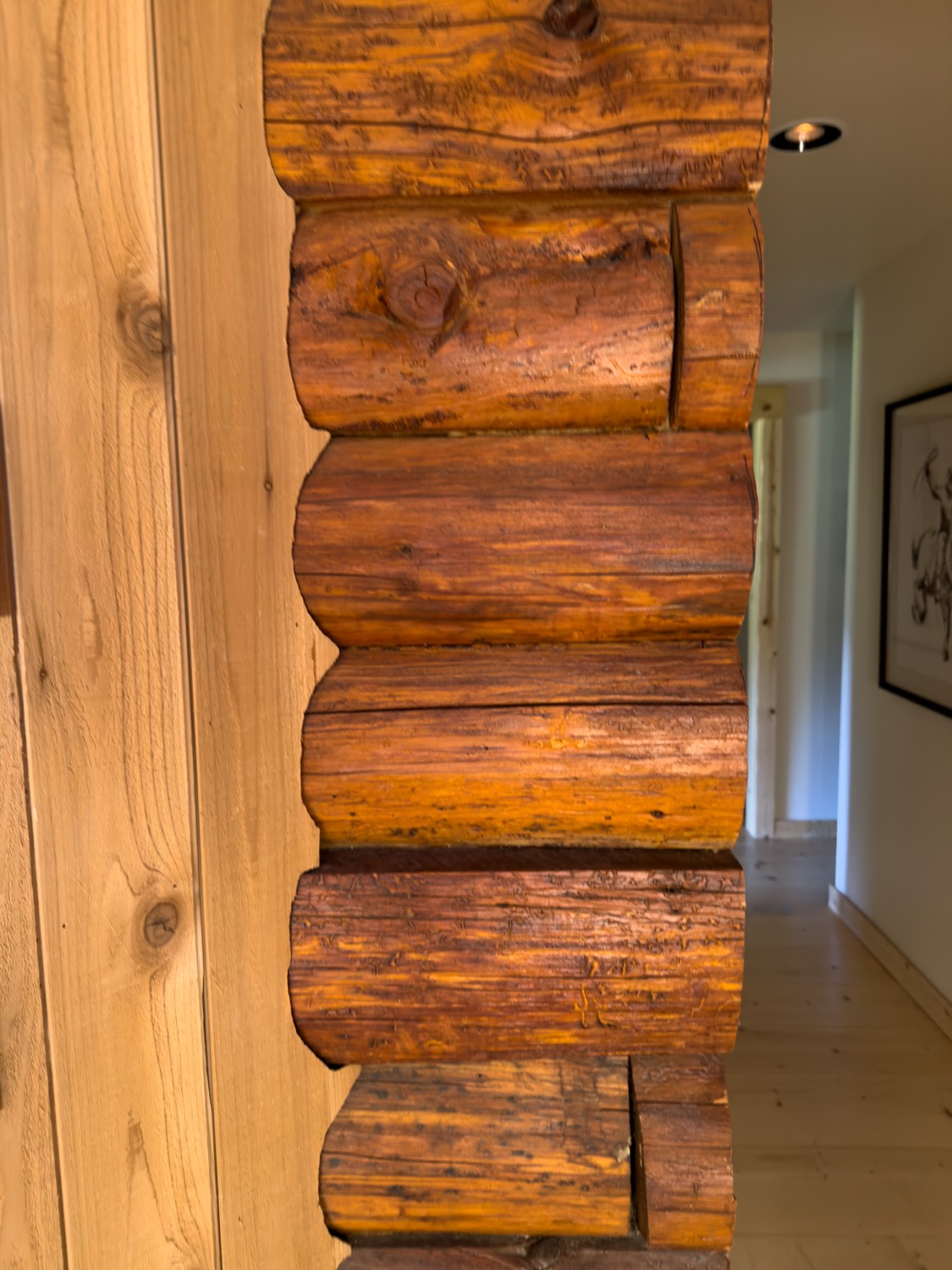
complementary — true opposites at 150° — maximum colour tension.
Opposites maximise simultaneous contrast: each makes the other look more saturated than it measures. Computed in OKLCh, not on an RGB wheel — hue-wheel complements are badly wrong for browns, which is most of this property.
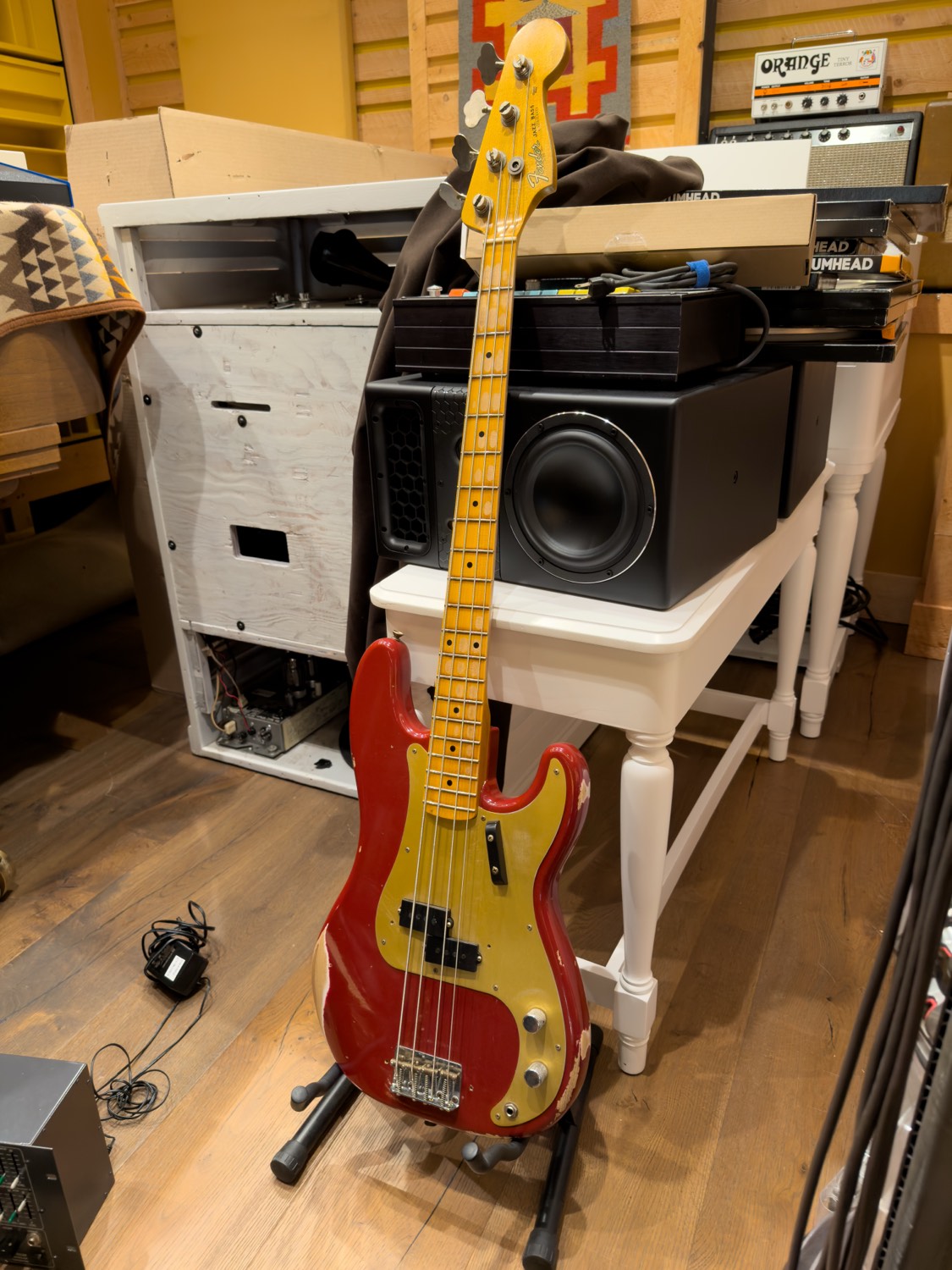
complementary — true opposites at 156° — maximum colour tension.
Opposites maximise simultaneous contrast: each makes the other look more saturated than it measures. Computed in OKLCh, not on an RGB wheel — hue-wheel complements are badly wrong for browns, which is most of this property.
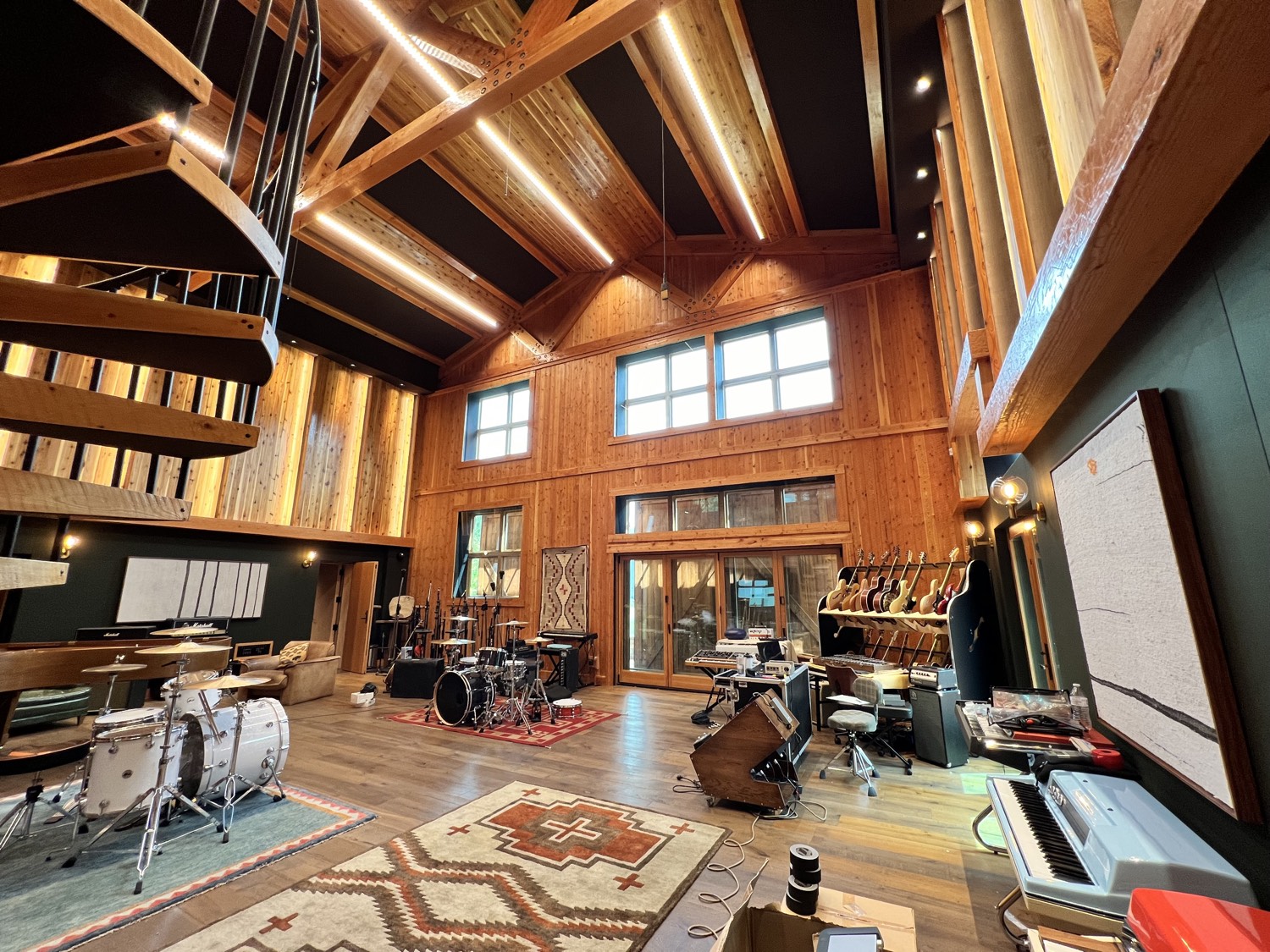
complementary — true opposites at 179° — maximum colour tension.
Opposites maximise simultaneous contrast: each makes the other look more saturated than it measures. Computed in OKLCh, not on an RGB wheel — hue-wheel complements are badly wrong for browns, which is most of this property.
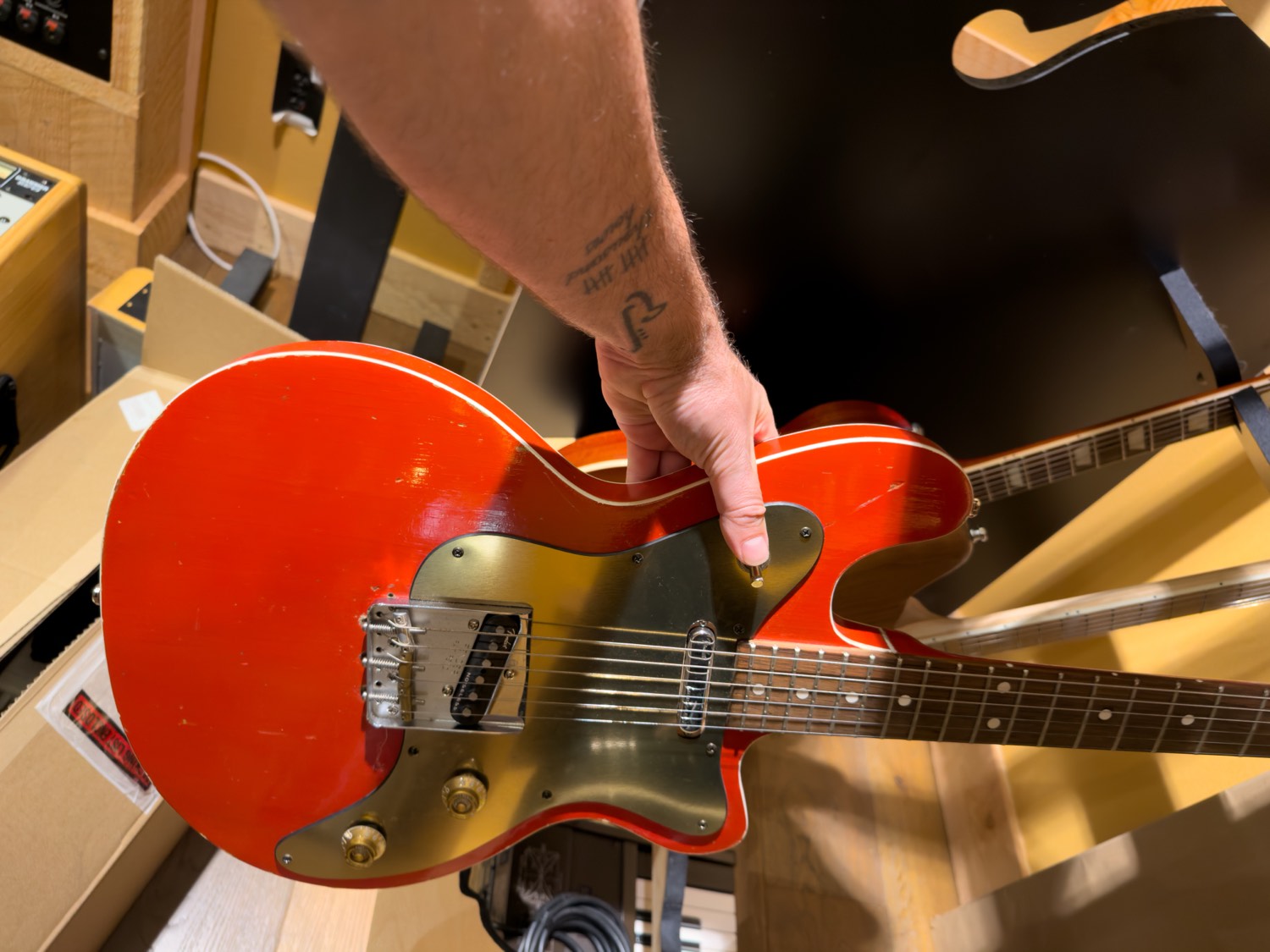
complementary — true opposites at 172° — maximum colour tension.
Opposites maximise simultaneous contrast: each makes the other look more saturated than it measures. Computed in OKLCh, not on an RGB wheel — hue-wheel complements are badly wrong for browns, which is most of this property.
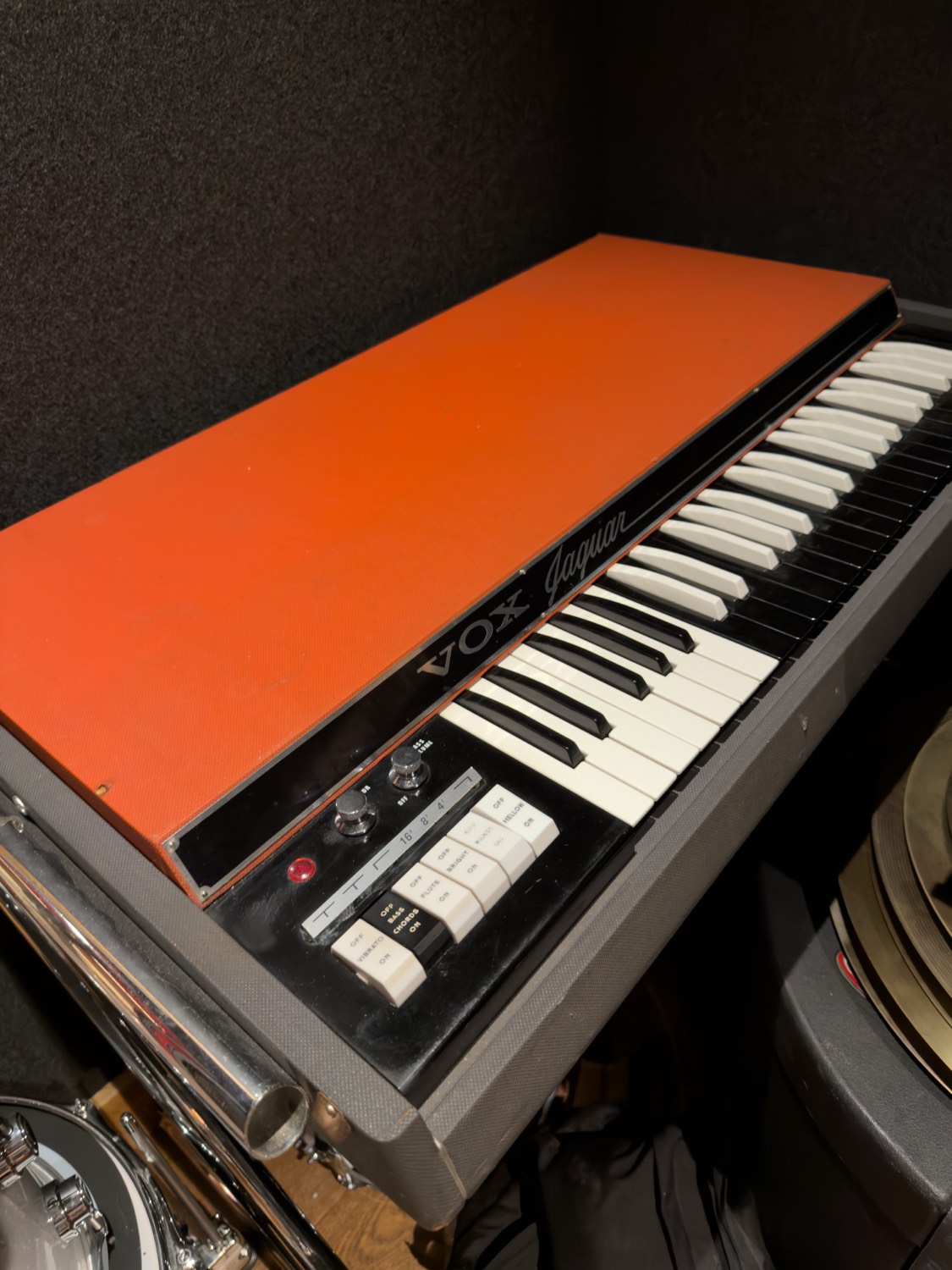
complementary — true opposites at 150° — maximum colour tension.
Opposites maximise simultaneous contrast: each makes the other look more saturated than it measures. Computed in OKLCh, not on an RGB wheel — hue-wheel complements are badly wrong for browns, which is most of this property.
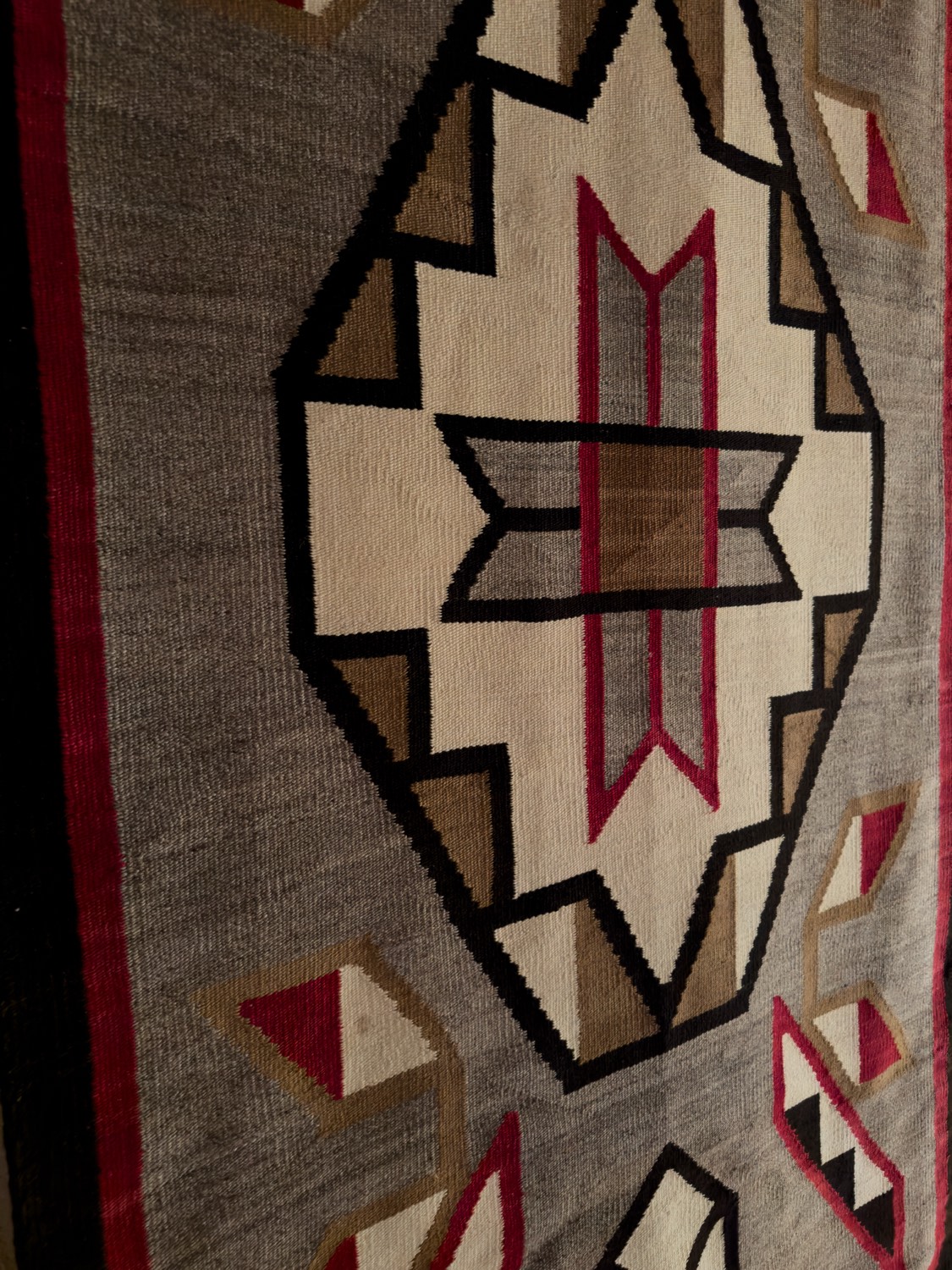
complementary — true opposites at 158° — maximum colour tension.
Opposites maximise simultaneous contrast: each makes the other look more saturated than it measures. Computed in OKLCh, not on an RGB wheel — hue-wheel complements are badly wrong for browns, which is most of this property.
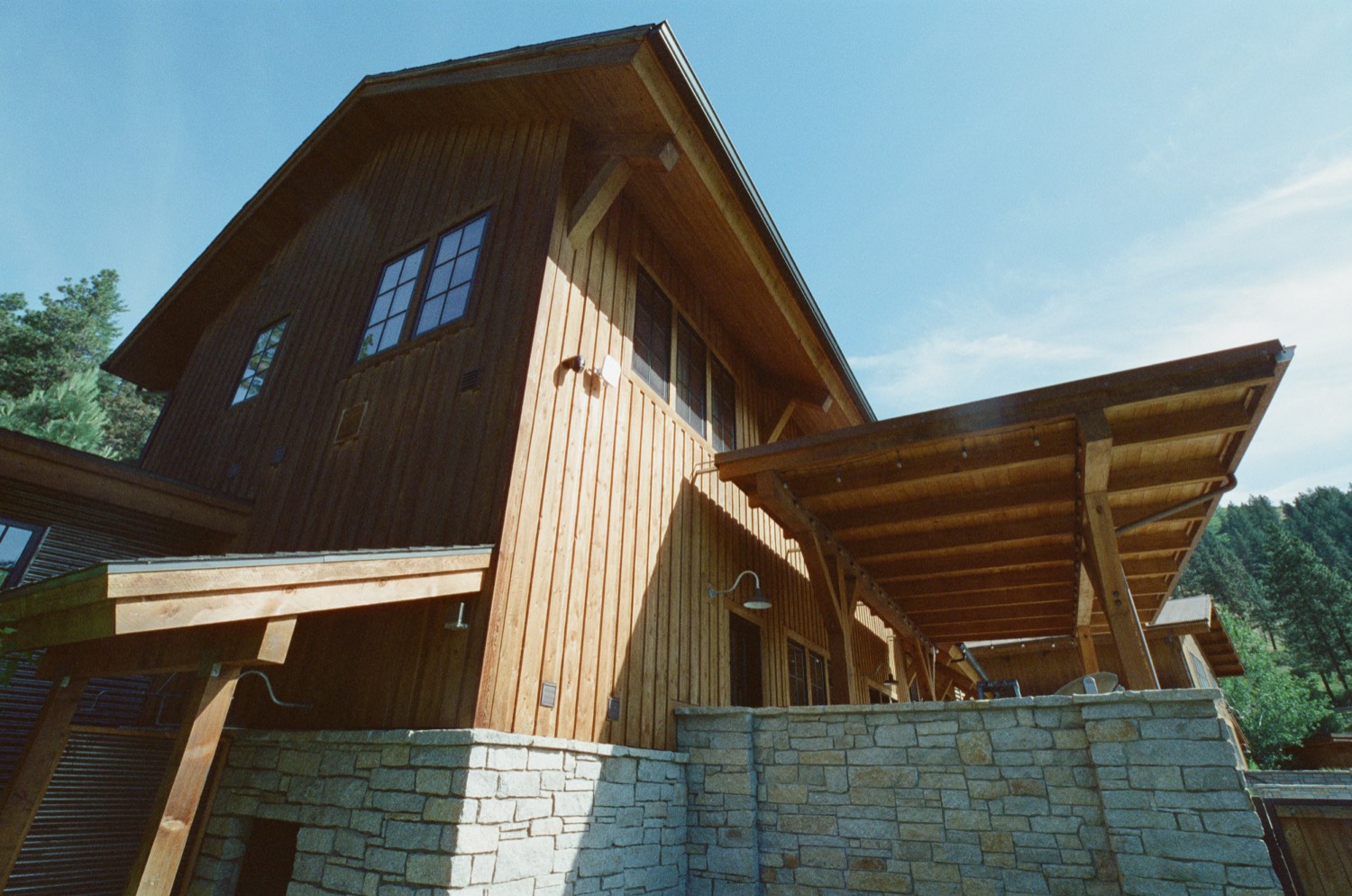
complementary — true opposites at 177° — maximum colour tension.
Opposites maximise simultaneous contrast: each makes the other look more saturated than it measures. Computed in OKLCh, not on an RGB wheel — hue-wheel complements are badly wrong for browns, which is most of this property.
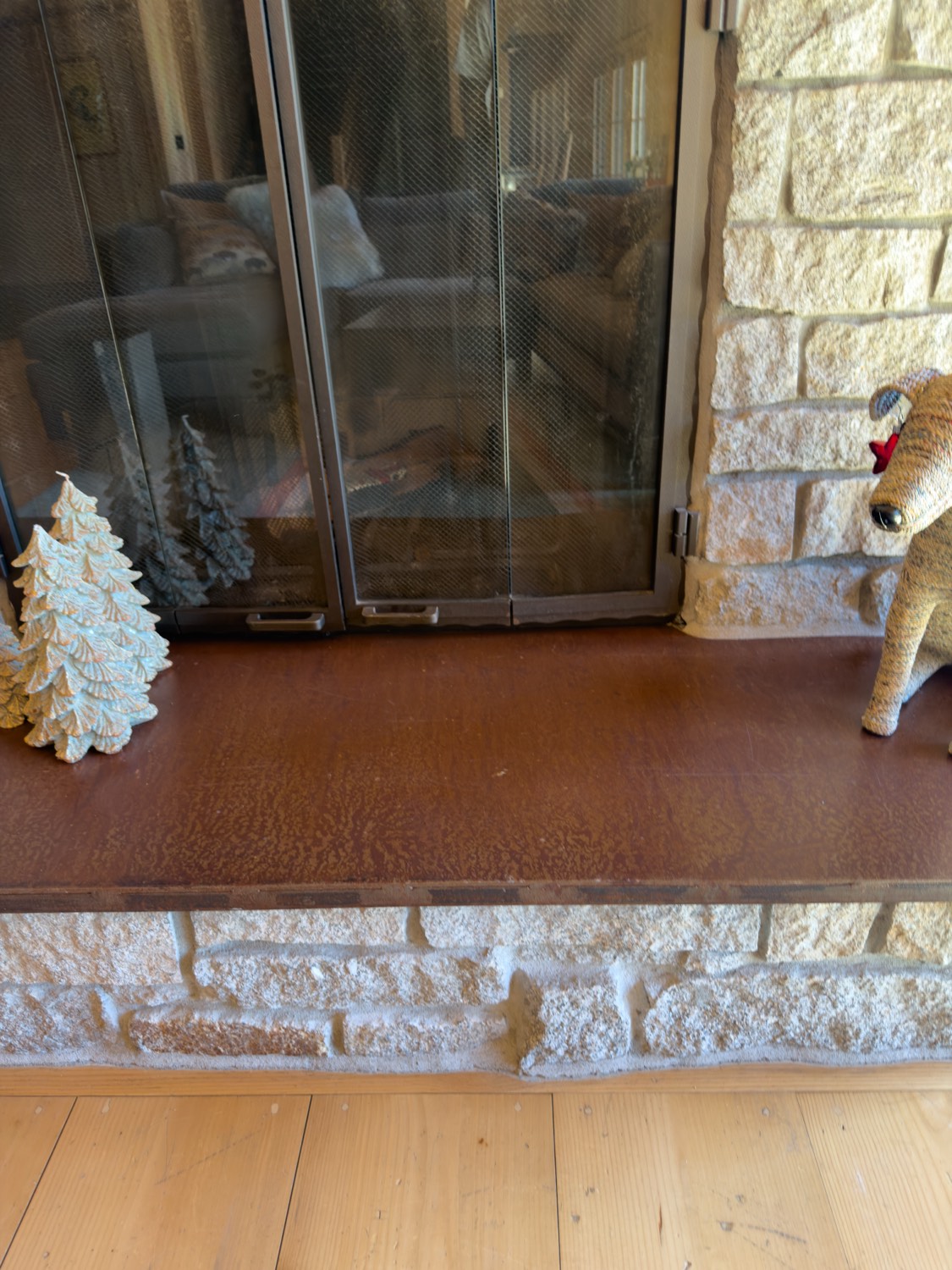
complementary — true opposites at 159° — maximum colour tension.
Opposites maximise simultaneous contrast: each makes the other look more saturated than it measures. Computed in OKLCh, not on an RGB wheel — hue-wheel complements are badly wrong for browns, which is most of this property.
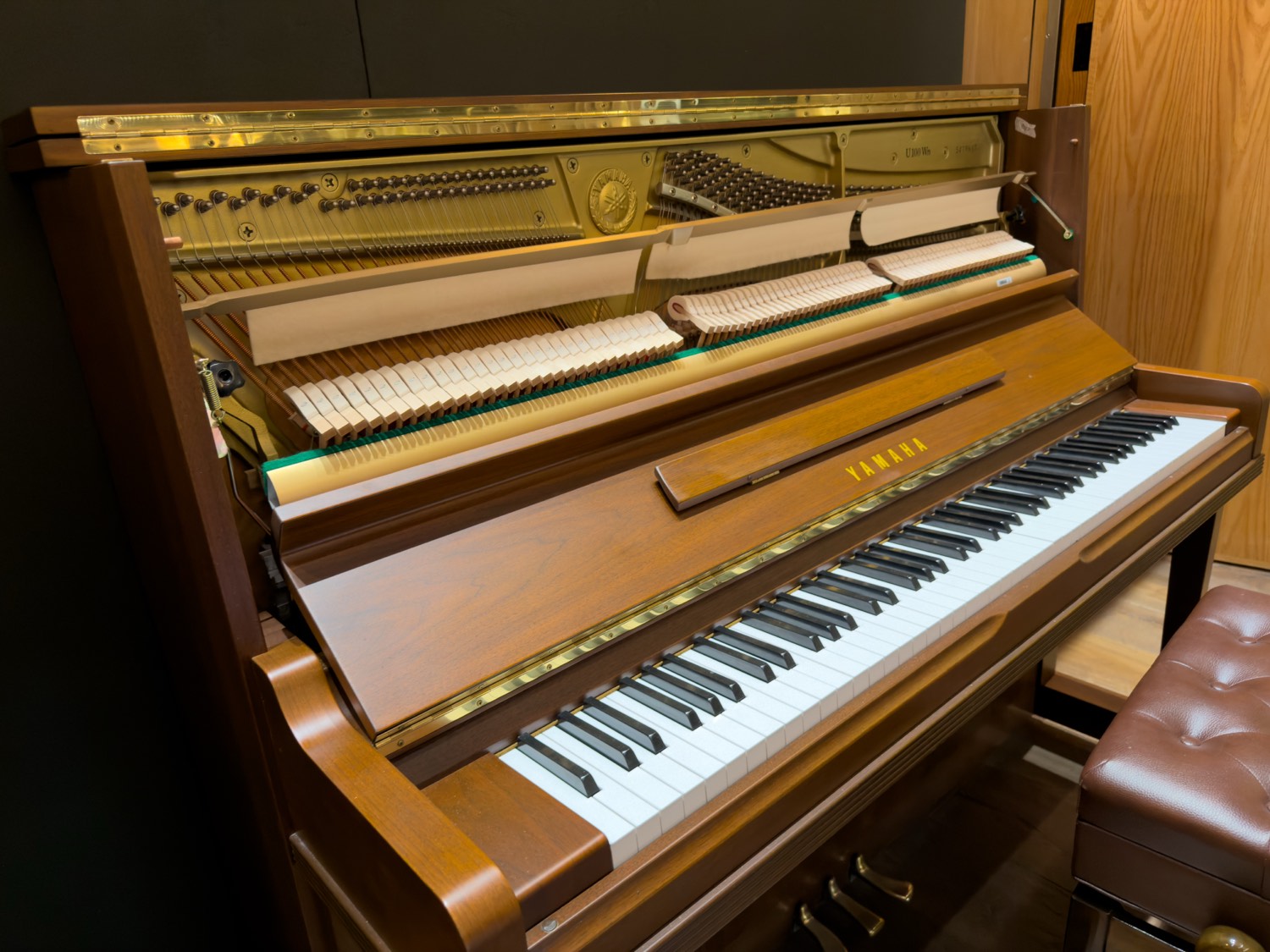
analogous — neighbouring hues only 18° apart, held apart by 0.40 of lightness.
Analogous pairs sit within roughly 30° on the wheel. They cohere by default, so the whole job is lightness separation — without it two neighbours flatten into one mass.
analogous — neighbouring hues only 8° apart, held apart by 0.14 of lightness.
Analogous pairs sit within roughly 30° on the wheel. They cohere by default, so the whole job is lightness separation — without it two neighbours flatten into one mass.
analogous — neighbouring hues only 6° apart, held apart by 0.19 of lightness.
Analogous pairs sit within roughly 30° on the wheel. They cohere by default, so the whole job is lightness separation — without it two neighbours flatten into one mass.
analogous — neighbouring hues only 4° apart, held apart by 0.11 of lightness.
Analogous pairs sit within roughly 30° on the wheel. They cohere by default, so the whole job is lightness separation — without it two neighbours flatten into one mass.
analogous — neighbouring hues only 17° apart, held apart by 0.13 of lightness.
Analogous pairs sit within roughly 30° on the wheel. They cohere by default, so the whole job is lightness separation — without it two neighbours flatten into one mass.
analogous — neighbouring hues only 26° apart, held apart by 0.11 of lightness.
Analogous pairs sit within roughly 30° on the wheel. They cohere by default, so the whole job is lightness separation — without it two neighbours flatten into one mass.
analogous — neighbouring hues only 10° apart, held apart by 0.17 of lightness.
Analogous pairs sit within roughly 30° on the wheel. They cohere by default, so the whole job is lightness separation — without it two neighbours flatten into one mass.
neutral ground — one side is effectively colourless and the other carries real chroma (0.08), so it grounds rather than competes, with 0.54 of lightness between them.
A near-neutral has no hue to argue with, so it reads as a ground. Contrast has to come from lightness instead — below about 0.20 apart in OKLab the pair just looks dirty.
analogous — neighbouring hues only 11° apart, held apart by 0.34 of lightness.
Analogous pairs sit within roughly 30° on the wheel. They cohere by default, so the whole job is lightness separation — without it two neighbours flatten into one mass.
analogous — neighbouring hues only 24° apart, held apart by 0.16 of lightness.
Analogous pairs sit within roughly 30° on the wheel. They cohere by default, so the whole job is lightness separation — without it two neighbours flatten into one mass.
analogous — neighbouring hues only 23° apart, held apart by 0.21 of lightness.
Analogous pairs sit within roughly 30° on the wheel. They cohere by default, so the whole job is lightness separation — without it two neighbours flatten into one mass.
analogous — neighbouring hues only 9° apart, held apart by 0.14 of lightness.
Analogous pairs sit within roughly 30° on the wheel. They cohere by default, so the whole job is lightness separation — without it two neighbours flatten into one mass.
analogous — neighbouring hues only 7° apart, held apart by 0.13 of lightness.
Analogous pairs sit within roughly 30° on the wheel. They cohere by default, so the whole job is lightness separation — without it two neighbours flatten into one mass.
analogous — neighbouring hues only 20° apart, held apart by 0.21 of lightness.
Analogous pairs sit within roughly 30° on the wheel. They cohere by default, so the whole job is lightness separation — without it two neighbours flatten into one mass.
analogous — neighbouring hues only 22° apart, held apart by 0.33 of lightness.
Analogous pairs sit within roughly 30° on the wheel. They cohere by default, so the whole job is lightness separation — without it two neighbours flatten into one mass.
analogous — neighbouring hues only 9° apart, held apart by 0.16 of lightness.
Analogous pairs sit within roughly 30° on the wheel. They cohere by default, so the whole job is lightness separation — without it two neighbours flatten into one mass.
analogous — neighbouring hues only 24° apart, held apart by 0.28 of lightness.
Analogous pairs sit within roughly 30° on the wheel. They cohere by default, so the whole job is lightness separation — without it two neighbours flatten into one mass.
analogous — neighbouring hues only 8° apart, held apart by 0.27 of lightness.
Analogous pairs sit within roughly 30° on the wheel. They cohere by default, so the whole job is lightness separation — without it two neighbours flatten into one mass.
analogous — neighbouring hues only 7° apart, held apart by 0.11 of lightness.
Analogous pairs sit within roughly 30° on the wheel. They cohere by default, so the whole job is lightness separation — without it two neighbours flatten into one mass.
analogous — neighbouring hues only 10° apart, held apart by 0.12 of lightness.
Analogous pairs sit within roughly 30° on the wheel. They cohere by default, so the whole job is lightness separation — without it two neighbours flatten into one mass.
analogous — neighbouring hues only 19° apart, held apart by 0.24 of lightness.
Analogous pairs sit within roughly 30° on the wheel. They cohere by default, so the whole job is lightness separation — without it two neighbours flatten into one mass.
analogous — neighbouring hues only 21° apart, held apart by 0.22 of lightness.
Analogous pairs sit within roughly 30° on the wheel. They cohere by default, so the whole job is lightness separation — without it two neighbours flatten into one mass.
neutral ground — one side is effectively colourless and the other carries real chroma (0.08), so it grounds rather than competes, with 0.39 of lightness between them.
A near-neutral has no hue to argue with, so it reads as a ground. Contrast has to come from lightness instead — below about 0.20 apart in OKLab the pair just looks dirty.
analogous — neighbouring hues only 21° apart, held apart by 0.16 of lightness.
Analogous pairs sit within roughly 30° on the wheel. They cohere by default, so the whole job is lightness separation — without it two neighbours flatten into one mass.
analogous — neighbouring hues only 2° apart, held apart by 0.11 of lightness.
Analogous pairs sit within roughly 30° on the wheel. They cohere by default, so the whole job is lightness separation — without it two neighbours flatten into one mass.
analogous — neighbouring hues only 23° apart, held apart by 0.19 of lightness.
Analogous pairs sit within roughly 30° on the wheel. They cohere by default, so the whole job is lightness separation — without it two neighbours flatten into one mass.
neutral ground — one side is effectively colourless and the other carries real chroma (0.08), so it grounds rather than competes, with 0.27 of lightness between them.
A near-neutral has no hue to argue with, so it reads as a ground. Contrast has to come from lightness instead — below about 0.20 apart in OKLab the pair just looks dirty.
analogous — neighbouring hues only 7° apart, held apart by 0.32 of lightness.
Analogous pairs sit within roughly 30° on the wheel. They cohere by default, so the whole job is lightness separation — without it two neighbours flatten into one mass.
analogous — neighbouring hues only 5° apart, held apart by 0.13 of lightness.
Analogous pairs sit within roughly 30° on the wheel. They cohere by default, so the whole job is lightness separation — without it two neighbours flatten into one mass.
analogous — neighbouring hues only 6° apart, held apart by 0.12 of lightness.
Analogous pairs sit within roughly 30° on the wheel. They cohere by default, so the whole job is lightness separation — without it two neighbours flatten into one mass.
Red Room · fixed wall — bring things to it
analogous — neighbouring hues only 4° apart, held apart by 0.12 of lightness.
Analogous pairs sit within roughly 30° on the wheel. They cohere by default, so the whole job is lightness separation — without it two neighbours flatten into one mass.
analogous — neighbouring hues only 25° apart, held apart by 0.26 of lightness.
Analogous pairs sit within roughly 30° on the wheel. They cohere by default, so the whole job is lightness separation — without it two neighbours flatten into one mass.
analogous — neighbouring hues only 23° apart, held apart by 0.19 of lightness.
Analogous pairs sit within roughly 30° on the wheel. They cohere by default, so the whole job is lightness separation — without it two neighbours flatten into one mass.
neutral ground — one side is effectively colourless and the other carries real chroma (0.12), so it grounds rather than competes, with 0.38 of lightness between them.
A near-neutral has no hue to argue with, so it reads as a ground. Contrast has to come from lightness instead — below about 0.20 apart in OKLab the pair just looks dirty.
analogous — neighbouring hues only 23° apart, held apart by 0.13 of lightness.
Analogous pairs sit within roughly 30° on the wheel. They cohere by default, so the whole job is lightness separation — without it two neighbours flatten into one mass.
analogous — neighbouring hues only 18° apart, held apart by 0.32 of lightness.
Analogous pairs sit within roughly 30° on the wheel. They cohere by default, so the whole job is lightness separation — without it two neighbours flatten into one mass.
analogous — neighbouring hues only 17° apart, held apart by 0.31 of lightness.
Analogous pairs sit within roughly 30° on the wheel. They cohere by default, so the whole job is lightness separation — without it two neighbours flatten into one mass.
analogous — neighbouring hues only 20° apart, held apart by 0.19 of lightness.
Analogous pairs sit within roughly 30° on the wheel. They cohere by default, so the whole job is lightness separation — without it two neighbours flatten into one mass.
analogous — neighbouring hues only 9° apart, held apart by 0.12 of lightness.
Analogous pairs sit within roughly 30° on the wheel. They cohere by default, so the whole job is lightness separation — without it two neighbours flatten into one mass.
analogous — neighbouring hues only 23° apart, held apart by 0.11 of lightness.
Analogous pairs sit within roughly 30° on the wheel. They cohere by default, so the whole job is lightness separation — without it two neighbours flatten into one mass.
analogous — neighbouring hues only 19° apart, held apart by 0.18 of lightness.
Analogous pairs sit within roughly 30° on the wheel. They cohere by default, so the whole job is lightness separation — without it two neighbours flatten into one mass.
neutral ground — one side is effectively colourless and the other carries real chroma (0.08), so it grounds rather than competes, with 0.32 of lightness between them.
A near-neutral has no hue to argue with, so it reads as a ground. Contrast has to come from lightness instead — below about 0.20 apart in OKLab the pair just looks dirty.
analogous — neighbouring hues only 18° apart, held apart by 0.32 of lightness.
Analogous pairs sit within roughly 30° on the wheel. They cohere by default, so the whole job is lightness separation — without it two neighbours flatten into one mass.
analogous — neighbouring hues only 3° apart, held apart by 0.11 of lightness.
Analogous pairs sit within roughly 30° on the wheel. They cohere by default, so the whole job is lightness separation — without it two neighbours flatten into one mass.
analogous — neighbouring hues only 4° apart, held apart by 0.11 of lightness.
Analogous pairs sit within roughly 30° on the wheel. They cohere by default, so the whole job is lightness separation — without it two neighbours flatten into one mass.
analogous — neighbouring hues only 19° apart, held apart by 0.18 of lightness.
Analogous pairs sit within roughly 30° on the wheel. They cohere by default, so the whole job is lightness separation — without it two neighbours flatten into one mass.
complementary — true opposites at 174° — maximum colour tension.
Opposites maximise simultaneous contrast: each makes the other look more saturated than it measures. Computed in OKLCh, not on an RGB wheel — hue-wheel complements are badly wrong for browns, which is most of this property.
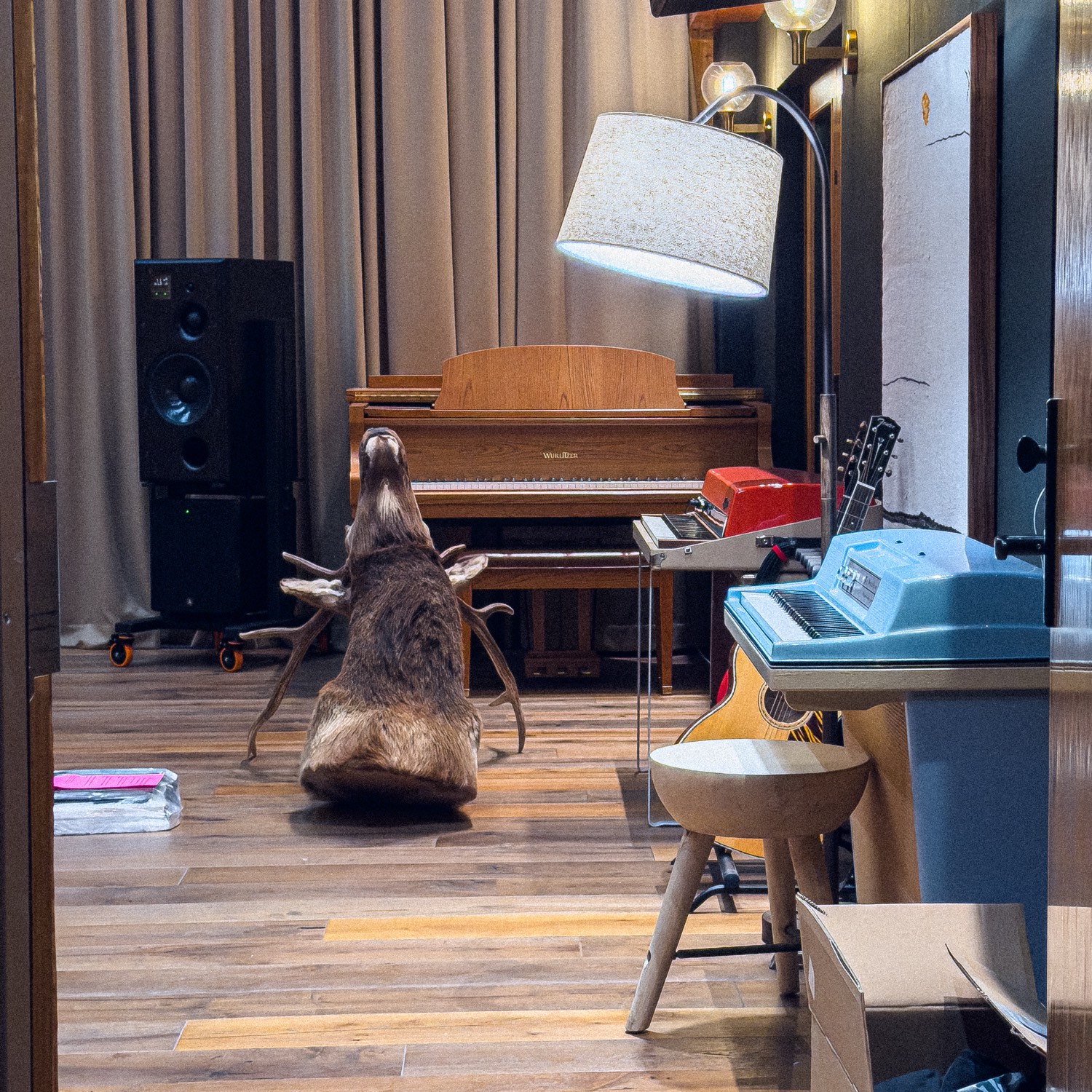
complementary — true opposites at 170° — maximum colour tension.
Opposites maximise simultaneous contrast: each makes the other look more saturated than it measures. Computed in OKLCh, not on an RGB wheel — hue-wheel complements are badly wrong for browns, which is most of this property.
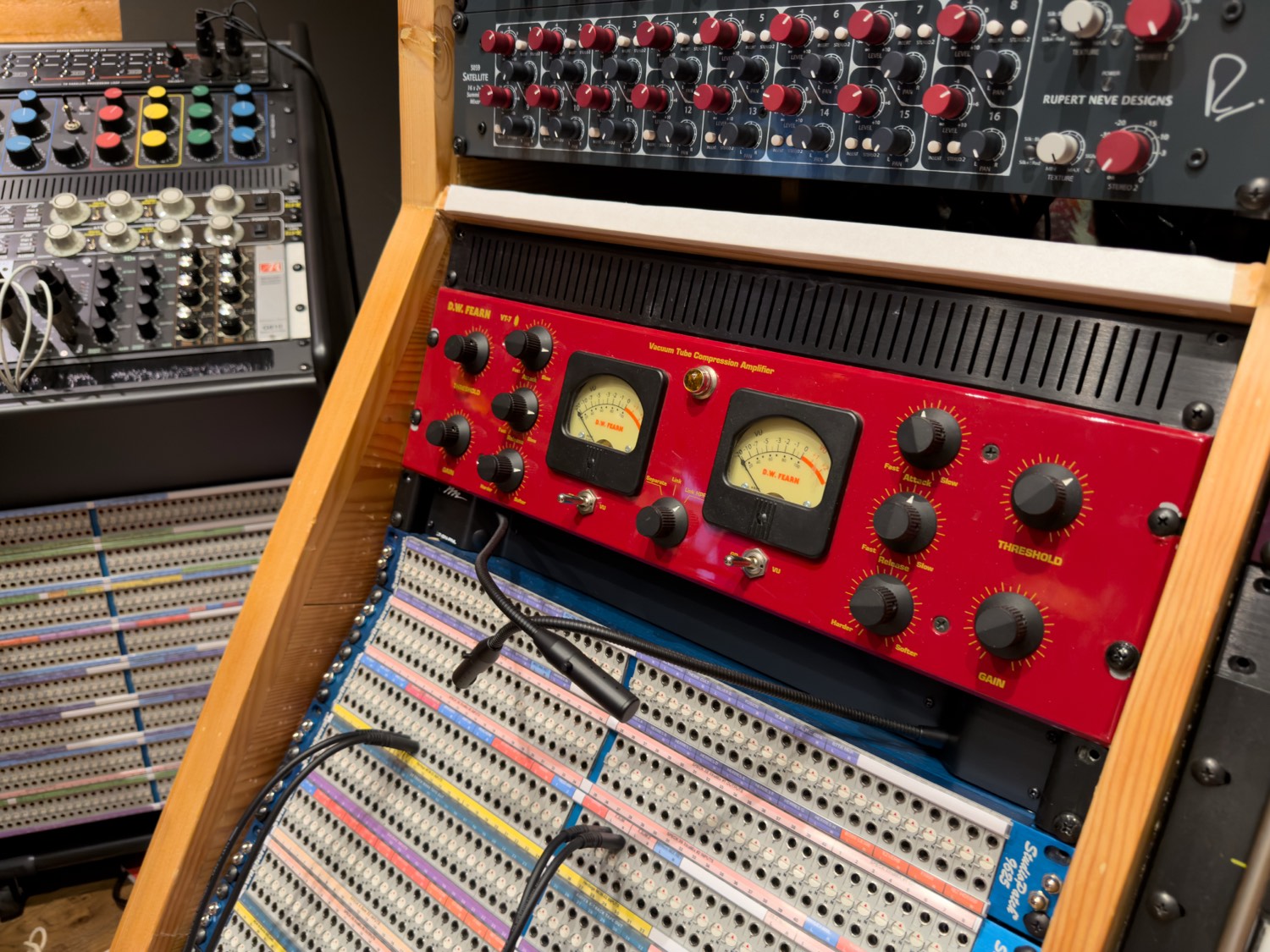
complementary — true opposites at 150° — maximum colour tension.
Opposites maximise simultaneous contrast: each makes the other look more saturated than it measures. Computed in OKLCh, not on an RGB wheel — hue-wheel complements are badly wrong for browns, which is most of this property.
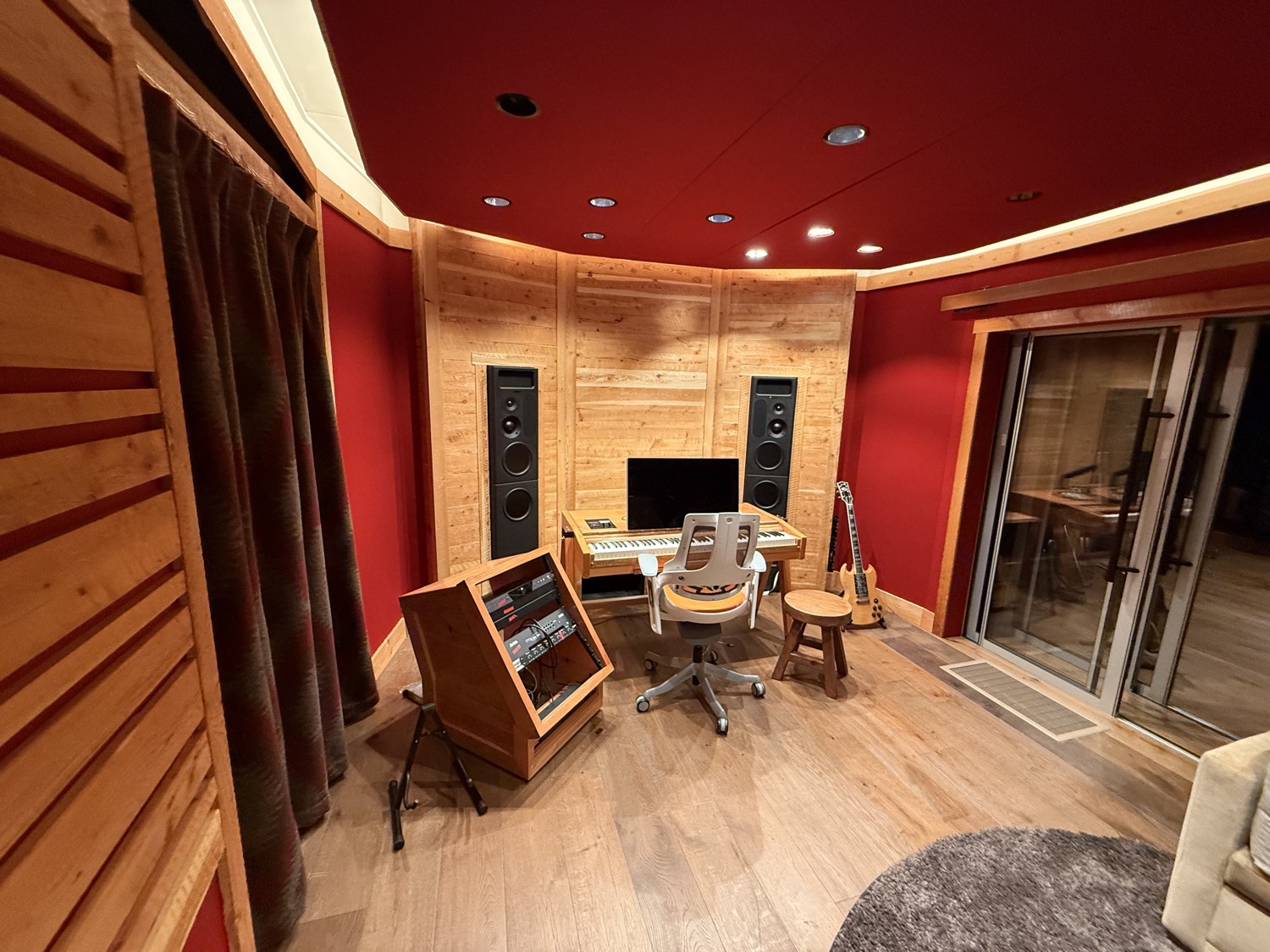
complementary — true opposites at 153° — maximum colour tension.
Opposites maximise simultaneous contrast: each makes the other look more saturated than it measures. Computed in OKLCh, not on an RGB wheel — hue-wheel complements are badly wrong for browns, which is most of this property.
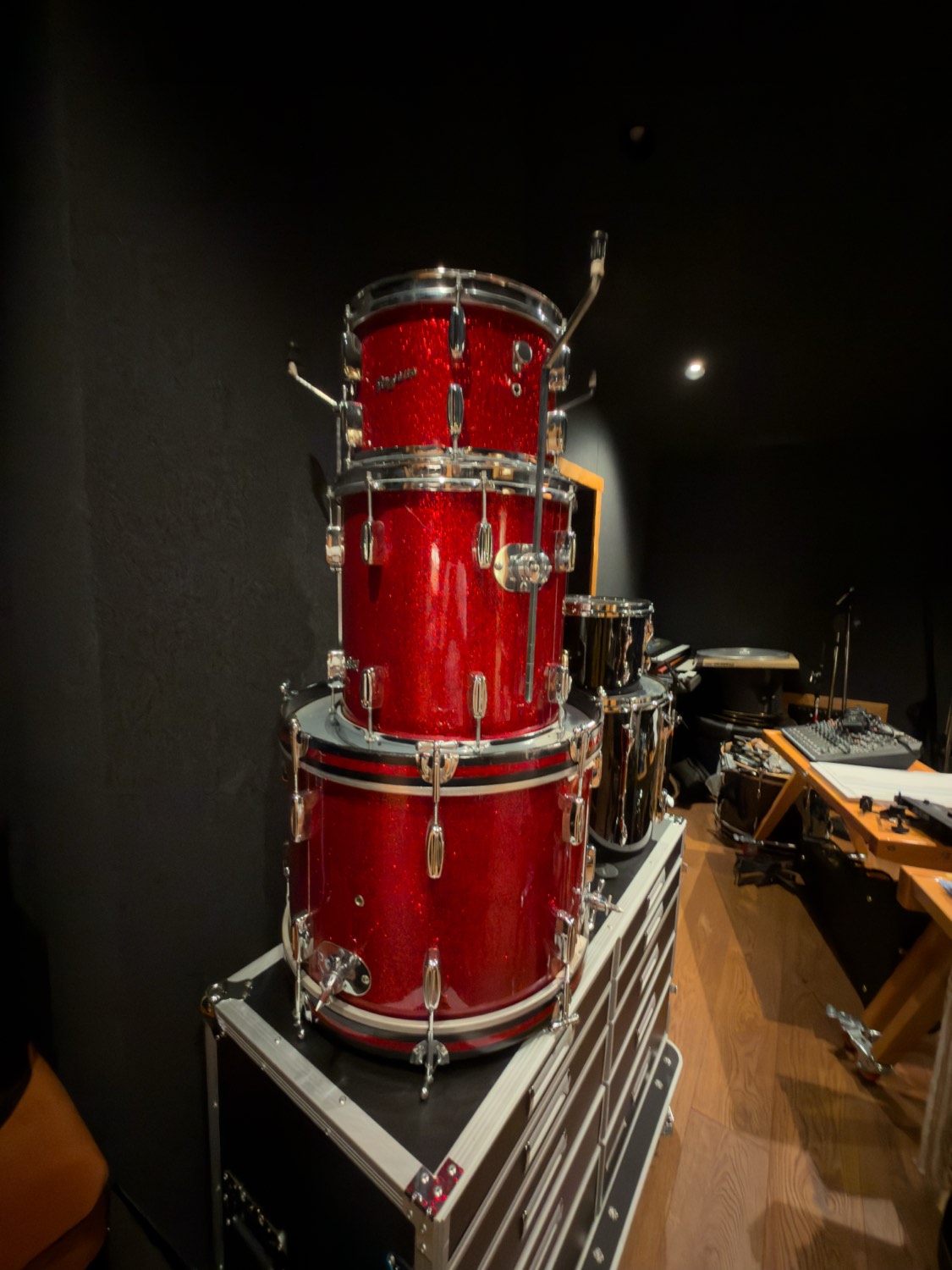
complementary — true opposites at 180° — maximum colour tension.
Opposites maximise simultaneous contrast: each makes the other look more saturated than it measures. Computed in OKLCh, not on an RGB wheel — hue-wheel complements are badly wrong for browns, which is most of this property.
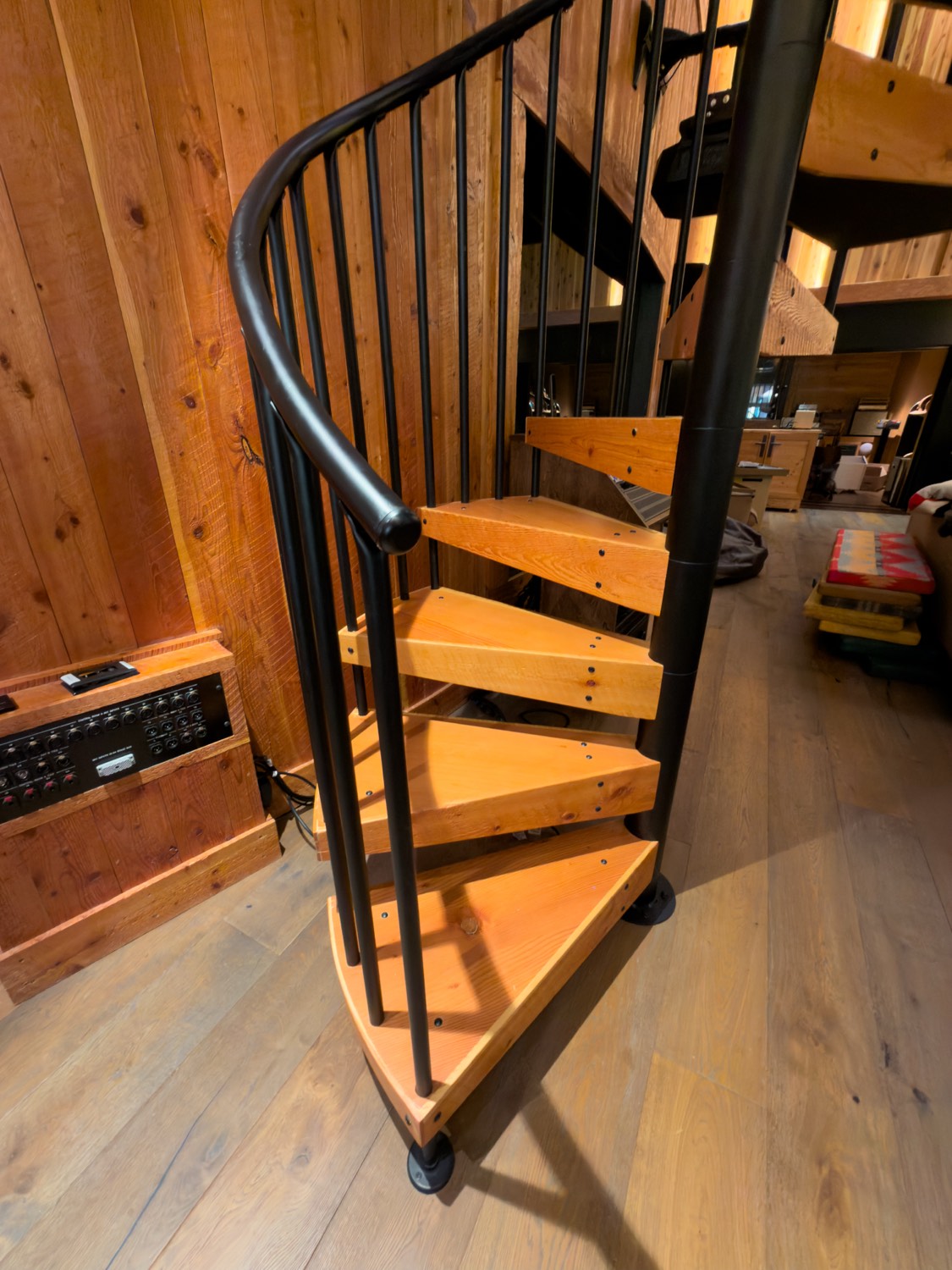
complementary — true opposites at 177° — maximum colour tension.
Opposites maximise simultaneous contrast: each makes the other look more saturated than it measures. Computed in OKLCh, not on an RGB wheel — hue-wheel complements are badly wrong for browns, which is most of this property.
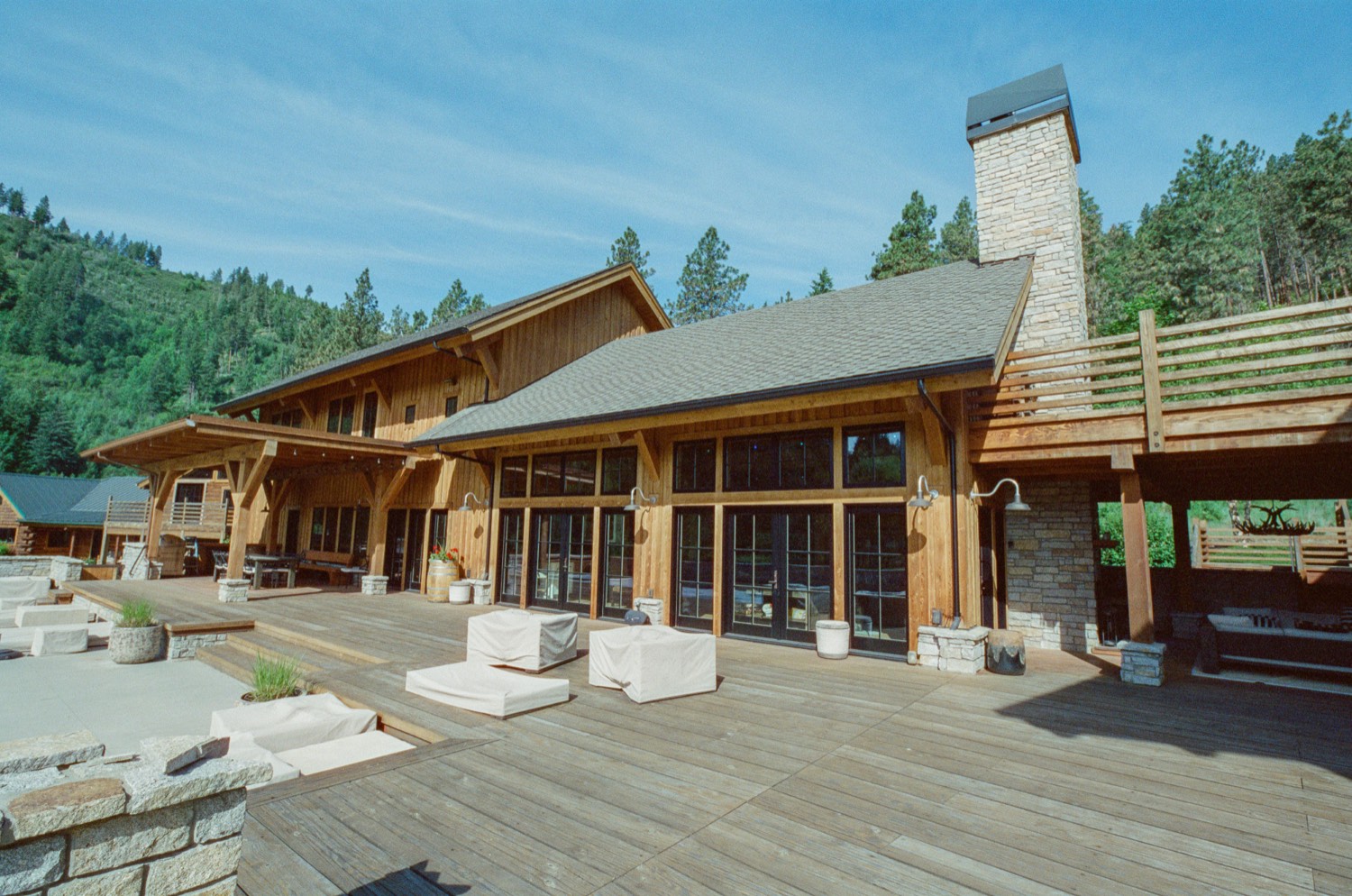
complementary — true opposites at 180° — maximum colour tension.
Opposites maximise simultaneous contrast: each makes the other look more saturated than it measures. Computed in OKLCh, not on an RGB wheel — hue-wheel complements are badly wrong for browns, which is most of this property.
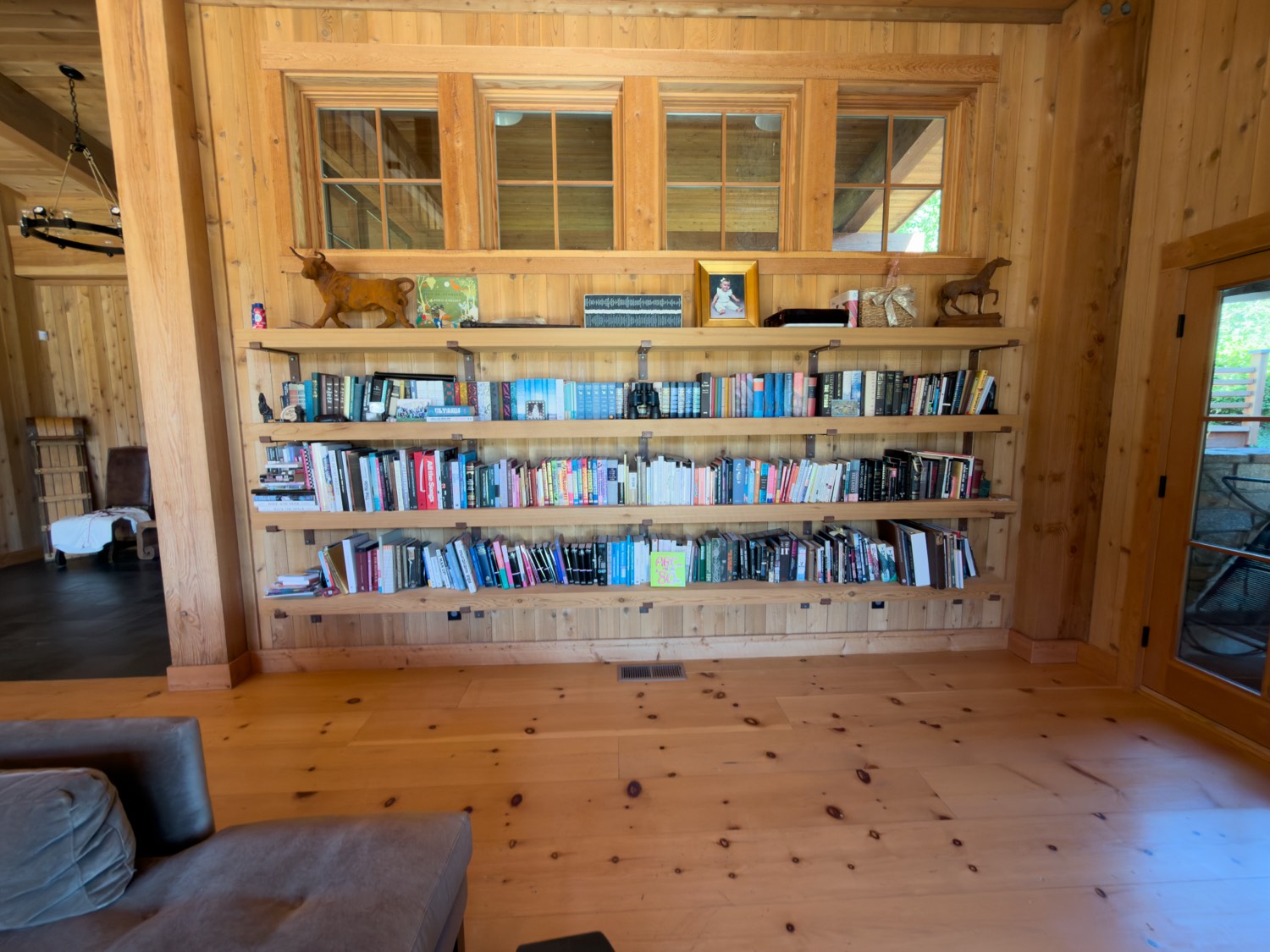
complementary — true opposites at 158° — maximum colour tension.
Opposites maximise simultaneous contrast: each makes the other look more saturated than it measures. Computed in OKLCh, not on an RGB wheel — hue-wheel complements are badly wrong for browns, which is most of this property.
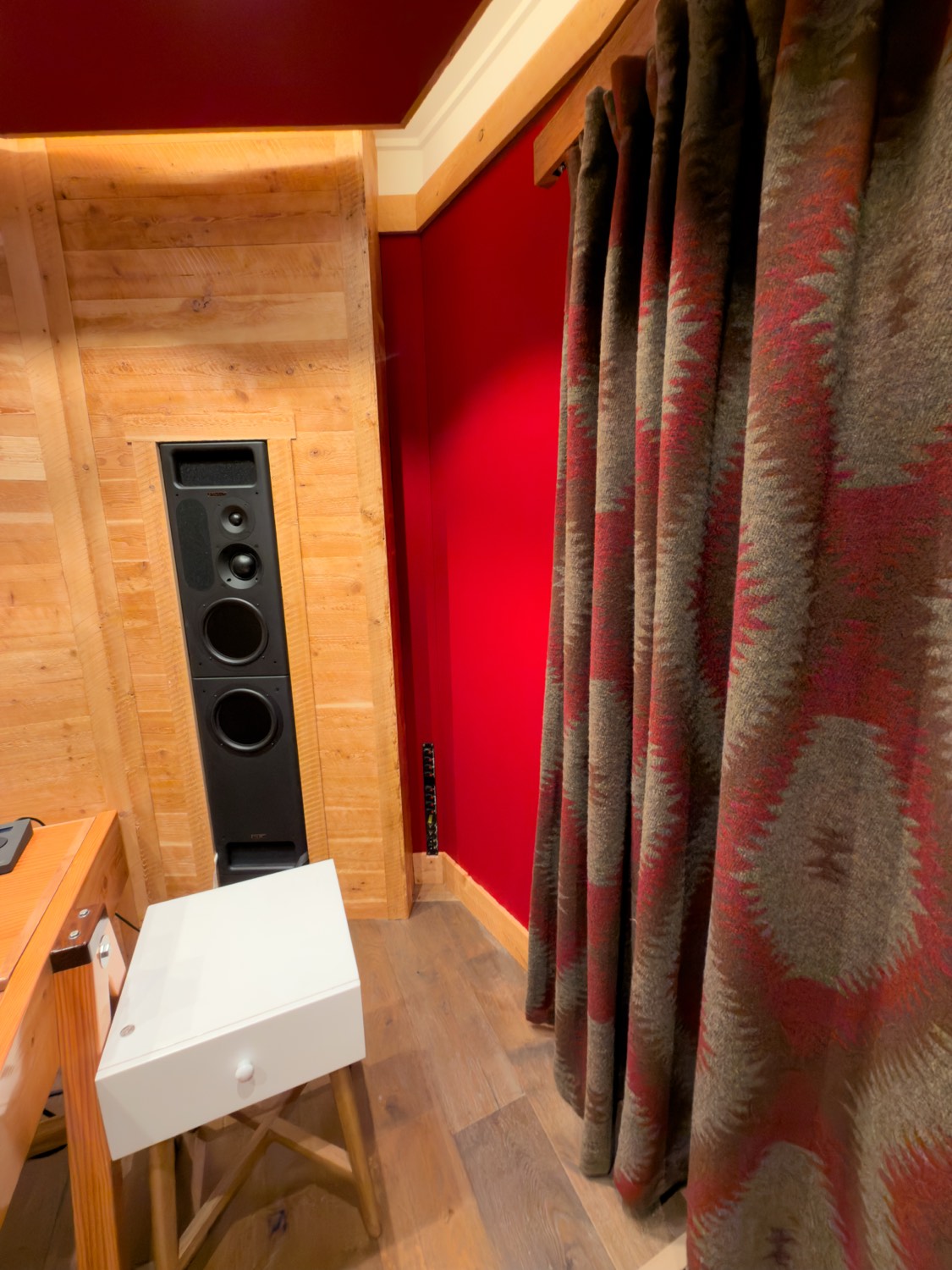
complementary — true opposites at 155° — maximum colour tension.
Opposites maximise simultaneous contrast: each makes the other look more saturated than it measures. Computed in OKLCh, not on an RGB wheel — hue-wheel complements are badly wrong for browns, which is most of this property.
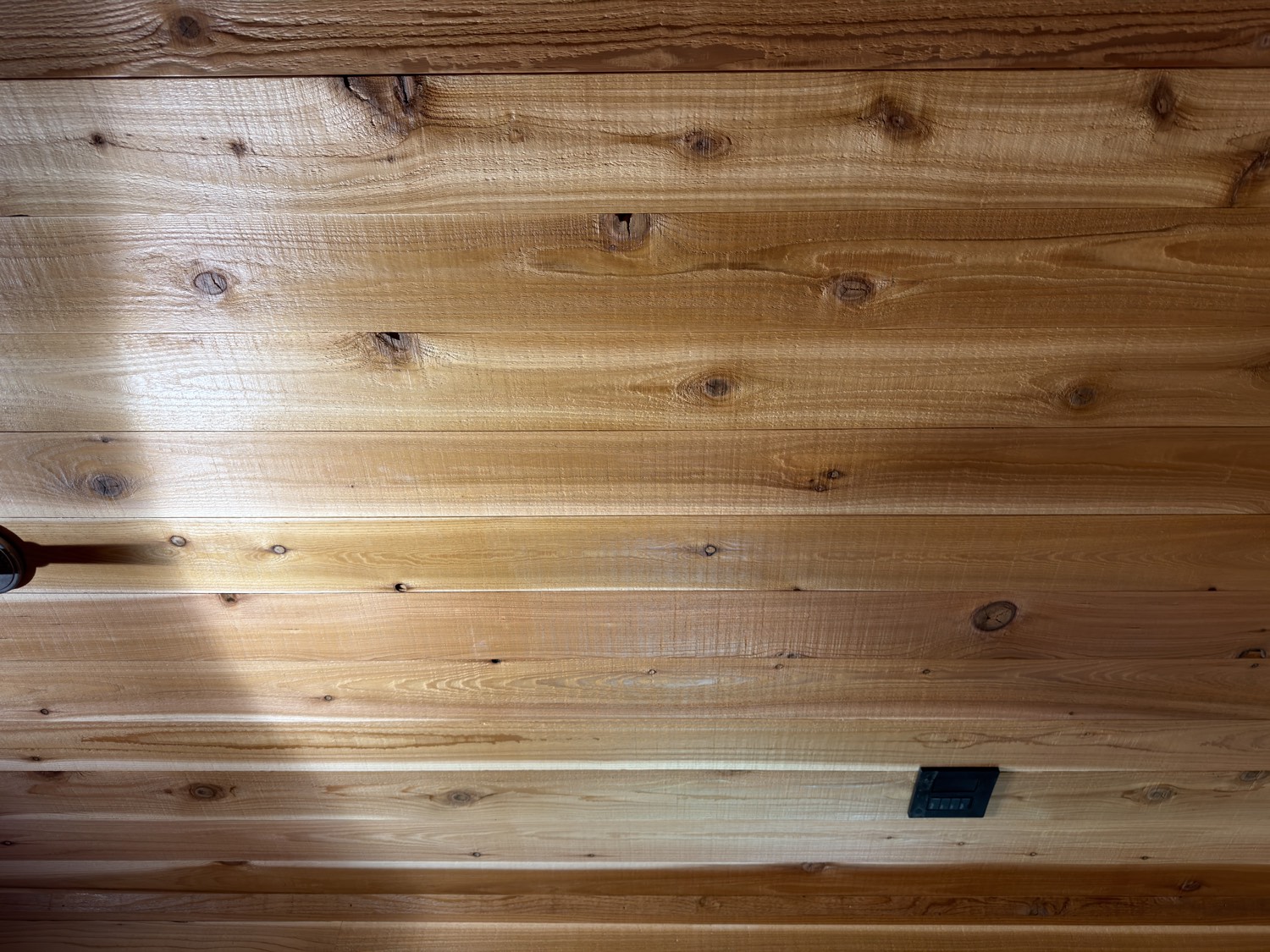
split-complementary — 149° apart — most of a complement's punch with less of the fight.
Split-complementary steps off the exact opposite by 15–30°. It keeps the tension but drops the vibration two true complements can produce at equal lightness.
complementary — true opposites at 171° — maximum colour tension.
Opposites maximise simultaneous contrast: each makes the other look more saturated than it measures. Computed in OKLCh, not on an RGB wheel — hue-wheel complements are badly wrong for browns, which is most of this property.
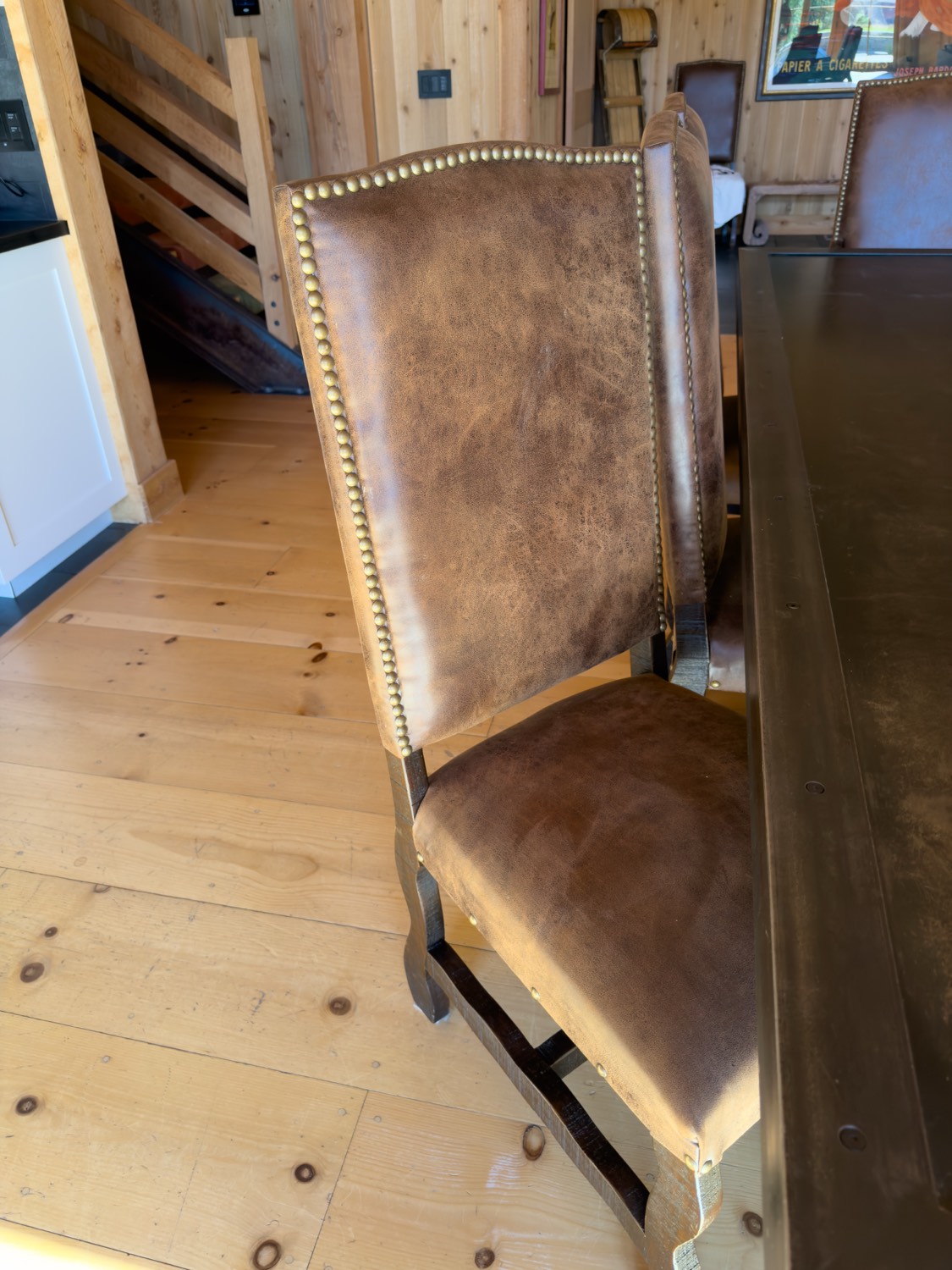
complementary — true opposites at 155° — maximum colour tension.
Opposites maximise simultaneous contrast: each makes the other look more saturated than it measures. Computed in OKLCh, not on an RGB wheel — hue-wheel complements are badly wrong for browns, which is most of this property.
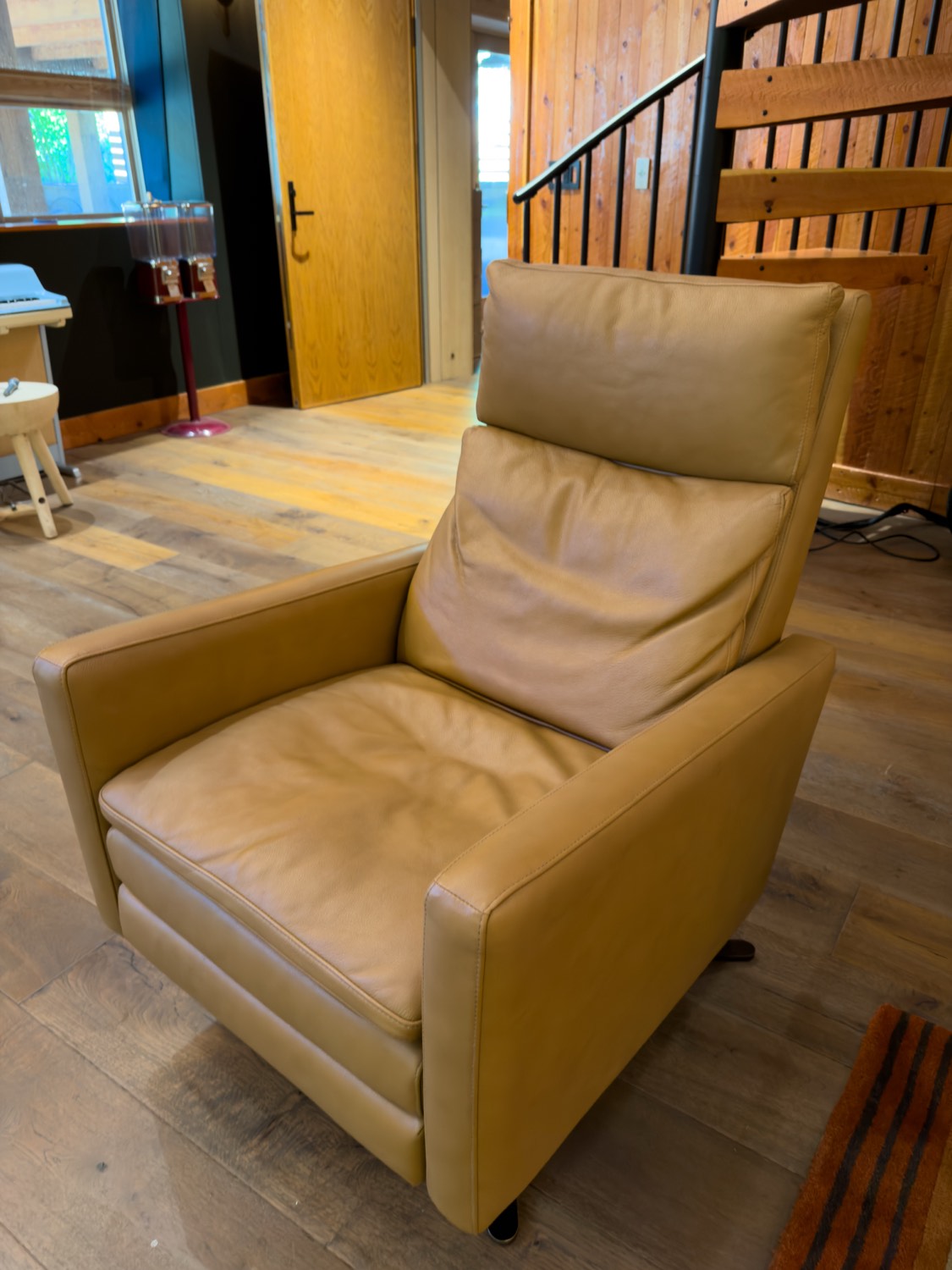
complementary — true opposites at 175° — maximum colour tension.
Opposites maximise simultaneous contrast: each makes the other look more saturated than it measures. Computed in OKLCh, not on an RGB wheel — hue-wheel complements are badly wrong for browns, which is most of this property.
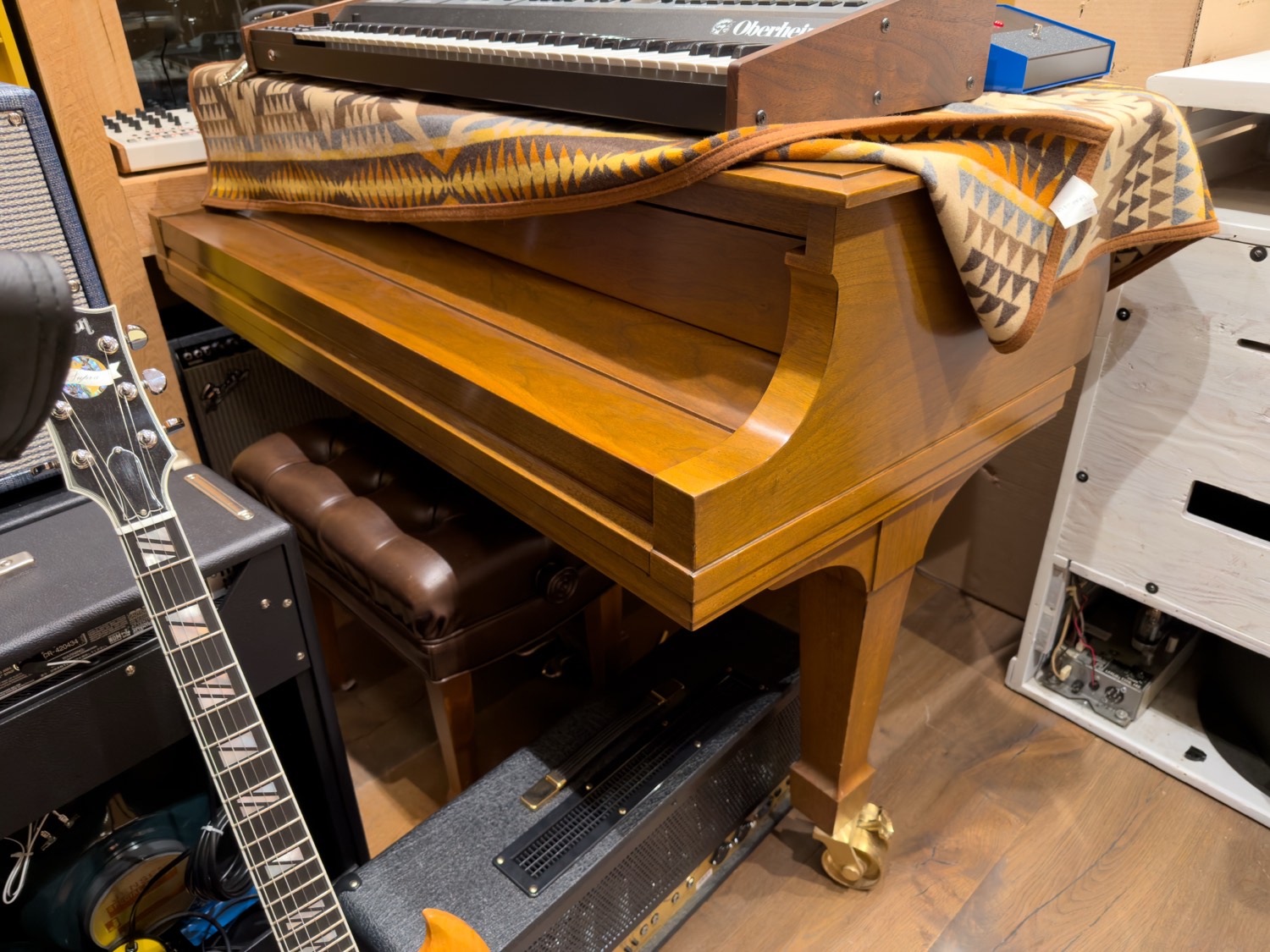
complementary — true opposites at 163° — maximum colour tension.
Opposites maximise simultaneous contrast: each makes the other look more saturated than it measures. Computed in OKLCh, not on an RGB wheel — hue-wheel complements are badly wrong for browns, which is most of this property.
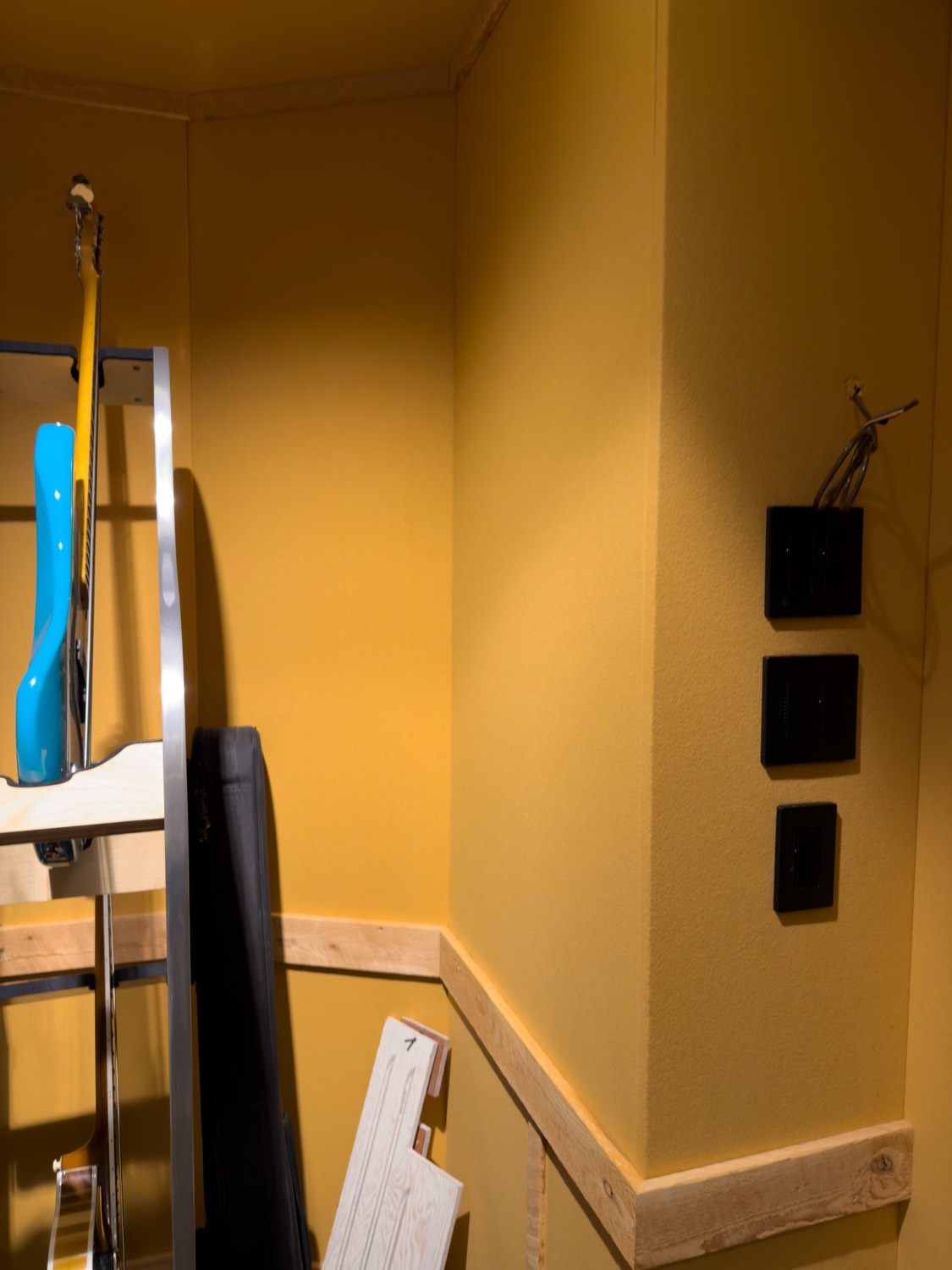
complementary — true opposites at 179° — maximum colour tension.
Opposites maximise simultaneous contrast: each makes the other look more saturated than it measures. Computed in OKLCh, not on an RGB wheel — hue-wheel complements are badly wrong for browns, which is most of this property.
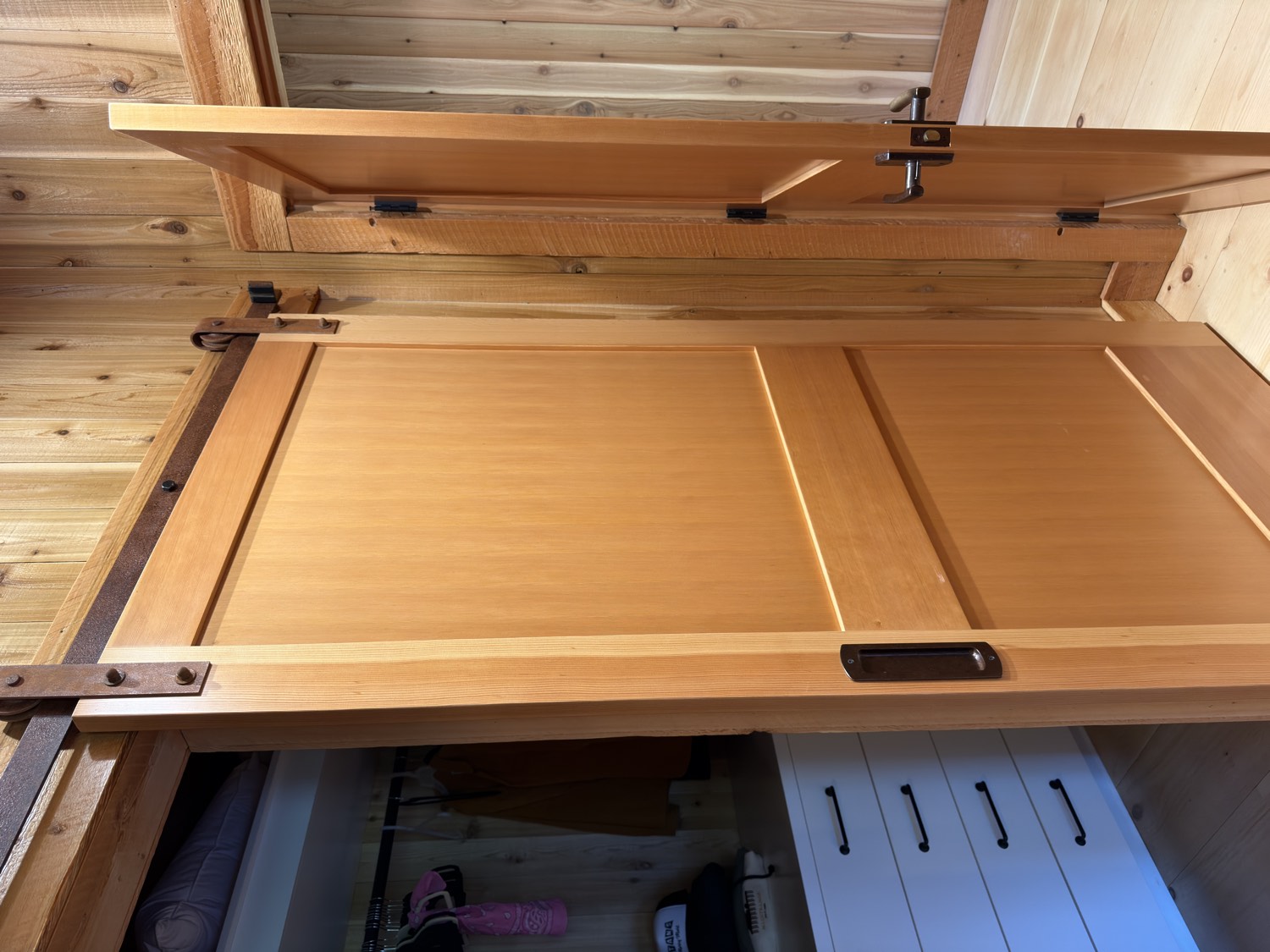
complementary — true opposites at 155° — maximum colour tension.
Opposites maximise simultaneous contrast: each makes the other look more saturated than it measures. Computed in OKLCh, not on an RGB wheel — hue-wheel complements are badly wrong for browns, which is most of this property.
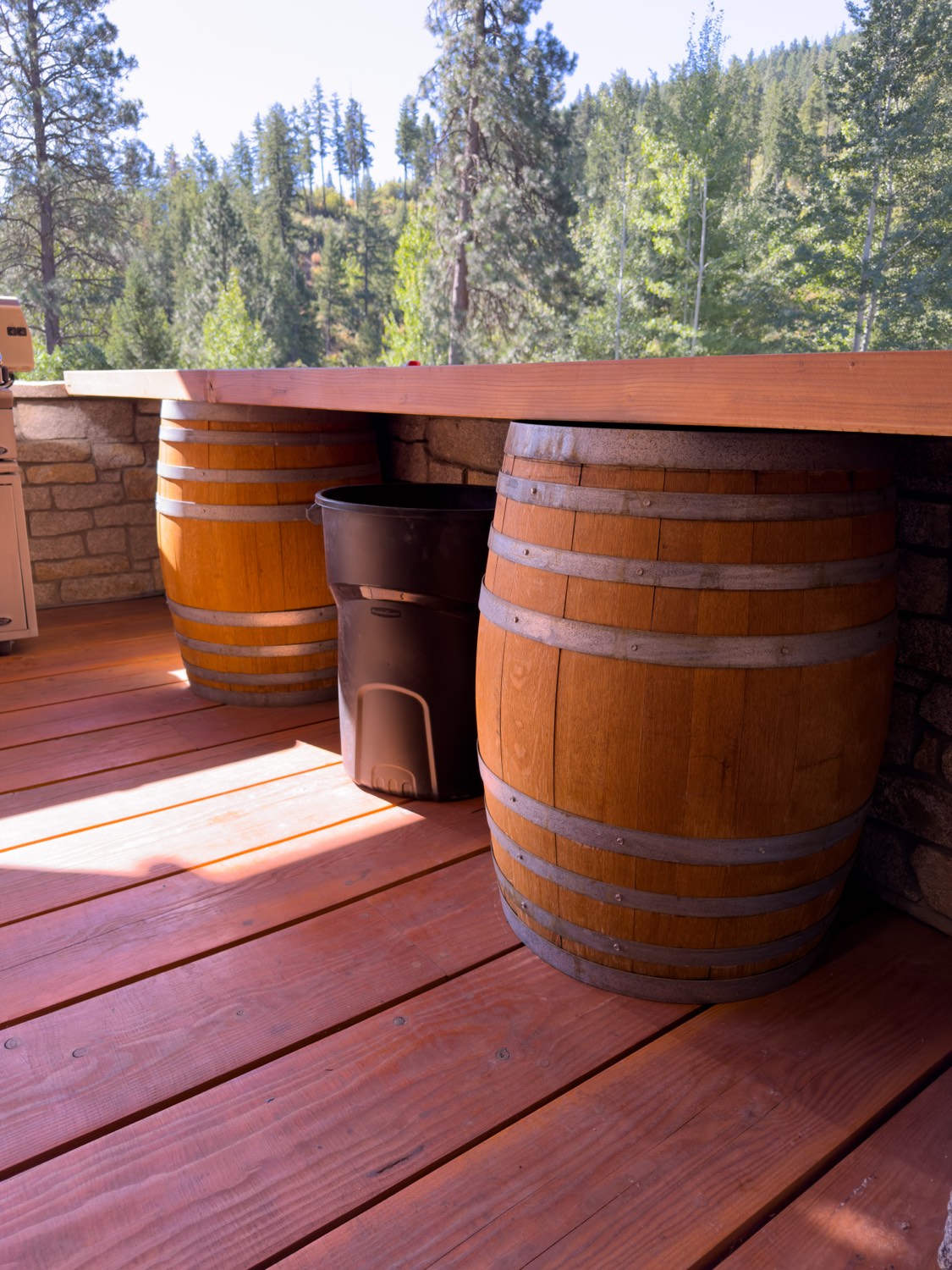
complementary — true opposites at 180° — maximum colour tension.
Opposites maximise simultaneous contrast: each makes the other look more saturated than it measures. Computed in OKLCh, not on an RGB wheel — hue-wheel complements are badly wrong for browns, which is most of this property.
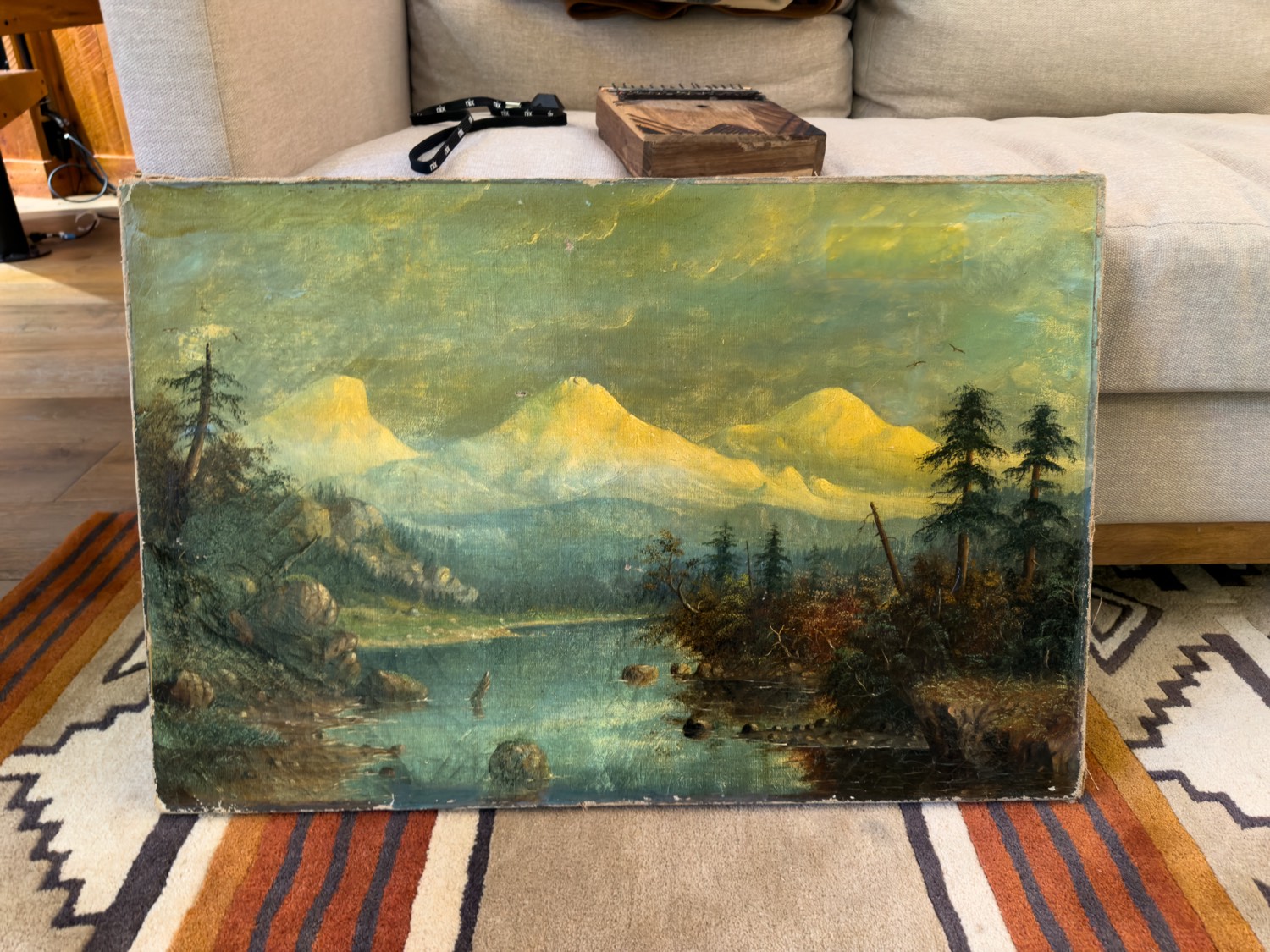
complementary — true opposites at 160° — maximum colour tension.
Opposites maximise simultaneous contrast: each makes the other look more saturated than it measures. Computed in OKLCh, not on an RGB wheel — hue-wheel complements are badly wrong for browns, which is most of this property.
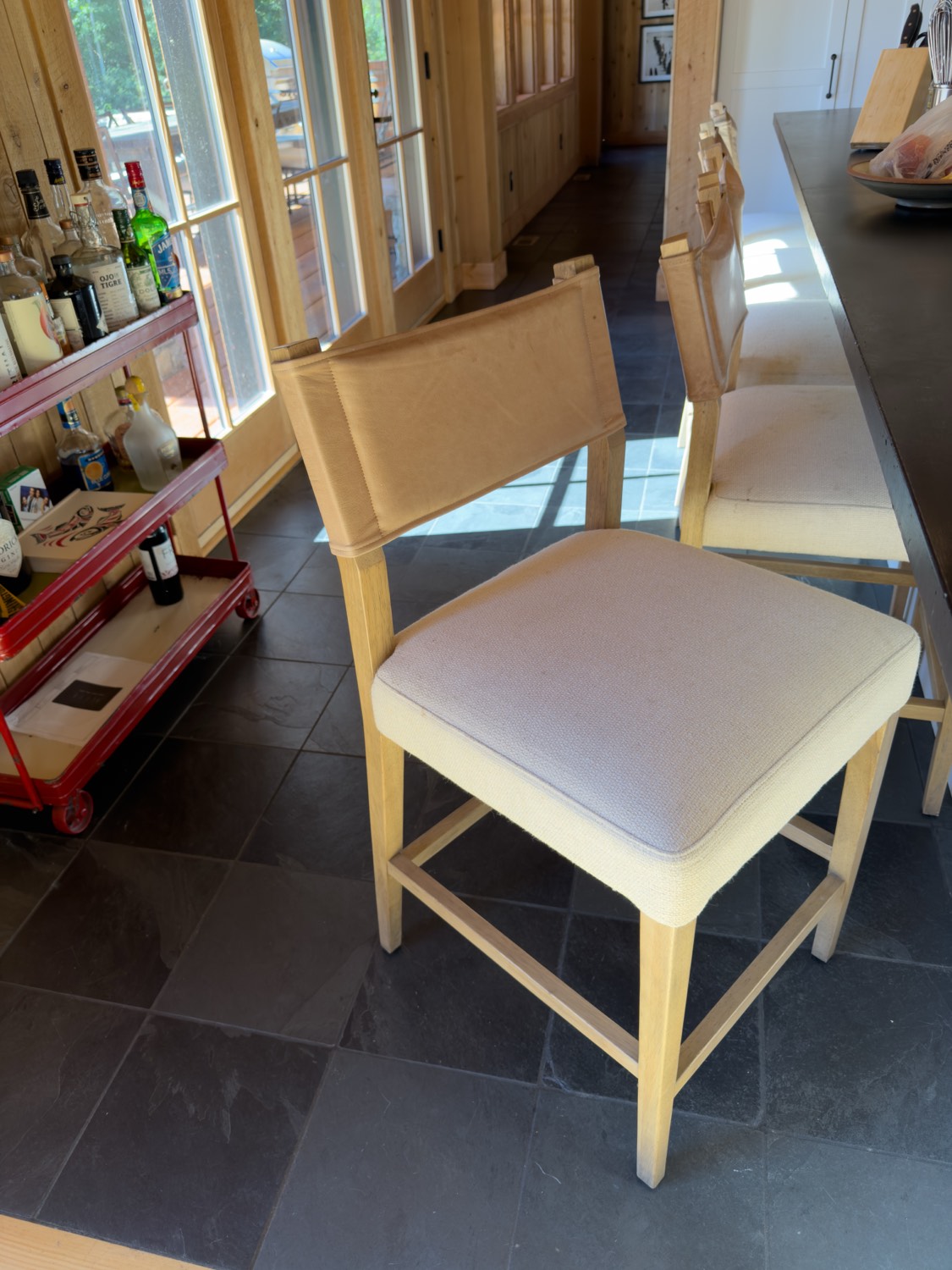
complementary — true opposites at 150° — maximum colour tension.
Opposites maximise simultaneous contrast: each makes the other look more saturated than it measures. Computed in OKLCh, not on an RGB wheel — hue-wheel complements are badly wrong for browns, which is most of this property.
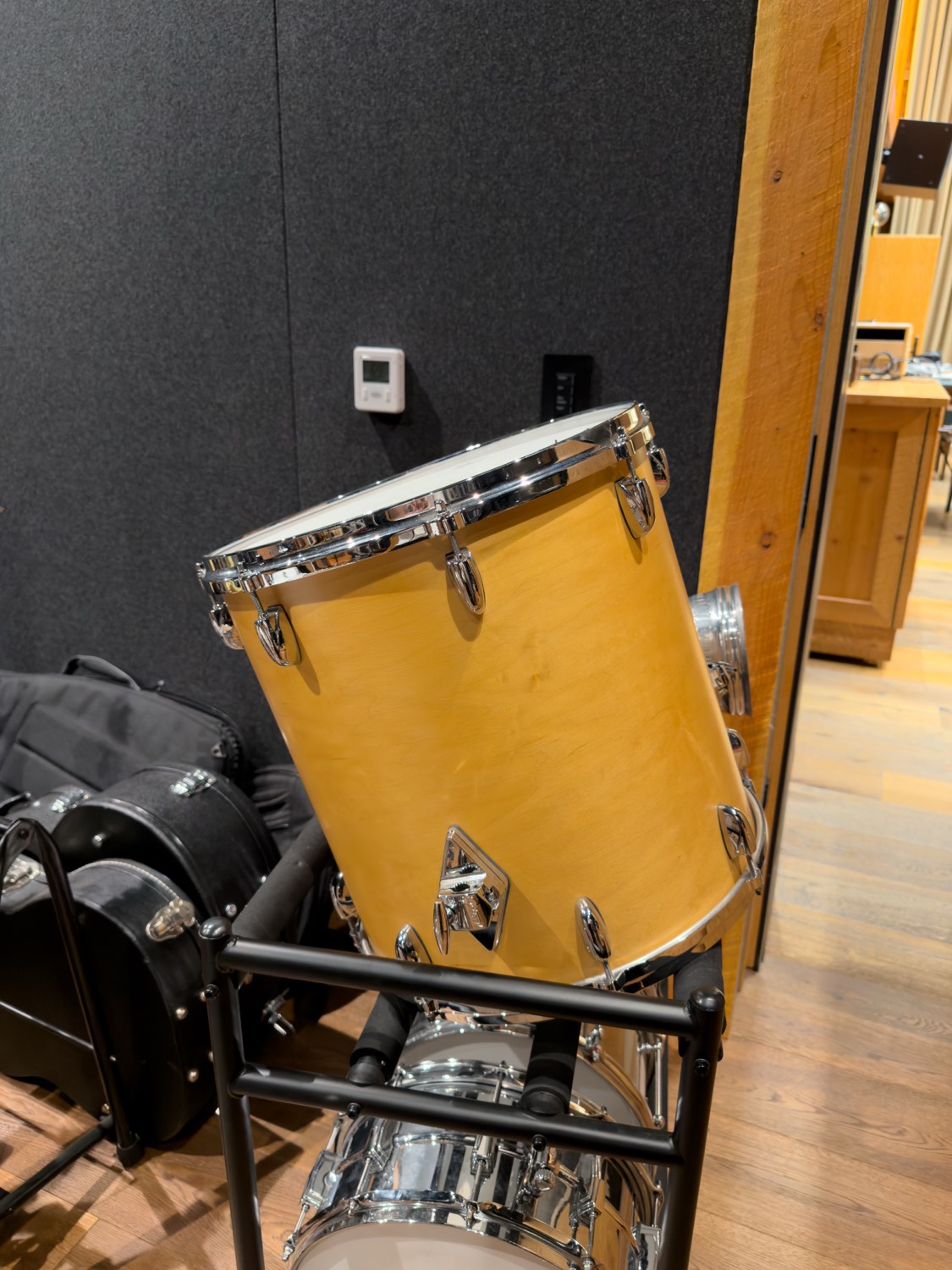
complementary — true opposites at 167° — maximum colour tension.
Opposites maximise simultaneous contrast: each makes the other look more saturated than it measures. Computed in OKLCh, not on an RGB wheel — hue-wheel complements are badly wrong for browns, which is most of this property.
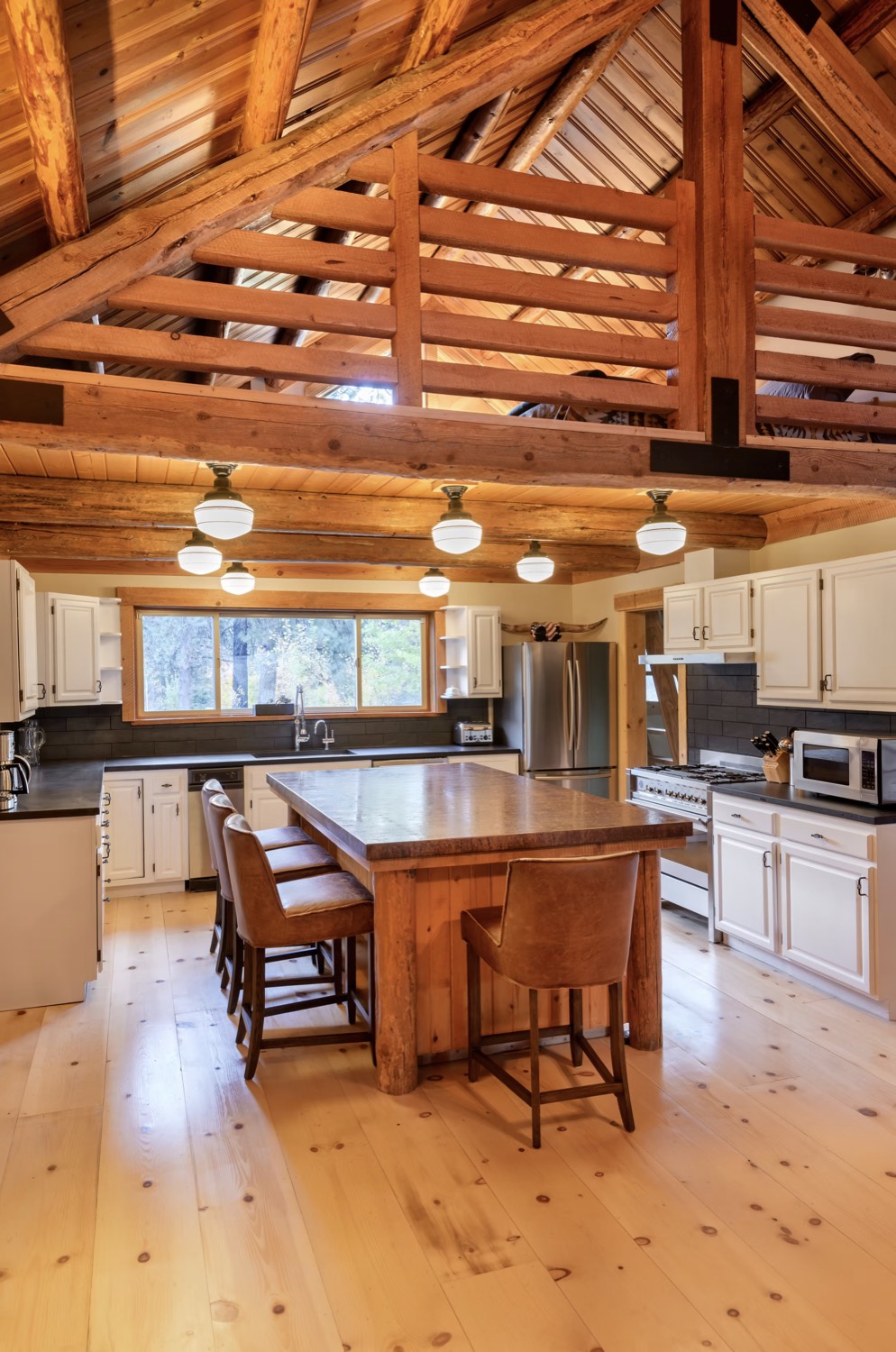
analogous — neighbouring hues only 19° apart, held apart by 0.39 of lightness.
Analogous pairs sit within roughly 30° on the wheel. They cohere by default, so the whole job is lightness separation — without it two neighbours flatten into one mass.
analogous — neighbouring hues only 12° apart, held apart by 0.28 of lightness.
Analogous pairs sit within roughly 30° on the wheel. They cohere by default, so the whole job is lightness separation — without it two neighbours flatten into one mass.
analogous — neighbouring hues only 3° apart, held apart by 0.11 of lightness.
Analogous pairs sit within roughly 30° on the wheel. They cohere by default, so the whole job is lightness separation — without it two neighbours flatten into one mass.
analogous — neighbouring hues only 6° apart, held apart by 0.12 of lightness.
Analogous pairs sit within roughly 30° on the wheel. They cohere by default, so the whole job is lightness separation — without it two neighbours flatten into one mass.
neutral ground — one side is effectively colourless and the other carries real chroma (0.10), so it grounds rather than competes, with 0.52 of lightness between them.
A near-neutral has no hue to argue with, so it reads as a ground. Contrast has to come from lightness instead — below about 0.20 apart in OKLab the pair just looks dirty.
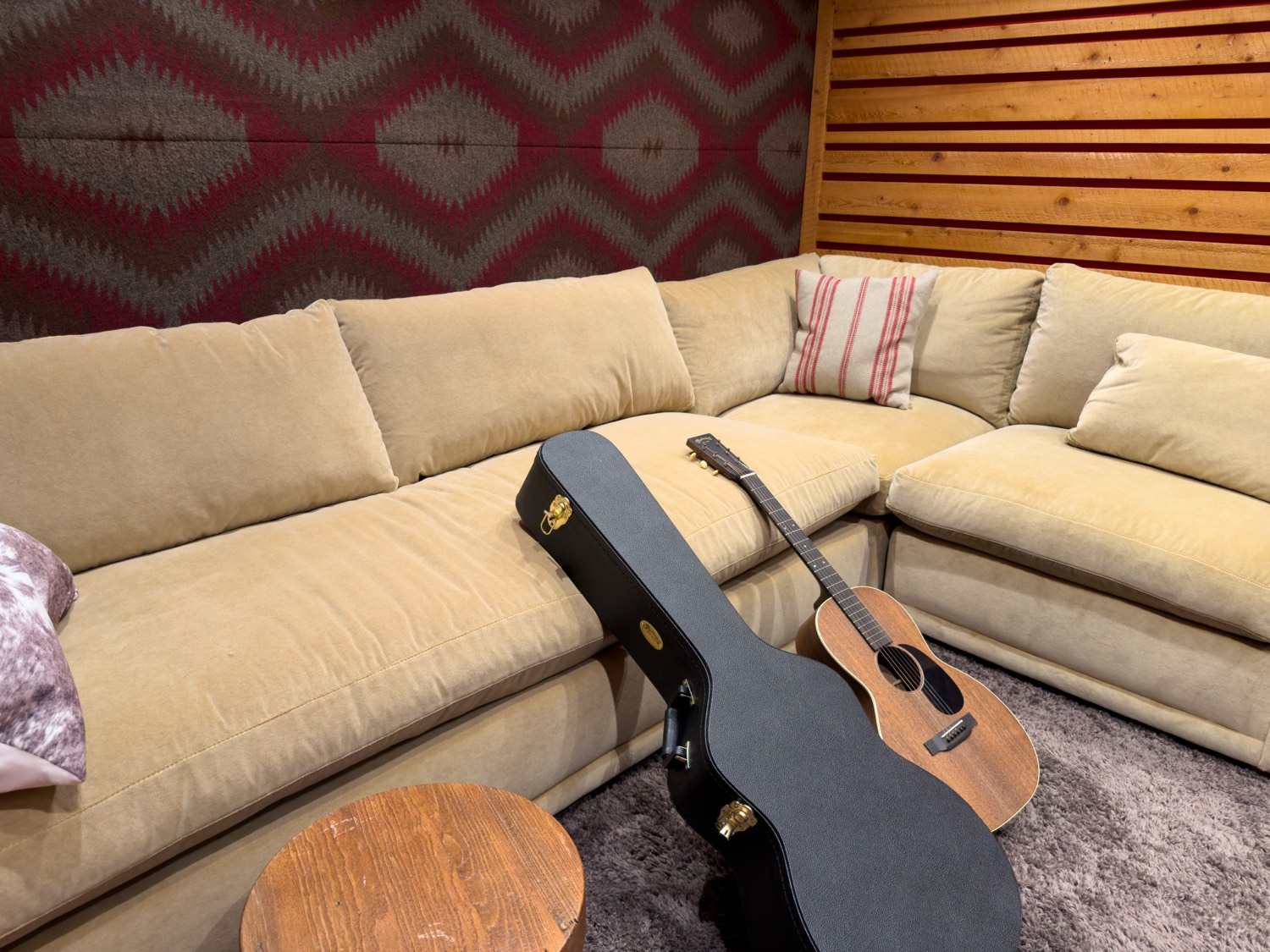
neutral ground — one side is effectively colourless and the other carries real chroma (0.11), so it grounds rather than competes, with 0.31 of lightness between them.
A near-neutral has no hue to argue with, so it reads as a ground. Contrast has to come from lightness instead — below about 0.20 apart in OKLab the pair just looks dirty.
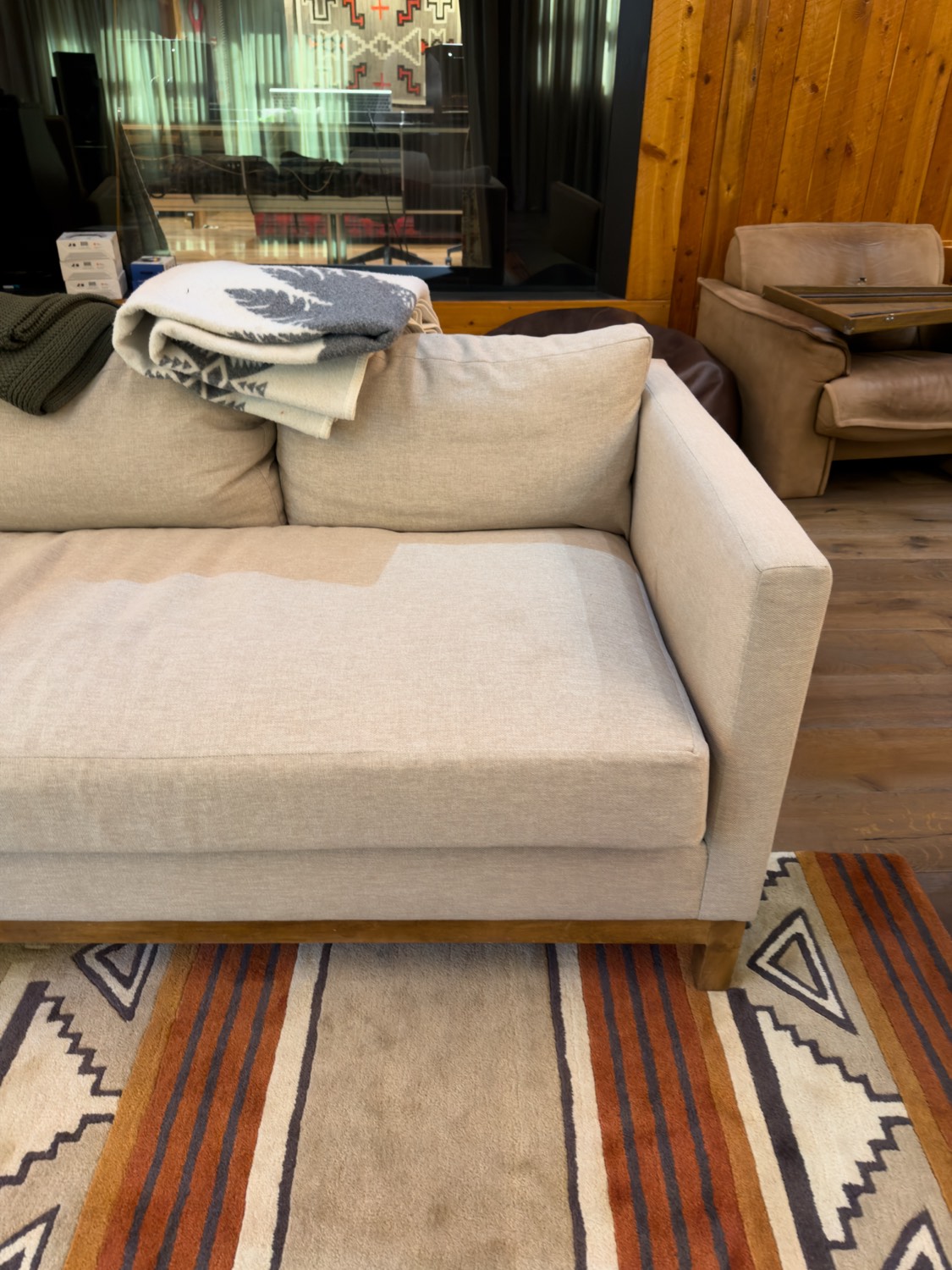
neutral ground — one side is effectively colourless and the other carries real chroma (0.12), so it grounds rather than competes, with 0.36 of lightness between them.
A near-neutral has no hue to argue with, so it reads as a ground. Contrast has to come from lightness instead — below about 0.20 apart in OKLab the pair just looks dirty.
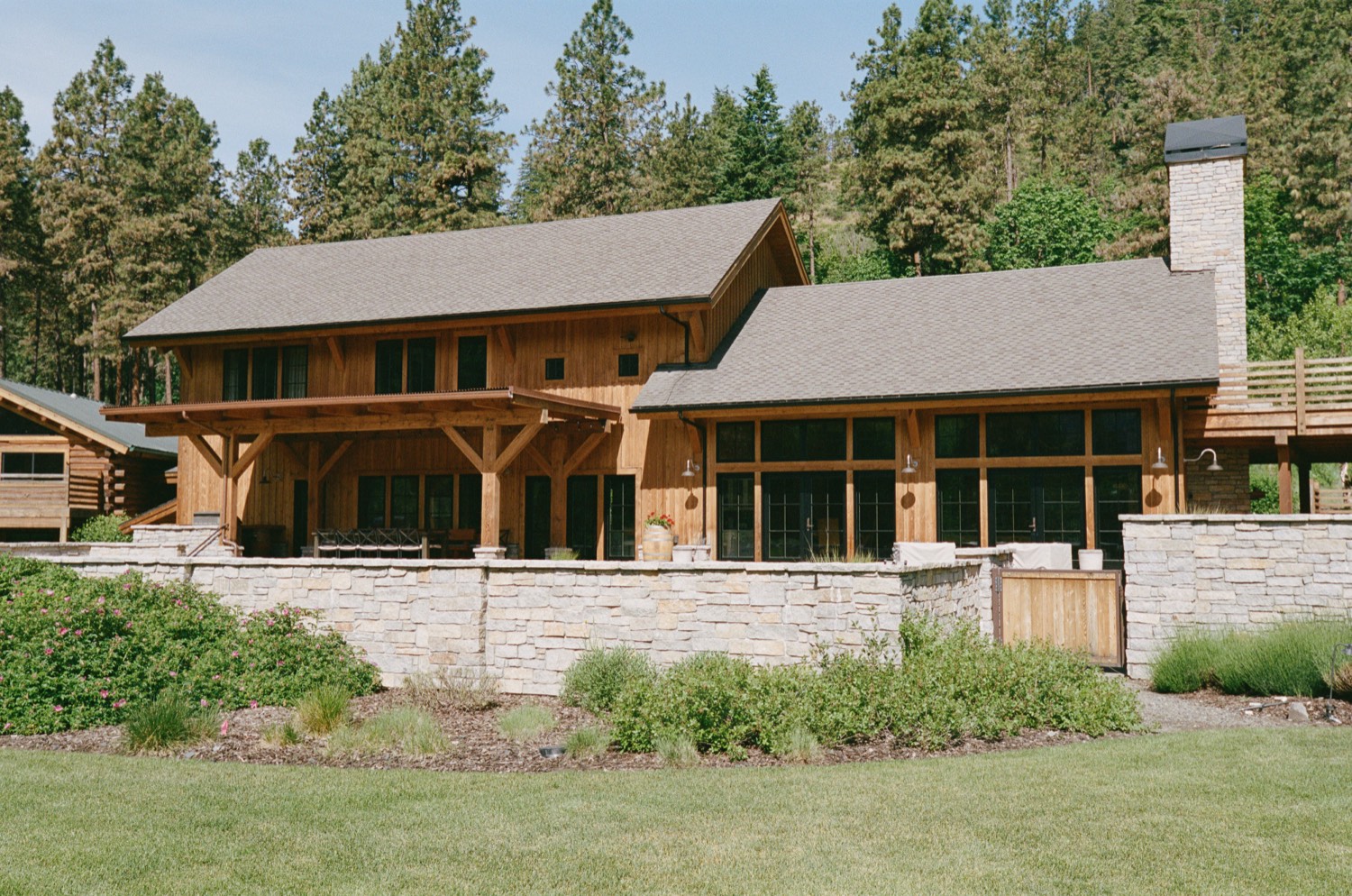
neutral ground — one side is effectively colourless and the other carries real chroma (0.09), so it grounds rather than competes, with 0.48 of lightness between them.
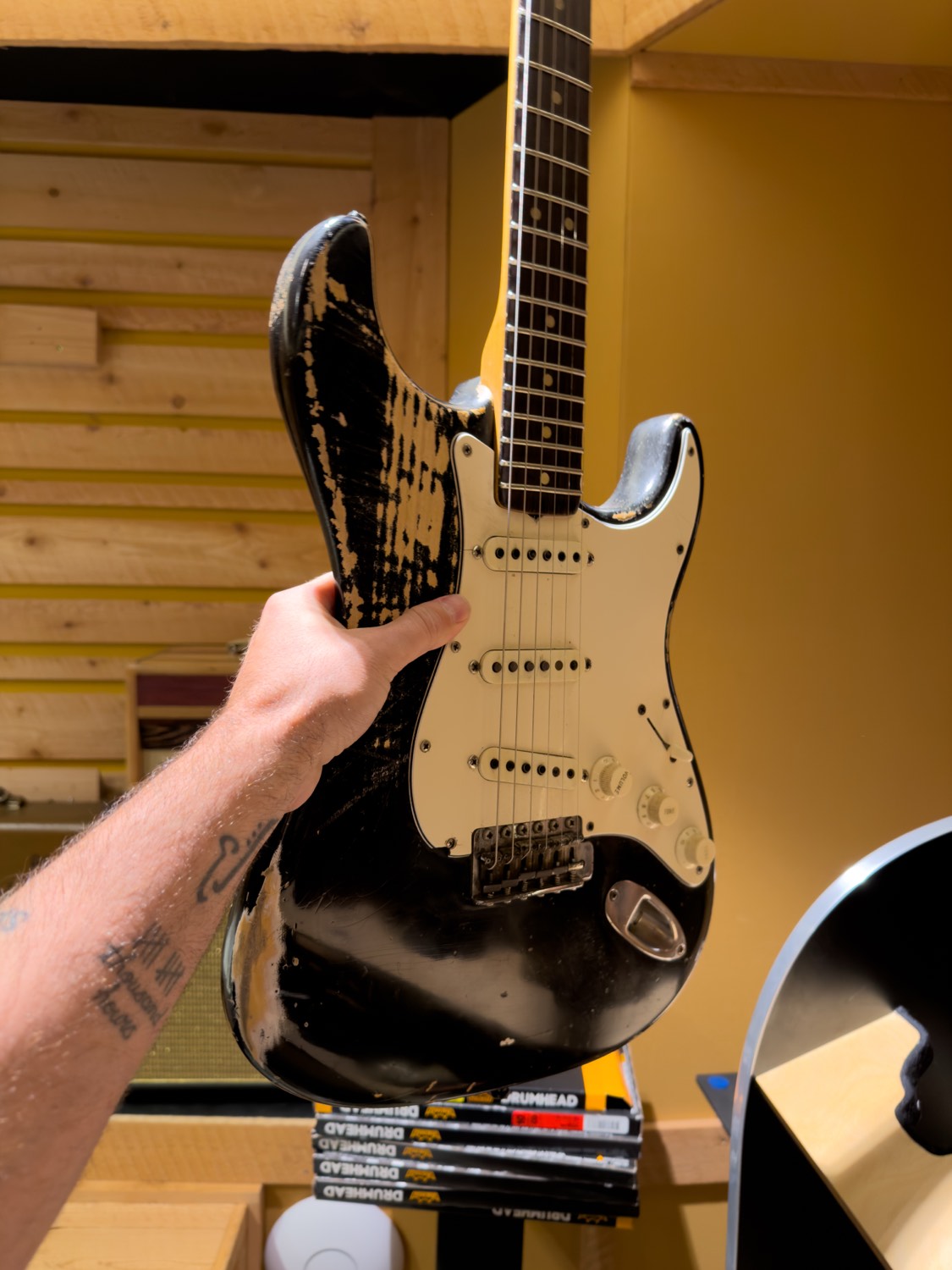
A near-neutral has no hue to argue with, so it reads as a ground. Contrast has to come from lightness instead — below about 0.20 apart in OKLab the pair just looks dirty.
analogous — neighbouring hues only 26° apart, held apart by 0.17 of lightness.
Analogous pairs sit within roughly 30° on the wheel. They cohere by default, so the whole job is lightness separation — without it two neighbours flatten into one mass.
neutral ground — one side is effectively colourless and the other carries real chroma (0.12), so it grounds rather than competes, with 0.22 of lightness between them.
A near-neutral has no hue to argue with, so it reads as a ground. Contrast has to come from lightness instead — below about 0.20 apart in OKLab the pair just looks dirty.
analogous — neighbouring hues only 10° apart, held apart by 0.16 of lightness.
Analogous pairs sit within roughly 30° on the wheel. They cohere by default, so the whole job is lightness separation — without it two neighbours flatten into one mass.
neutral ground — one side is effectively colourless and the other carries real chroma (0.17), so it grounds rather than competes, with 0.22 of lightness between them.
A near-neutral has no hue to argue with, so it reads as a ground. Contrast has to come from lightness instead — below about 0.20 apart in OKLab the pair just looks dirty.
neutral ground — one side is effectively colourless and the other carries real chroma (0.08), so it grounds rather than competes, with 0.32 of lightness between them.
A near-neutral has no hue to argue with, so it reads as a ground. Contrast has to come from lightness instead — below about 0.20 apart in OKLab the pair just looks dirty.
analogous — neighbouring hues only 17° apart, held apart by 0.20 of lightness.
Analogous pairs sit within roughly 30° on the wheel. They cohere by default, so the whole job is lightness separation — without it two neighbours flatten into one mass.
analogous — neighbouring hues only 23° apart, held apart by 0.34 of lightness.
Analogous pairs sit within roughly 30° on the wheel. They cohere by default, so the whole job is lightness separation — without it two neighbours flatten into one mass.
analogous — neighbouring hues only 17° apart, held apart by 0.17 of lightness.
Analogous pairs sit within roughly 30° on the wheel. They cohere by default, so the whole job is lightness separation — without it two neighbours flatten into one mass.
neutral ground — one side is effectively colourless and the other carries real chroma (0.18), so it grounds rather than competes, with 0.20 of lightness between them.
A near-neutral has no hue to argue with, so it reads as a ground. Contrast has to come from lightness instead — below about 0.20 apart in OKLab the pair just looks dirty.
neutral ground — one side is effectively colourless and the other carries real chroma (0.15), so it grounds rather than competes, with 0.56 of lightness between them.
A near-neutral has no hue to argue with, so it reads as a ground. Contrast has to come from lightness instead — below about 0.20 apart in OKLab the pair just looks dirty.
neutral ground — one side is effectively colourless and the other carries real chroma (0.14), so it grounds rather than competes, with 0.20 of lightness between them.
A near-neutral has no hue to argue with, so it reads as a ground. Contrast has to come from lightness instead — below about 0.20 apart in OKLab the pair just looks dirty.
neutral ground — one side is effectively colourless and the other carries real chroma (0.11), so it grounds rather than competes, with 0.27 of lightness between them.
A near-neutral has no hue to argue with, so it reads as a ground. Contrast has to come from lightness instead — below about 0.20 apart in OKLab the pair just looks dirty.
neutral ground — one side is effectively colourless and the other carries real chroma (0.10), so it grounds rather than competes, with 0.25 of lightness between them.
A near-neutral has no hue to argue with, so it reads as a ground. Contrast has to come from lightness instead — below about 0.20 apart in OKLab the pair just looks dirty.
neutral ground — one side is effectively colourless and the other carries real chroma (0.10), so it grounds rather than competes, with 0.58 of lightness between them.
A near-neutral has no hue to argue with, so it reads as a ground. Contrast has to come from lightness instead — below about 0.20 apart in OKLab the pair just looks dirty.
analogous — neighbouring hues only 7° apart, held apart by 0.13 of lightness.
Analogous pairs sit within roughly 30° on the wheel. They cohere by default, so the whole job is lightness separation — without it two neighbours flatten into one mass.
neutral ground — one side is effectively colourless and the other carries real chroma (0.09), so it grounds rather than competes, with 0.32 of lightness between them.
A near-neutral has no hue to argue with, so it reads as a ground. Contrast has to come from lightness instead — below about 0.20 apart in OKLab the pair just looks dirty.
neutral ground — one side is effectively colourless and the other carries real chroma (0.10), so it grounds rather than competes, with 0.38 of lightness between them.
A near-neutral has no hue to argue with, so it reads as a ground. Contrast has to come from lightness instead — below about 0.20 apart in OKLab the pair just looks dirty.
neutral ground — one side is effectively colourless and the other carries real chroma (0.13), so it grounds rather than competes, with 0.61 of lightness between them.
A near-neutral has no hue to argue with, so it reads as a ground. Contrast has to come from lightness instead — below about 0.20 apart in OKLab the pair just looks dirty.
Red Room · fixed wall — bring things to it
neutral ground — one side is effectively colourless and the other carries real chroma (0.14), so it grounds rather than competes, with 0.23 of lightness between them.
A near-neutral has no hue to argue with, so it reads as a ground. Contrast has to come from lightness instead — below about 0.20 apart in OKLab the pair just looks dirty.
neutral ground — one side is effectively colourless and the other carries real chroma (0.10), so it grounds rather than competes, with 0.25 of lightness between them.
A near-neutral has no hue to argue with, so it reads as a ground. Contrast has to come from lightness instead — below about 0.20 apart in OKLab the pair just looks dirty.
neutral ground — one side is effectively colourless and the other carries real chroma (0.10), so it grounds rather than competes, with 0.30 of lightness between them.
A near-neutral has no hue to argue with, so it reads as a ground. Contrast has to come from lightness instead — below about 0.20 apart in OKLab the pair just looks dirty.
analogous — neighbouring hues only 21° apart, held apart by 0.29 of lightness.
Analogous pairs sit within roughly 30° on the wheel. They cohere by default, so the whole job is lightness separation — without it two neighbours flatten into one mass.
neutral ground — one side is effectively colourless and the other carries real chroma (0.11), so it grounds rather than competes, with 0.35 of lightness between them.
A near-neutral has no hue to argue with, so it reads as a ground. Contrast has to come from lightness instead — below about 0.20 apart in OKLab the pair just looks dirty.
neutral ground — one side is effectively colourless and the other carries real chroma (0.12), so it grounds rather than competes, with 0.31 of lightness between them.
A near-neutral has no hue to argue with, so it reads as a ground. Contrast has to come from lightness instead — below about 0.20 apart in OKLab the pair just looks dirty.
neutral ground — one side is effectively colourless and the other carries real chroma (0.12), so it grounds rather than competes, with 0.28 of lightness between them.
A near-neutral has no hue to argue with, so it reads as a ground. Contrast has to come from lightness instead — below about 0.20 apart in OKLab the pair just looks dirty.
analogous — neighbouring hues only 21° apart, held apart by 0.43 of lightness.
Analogous pairs sit within roughly 30° on the wheel. They cohere by default, so the whole job is lightness separation — without it two neighbours flatten into one mass.
analogous — neighbouring hues only 15° apart, held apart by 0.25 of lightness.
Analogous pairs sit within roughly 30° on the wheel. They cohere by default, so the whole job is lightness separation — without it two neighbours flatten into one mass.
analogous — neighbouring hues only 7° apart, held apart by 0.10 of lightness.
Analogous pairs sit within roughly 30° on the wheel. They cohere by default, so the whole job is lightness separation — without it two neighbours flatten into one mass.
analogous — neighbouring hues only 13° apart, held apart by 0.24 of lightness.
Analogous pairs sit within roughly 30° on the wheel. They cohere by default, so the whole job is lightness separation — without it two neighbours flatten into one mass.
analogous — neighbouring hues only 19° apart, held apart by 0.25 of lightness.
Analogous pairs sit within roughly 30° on the wheel. They cohere by default, so the whole job is lightness separation — without it two neighbours flatten into one mass.
analogous — neighbouring hues only 8° apart, held apart by 0.12 of lightness.
Analogous pairs sit within roughly 30° on the wheel. They cohere by default, so the whole job is lightness separation — without it two neighbours flatten into one mass.
analogous — neighbouring hues only 18° apart, held apart by 0.21 of lightness.
Analogous pairs sit within roughly 30° on the wheel. They cohere by default, so the whole job is lightness separation — without it two neighbours flatten into one mass.
analogous — neighbouring hues only 5° apart, held apart by 0.14 of lightness.
Analogous pairs sit within roughly 30° on the wheel. They cohere by default, so the whole job is lightness separation — without it two neighbours flatten into one mass.
analogous — neighbouring hues only 21° apart, held apart by 0.25 of lightness.
Analogous pairs sit within roughly 30° on the wheel. They cohere by default, so the whole job is lightness separation — without it two neighbours flatten into one mass.
analogous — neighbouring hues only 19° apart, held apart by 0.26 of lightness.
Analogous pairs sit within roughly 30° on the wheel. They cohere by default, so the whole job is lightness separation — without it two neighbours flatten into one mass.
analogous — neighbouring hues only 17° apart, held apart by 0.15 of lightness.
Analogous pairs sit within roughly 30° on the wheel. They cohere by default, so the whole job is lightness separation — without it two neighbours flatten into one mass.
analogous — neighbouring hues only 16° apart, held apart by 0.11 of lightness.
Analogous pairs sit within roughly 30° on the wheel. They cohere by default, so the whole job is lightness separation — without it two neighbours flatten into one mass.
analogous — neighbouring hues only 19° apart, held apart by 0.26 of lightness.
Analogous pairs sit within roughly 30° on the wheel. They cohere by default, so the whole job is lightness separation — without it two neighbours flatten into one mass.
analogous — neighbouring hues only 15° apart, held apart by 0.23 of lightness.
Analogous pairs sit within roughly 30° on the wheel. They cohere by default, so the whole job is lightness separation — without it two neighbours flatten into one mass.
neutral ground — one side is effectively colourless and the other carries real chroma (0.14), so it grounds rather than competes, with 0.30 of lightness between them.
A near-neutral has no hue to argue with, so it reads as a ground. Contrast has to come from lightness instead — below about 0.20 apart in OKLab the pair just looks dirty.
neutral ground — one side is effectively colourless and the other carries real chroma (0.14), so it grounds rather than competes, with 0.27 of lightness between them.
A near-neutral has no hue to argue with, so it reads as a ground. Contrast has to come from lightness instead — below about 0.20 apart in OKLab the pair just looks dirty.
neutral ground — one side is effectively colourless and the other carries real chroma (0.15), so it grounds rather than competes, with 0.22 of lightness between them.
A near-neutral has no hue to argue with, so it reads as a ground. Contrast has to come from lightness instead — below about 0.20 apart in OKLab the pair just looks dirty.
neutral ground — one side is effectively colourless and the other carries real chroma (0.14), so it grounds rather than competes, with 0.46 of lightness between them.
A near-neutral has no hue to argue with, so it reads as a ground. Contrast has to come from lightness instead — below about 0.20 apart in OKLab the pair just looks dirty.
neutral ground — one side is effectively colourless and the other carries real chroma (0.14), so it grounds rather than competes, with 0.40 of lightness between them.
A near-neutral has no hue to argue with, so it reads as a ground. Contrast has to come from lightness instead — below about 0.20 apart in OKLab the pair just looks dirty.
neutral ground — one side is effectively colourless and the other carries real chroma (0.13), so it grounds rather than competes, with 0.34 of lightness between them.
A near-neutral has no hue to argue with, so it reads as a ground. Contrast has to come from lightness instead — below about 0.20 apart in OKLab the pair just looks dirty.
neutral ground — one side is effectively colourless and the other carries real chroma (0.14), so it grounds rather than competes, with 0.32 of lightness between them.
A near-neutral has no hue to argue with, so it reads as a ground. Contrast has to come from lightness instead — below about 0.20 apart in OKLab the pair just looks dirty.
neutral ground — one side is effectively colourless and the other carries real chroma (0.15), so it grounds rather than competes, with 0.30 of lightness between them.
A near-neutral has no hue to argue with, so it reads as a ground. Contrast has to come from lightness instead — below about 0.20 apart in OKLab the pair just looks dirty.
neutral ground — one side is effectively colourless and the other carries real chroma (0.14), so it grounds rather than competes, with 0.25 of lightness between them.
A near-neutral has no hue to argue with, so it reads as a ground. Contrast has to come from lightness instead — below about 0.20 apart in OKLab the pair just looks dirty.
neutral ground — one side is effectively colourless and the other carries real chroma (0.14), so it grounds rather than competes, with 0.20 of lightness between them.
A near-neutral has no hue to argue with, so it reads as a ground. Contrast has to come from lightness instead — below about 0.20 apart in OKLab the pair just looks dirty.
Main Floor
neutral ground — one side is effectively colourless and the other carries real chroma (0.14), so it grounds rather than competes, with 0.38 of lightness between them.
A near-neutral has no hue to argue with, so it reads as a ground. Contrast has to come from lightness instead — below about 0.20 apart in OKLab the pair just looks dirty.
neutral ground — one side is effectively colourless and the other carries real chroma (0.15), so it grounds rather than competes, with 0.26 of lightness between them.
A near-neutral has no hue to argue with, so it reads as a ground. Contrast has to come from lightness instead — below about 0.20 apart in OKLab the pair just looks dirty.
neutral ground — one side is effectively colourless and the other carries real chroma (0.14), so it grounds rather than competes, with 0.26 of lightness between them.
A near-neutral has no hue to argue with, so it reads as a ground. Contrast has to come from lightness instead — below about 0.20 apart in OKLab the pair just looks dirty.
analogous — neighbouring hues only 25° apart, held apart by 0.31 of lightness.
Analogous pairs sit within roughly 30° on the wheel. They cohere by default, so the whole job is lightness separation — without it two neighbours flatten into one mass.
analogous — neighbouring hues only 19° apart, held apart by 0.25 of lightness.
Analogous pairs sit within roughly 30° on the wheel. They cohere by default, so the whole job is lightness separation — without it two neighbours flatten into one mass.
neutral ground — one side is effectively colourless and the other carries real chroma (0.09), so it grounds rather than competes, with 0.24 of lightness between them.
A near-neutral has no hue to argue with, so it reads as a ground. Contrast has to come from lightness instead — below about 0.20 apart in OKLab the pair just looks dirty.
analogous — neighbouring hues only 20° apart, held apart by 0.18 of lightness.
Analogous pairs sit within roughly 30° on the wheel. They cohere by default, so the whole job is lightness separation — without it two neighbours flatten into one mass.
analogous — neighbouring hues only 2° apart, held apart by 0.14 of lightness.
Analogous pairs sit within roughly 30° on the wheel. They cohere by default, so the whole job is lightness separation — without it two neighbours flatten into one mass.
analogous — neighbouring hues only 24° apart, held apart by 0.17 of lightness.
Analogous pairs sit within roughly 30° on the wheel. They cohere by default, so the whole job is lightness separation — without it two neighbours flatten into one mass.
analogous — neighbouring hues only 23° apart, held apart by 0.33 of lightness.
Analogous pairs sit within roughly 30° on the wheel. They cohere by default, so the whole job is lightness separation — without it two neighbours flatten into one mass.
analogous — neighbouring hues only 23° apart, held apart by 0.25 of lightness.
Analogous pairs sit within roughly 30° on the wheel. They cohere by default, so the whole job is lightness separation — without it two neighbours flatten into one mass.
Surfaces and built-ins. They appear above only as things to bring objects to. If anything here is actually movable, say so and I will reclassify it.